Site items in: Content by Author Trevor Brown

Breakthrough Energy Coalition targets carbon-free ammonia
Article

A multi-billion dollar clean energy innovation fund was launched last year, at the Paris climate conference. Led by Bill Gates, the private funding enterprise aimed to develop "groundbreaking new carbon-neutral technologies," without specifying details. Now, the Breakthrough Energy Coalition is starting work, and one of its initial Technical Quests is to make "Zero-GHG Ammonia Production" a reality.

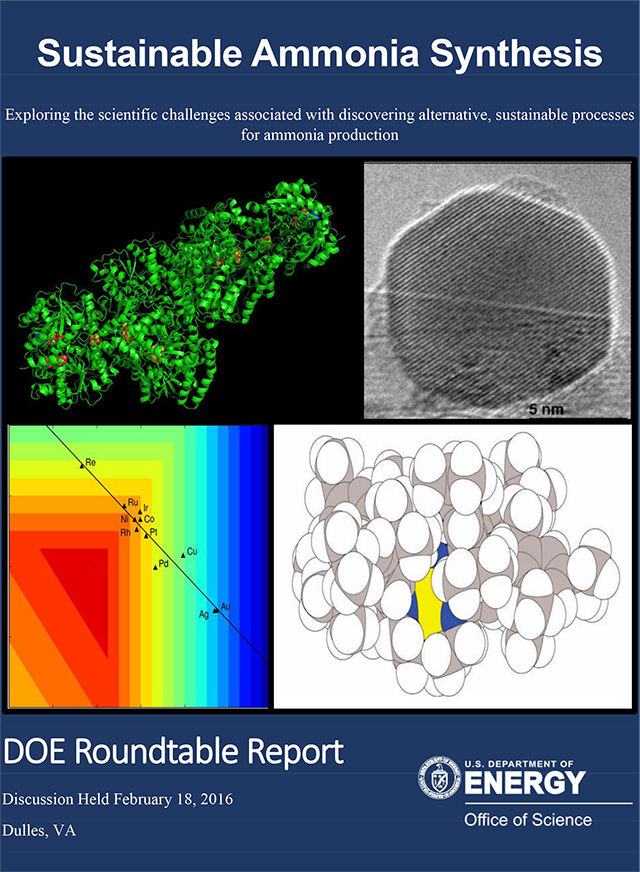
Grand Challenges in Sustainable Ammonia Synthesis - DOE Roundtable Report, 2016
Article

Earlier this year, the US Department of Energy (DOE) hosted a day-long meeting "to explore the scientific challenges associated with discovering alternative, sustainable processes for ammonia production." The report that came out of this roundtable discussion presents the participants' views on "the current state-of-the-art and the potential challenges and research opportunities ... for heterogeneous catalysis and homogeneous and enzyme catalysis."

Nuon's Power-to-Ammonia update, and the first European ammonia fuel conference in 2017
Article

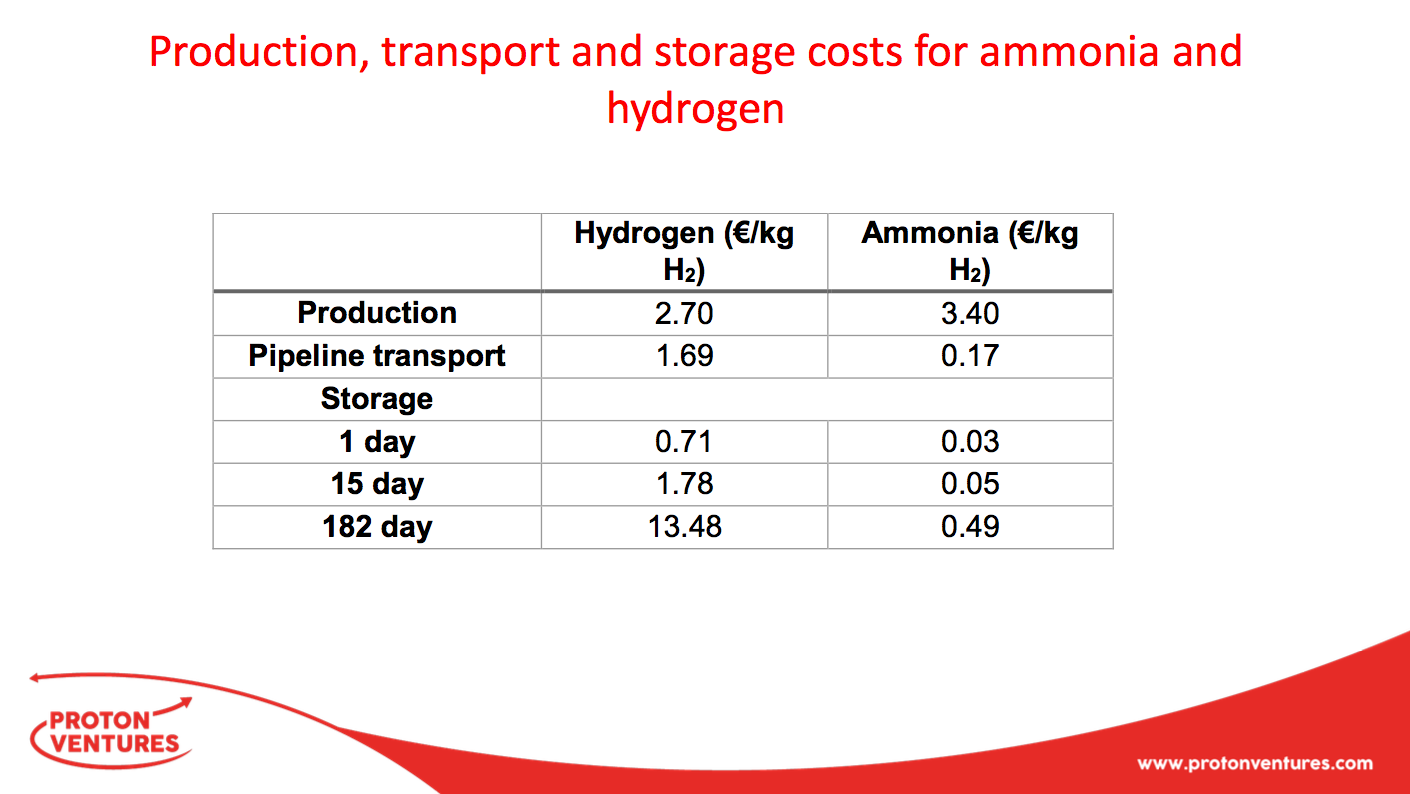
An article in the latest issue of Dutch-language magazine NPT Proces Technologie provides a detailed update on the Nuon project, about which we wrote a few months ago. Nuon's Power-to-Ammonia project looks at grid-scale storage of "seasonal surplus" electricity from wind and solar in the form of ammonia. Proton Ventures, the originators of the Power-to-Ammonia concept in The Netherlands, have also been sharing details of the project in recent conference presentations - and announced that they will be hosting the first European ammonia fuel conference, in Rotterdam, in May 2017.

Coordinated scission of N-H bonds
Article

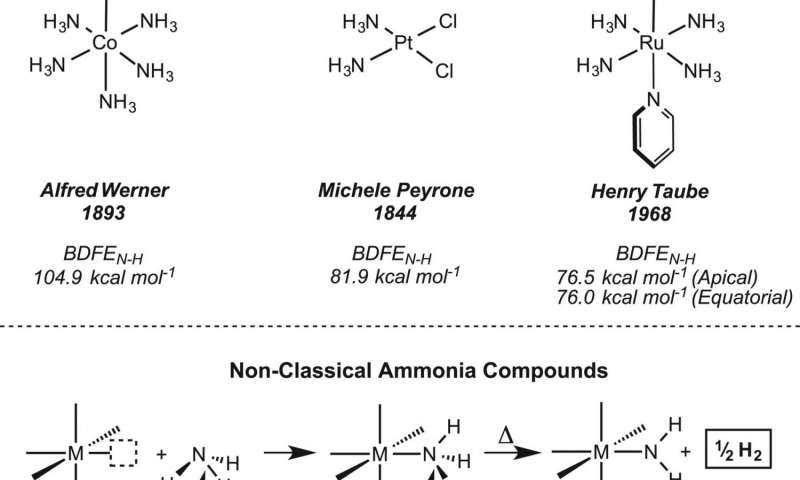
A paper published in this week's edition of Science outlines a new approach to breaking the hydrogen-nitrogen bonds in ammonia, allowing the production of hydrogen at low temperatures. This research was also reported on phys.org under the headline: "Method found for pulling hydrogen from ammonia for use as clean fuel."

Low-carbon ammonia synthesis: Japan's 'Energy Carriers'
Article

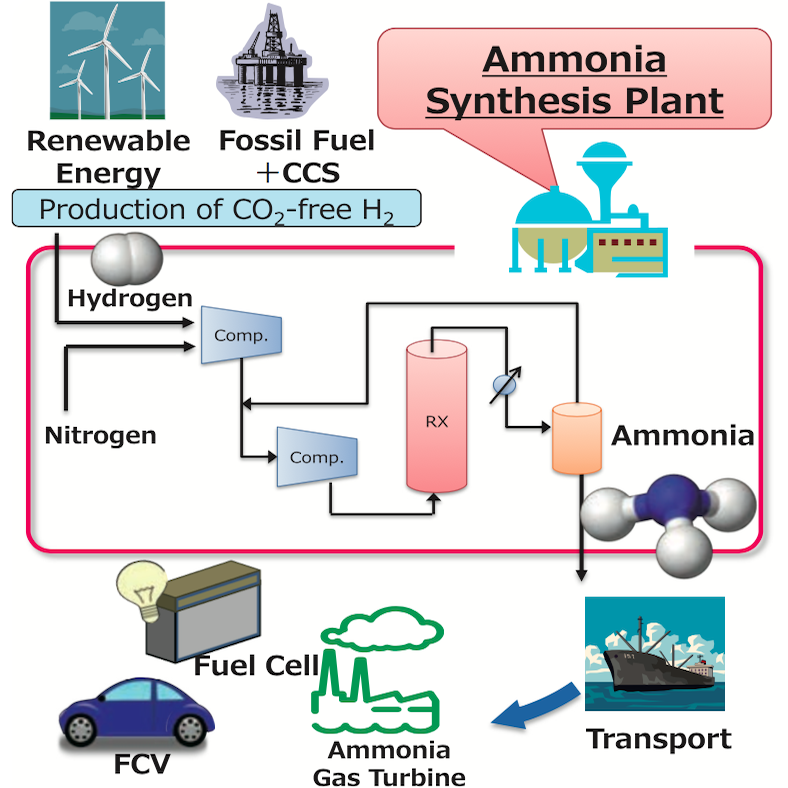
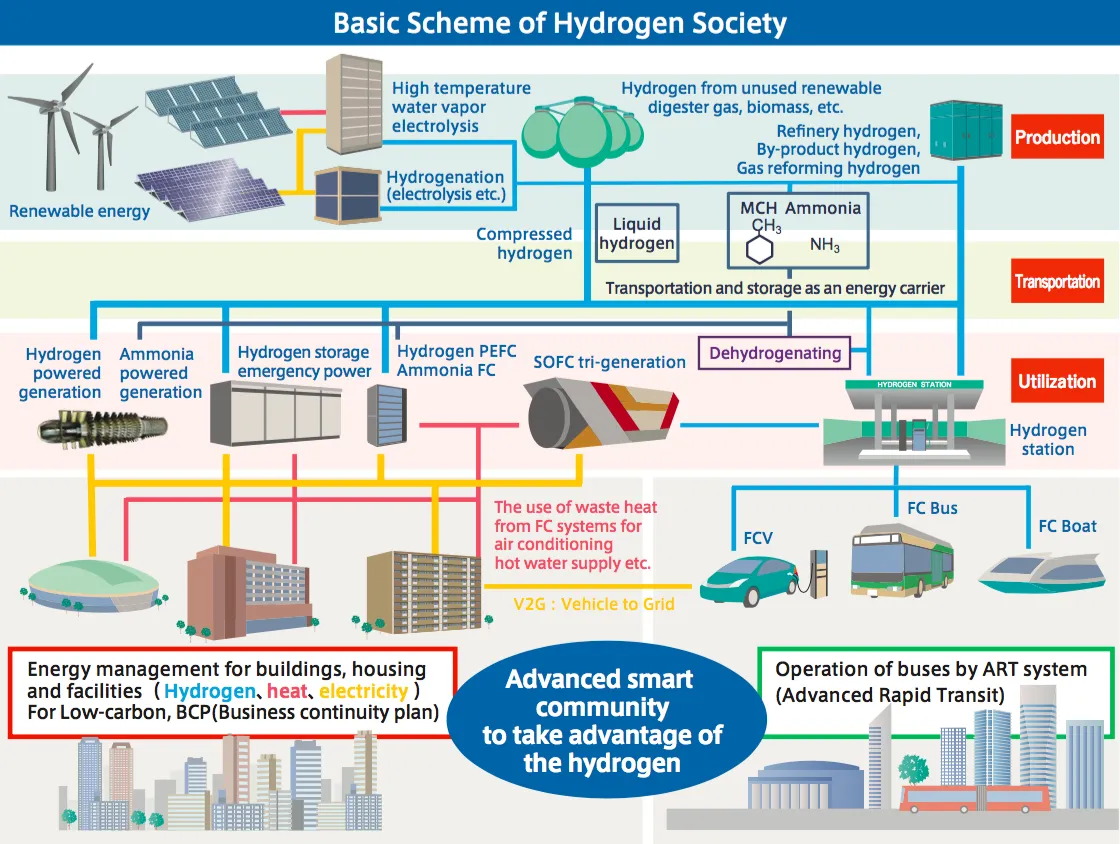
In 2018, a pilot plant in Japan will demonstrate a new way to produce ammonia at industrial-scale, with a low carbon footprint. This is part of Japan's 'Energy Carriers' R&D initiative, which aims to develop technologies to enable the nation's transition to a carbon-free hydrogen economy. The scope of the program covers ten subjects that encompass the full "CO2-free hydrogen value chain." Three of these ten programs describe a technology pathway for making low-carbon ammonia.

How to create a market for low-carbon ammonia: product labeling
Article

I wrote last week about ARPA-E's "transformative" ammonia synthesis technologies, describing three technology pathways under development: low pressure Haber-Bosch, electrochemical processes, and advanced electrolysis. ARPA-E's ambitious R&D program might imply that a meaningful, commercial market for sustainable ammonia is still decades away. It represents, however, only the slow American tip of a fast-moving global iceberg. In Japan, where there's no debate about climate science, the national effort is already well underway, with three programs to develop low-carbon ammonia synthesis under the Cross-ministerial Strategic Innovation Promotion Program (SIP), 'Energy Carriers.'

ARPA-E’s “transformative” ammonia synthesis technologies
Article

The US Department of Energy's Advanced Research Project Agency (ARPA-E) is funding projects with a view to commercializing low- and zero-carbon ammonia synthesis technologies. Grigorii Soloveichik, ARPA-E Program Director, described the aims and challenges of his agency's initiative and introduced the technologies currently in development in his keynote presentation at the recent NH3 Fuel Conference, in September 2016.

Comparative Life Cycle Assessment of NH3 as a Transportation Fuel in Ontario
Article

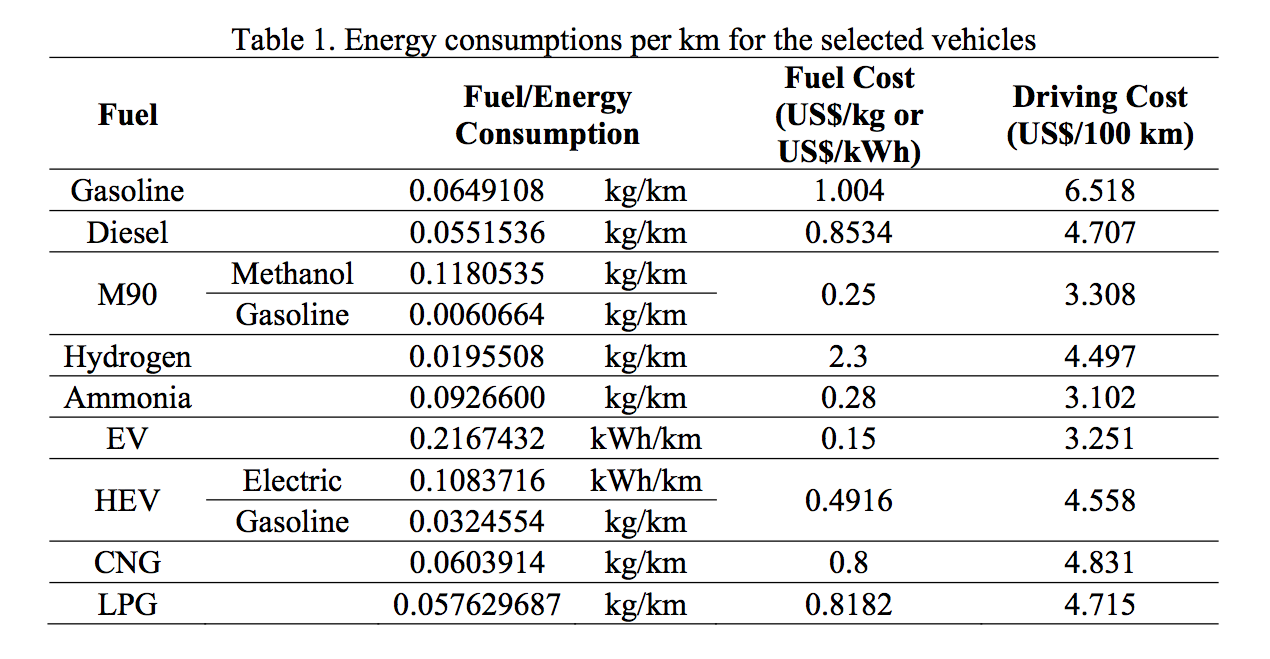
A recent paper from the University of Ontario Institute of Technology, published in June 2016, provides new data on the relative efficiency and safety of using ammonia as a transportation fuel. It presents a cradle-to-grave "comparative life cycle assessment" for a range of vehicles, encompassing the vehicle cycles (manufacturing, maintenance, and disposal) and the fuel cycle (operation).