Site items in: Content by Author Trevor Brown

Industrial demonstrations of ammonia fuel in Japan
Article

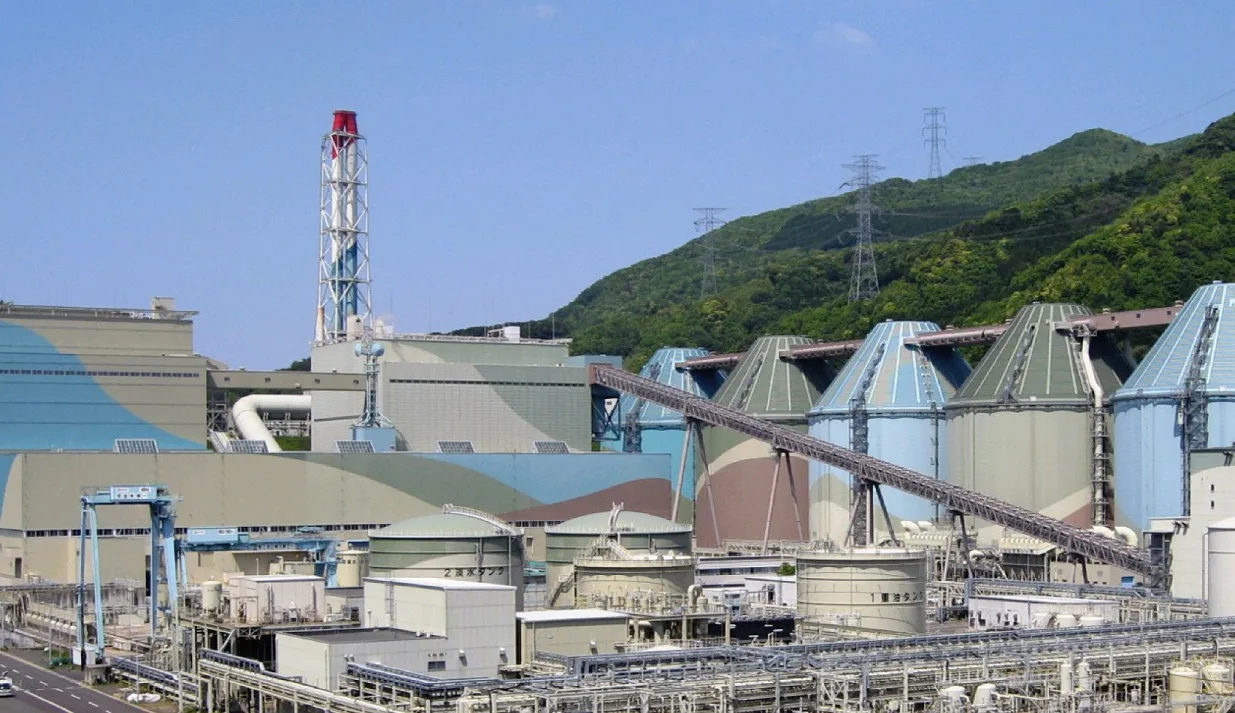
Most of the ammonia energy projects I write about are in the research and development phase but, as I've said before, technology transfer from the academic lab to commercial deployment is moving swiftly - especially in Japan. Last week, Nikkei Asian Review published two articles outlining plans by major engineering and power firms to build utility-scale demonstrations using ammonia as a fuel for electricity generation. Both projects aim to reduce the carbon intensity of the Japanese electrical grid, incrementally but significantly, by displacing a portion of the fossil fuels with ammonia. The first project will generate power using an ammonia-coal mix, while the second will combine ammonia with natural gas.
Ammonia for energy storage: economic and technical analysis
Article

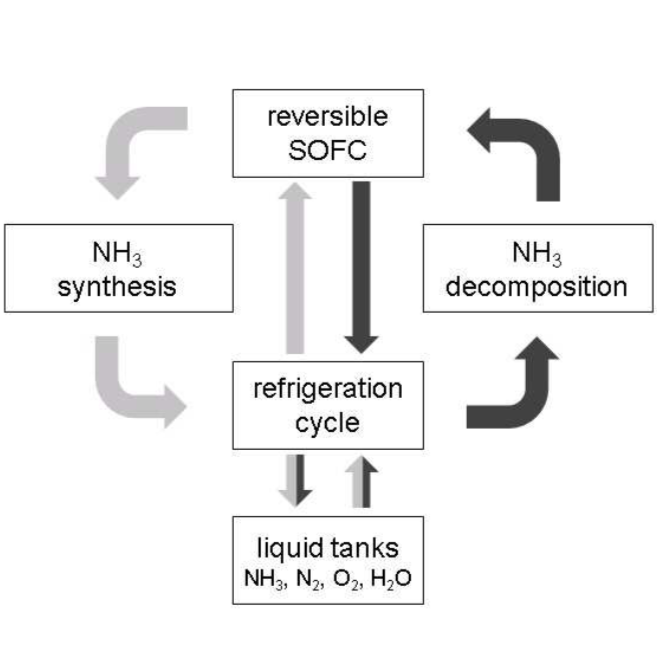
Developers around the world are looking at using ammonia as a form of energy storage, essentially turning an ammonia storage tank into a very large chemical battery. In the UK, Siemens is building an "all electric ammonia synthesis and energy storage system." In the Netherlands, Nuon is studying the feasibility of using Power-to-Ammonia "to convert high amounts of excess renewable power into ammonia, store it and burn it when renewable power supply is insufficient." While results from Siemens could be available in 2018, it might be 2021 before we see results from Nuon, whose "demonstration facility is planned to be completed in five years." But, while we wait for these real-world industrial data, the academic literature has just been updated with a significant new study on the design and performance of a grid-scale ammonia energy storage system.

On the Ground in Germany
Article

Yet another national laboratory is developing technology for renewable ammonia, this time in Germany at the DLR, the German Aerospace Center. At the Institute of Thermodynamic Engineering, the DLR is developing a method for electrochemical ammonia synthesis at ambient conditions.

International R&D on sustainable ammonia synthesis technologies
Article

Over the last few weeks, I've written extensively about sustainable ammonia synthesis projects funded by the US Department of Energy (DOE). While these projects are important, the US has no monopoly on technology development. Indeed, given the current uncertainty regarding energy policy under the Trump administration, the US may be at risk of stepping away from its assumed role as an industry leader in this area. This article introduces seven international projects, representing research coming out of eight countries spread across four continents. These projects span the breadth of next-generation ammonia synthesis research, from nanotechnology and electrocatalysis to plasmas and ionic liquids.

Comparative studies of ammonia production, combining renewable hydrogen with Haber-Bosch
Article

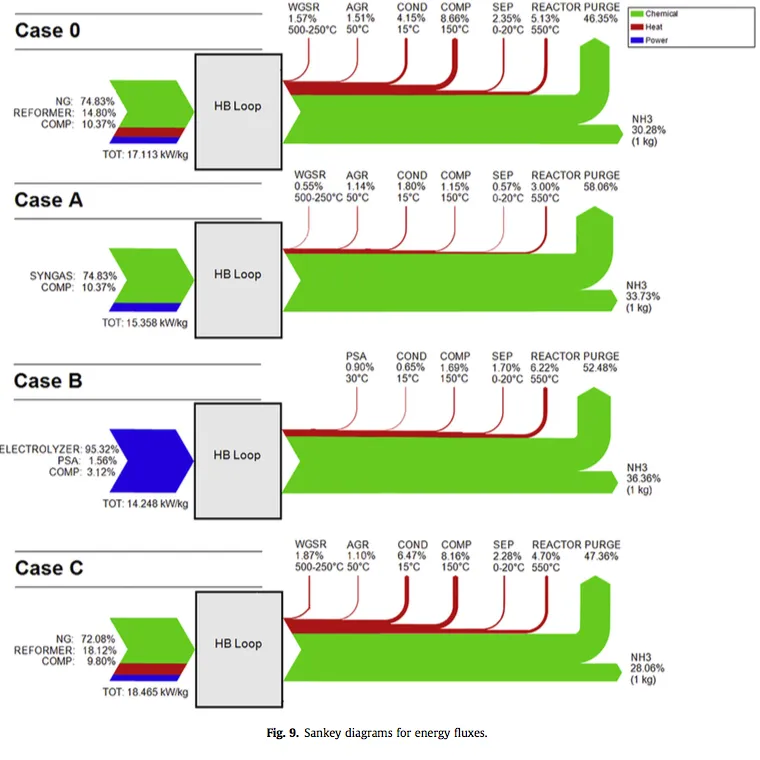
In recent months, research teams from both Canada and Italy have published comparative analyses of sustainable ammonia production pathways. These projects aim to quantify the costs and benefits of combining Haber-Bosch with a renewable hydrogen feedstock. Both projects examine the carbon intensity of ammonia production but, while the Canadian study broadens its remit to a full life cycle analysis, including global warming potential, human toxicity, and abiotic depletion, the Italian study focuses primarily on energy efficiency.

US DOE funding research into sustainable ammonia synthesis
Article

The US Department of Energy (DOE) is currently supporting six fundamental research projects that will develop "novel catalysts and mechanisms for nitrogen activation," which it hopes will lead to future sustainable ammonia synthesis technologies. These projects, announced in August 2016 and administered by the Office of Basic Energy Sciences, aim "to investigate some of the outstanding scientific questions in the synthesis of ammonia (NH3) from nitrogen (N2) using processes that do not generate greenhouse gases."

Hydrogen Council - new global initiative launched at Davos
Article

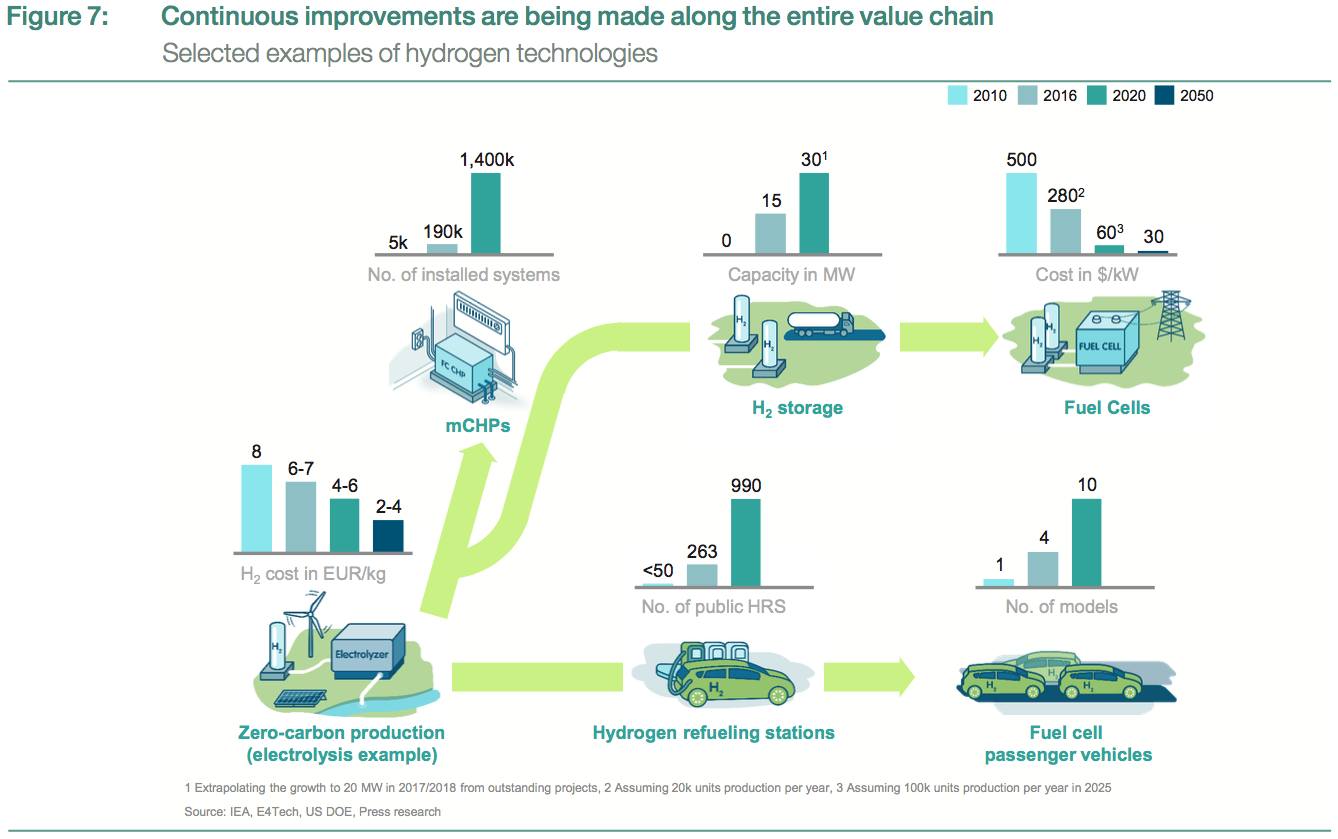
This week, at the World Economic Forum in Davos, the leaders of 13 global companies, representing more than EUR 1 trillion in annual revenues, announced the launch of the Hydrogen Council. This new global initiative is important for obvious reasons: it presents a compelling "united vision and long-term ambition" for hydrogen, it promises global engagement with "key stakeholders such as policy makers, business and hydrogen players, international agencies and civil society," and it pledges financial commitments to RD&D totaling EUR 10 billion over the next five years. It is important for a subtler reason too: it is the first hydrogen industry promotion I've seen that includes ammonia. It includes ammonia both implicitly, encompassing "hydrogen and its compounds," and explicitly, listing ammonia as a "renewable fuel" in its own right.

ARPA-E's vision for carbon neutral liquid fuels
Article

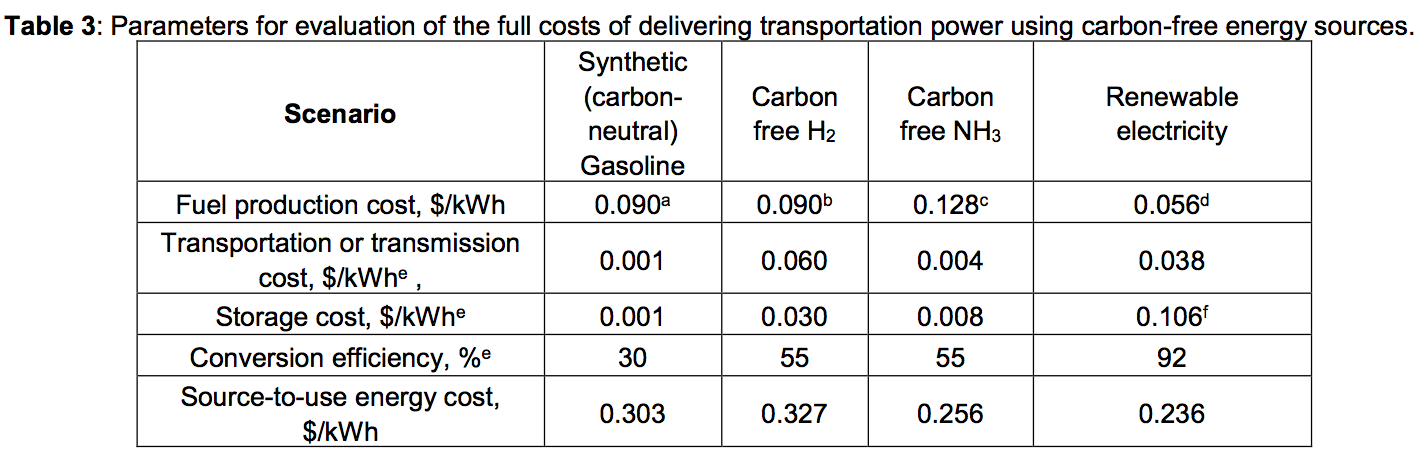
We wrote last month about the US Department of Energy funding ammonia fuel projects through ARPA-E's "REFUEL" program ("Renewable Energy to Fuels through Utilization of Energy-dense Liquids"). Although we introduced the funded projects in both the ammonia synthesis category and the ammonia fuel-use category, the REFUEL project merits further analysis as a whole because it describes a roadmap for the development of ammonia fuel systems, and identifies benchmarks for their commercial success.

Australian solar-ammonia exports to Germany
Article

I recently wrote about a vast future market for merchant ammonia: transporting carbon-free energy from Australia's deserts to Japan's electricity grid. Now, however, it is clear that Japan could face international competition for Australia's solar-ammonia resources. Jeff Connolly, CEO of Siemens Pacific, wrote last month about his ambitions for ammonia as an energy export commodity.