Site items in: Content by Author Trevor Brown

Power to Ammonia: The OCI Nitrogen - Geleen case
Article

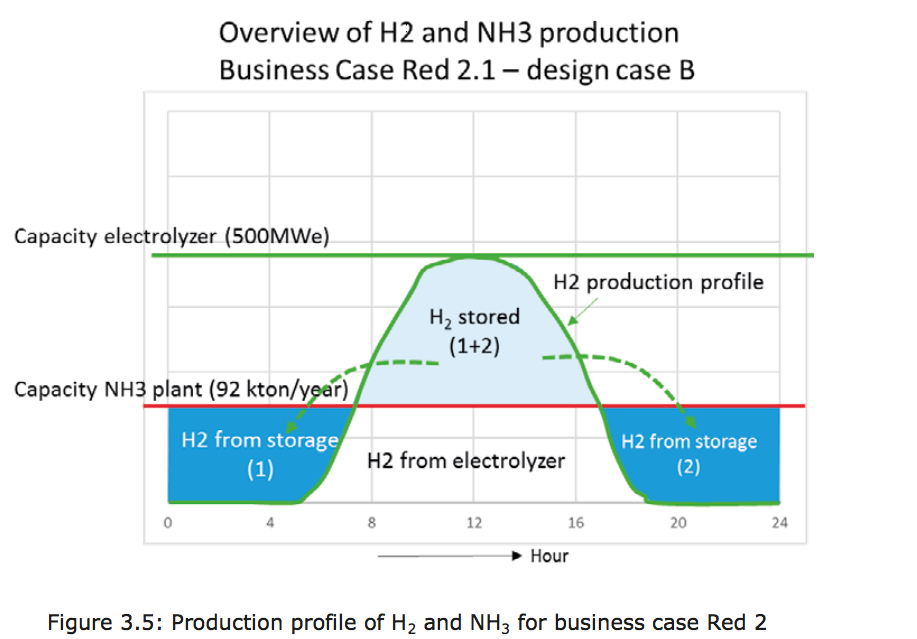
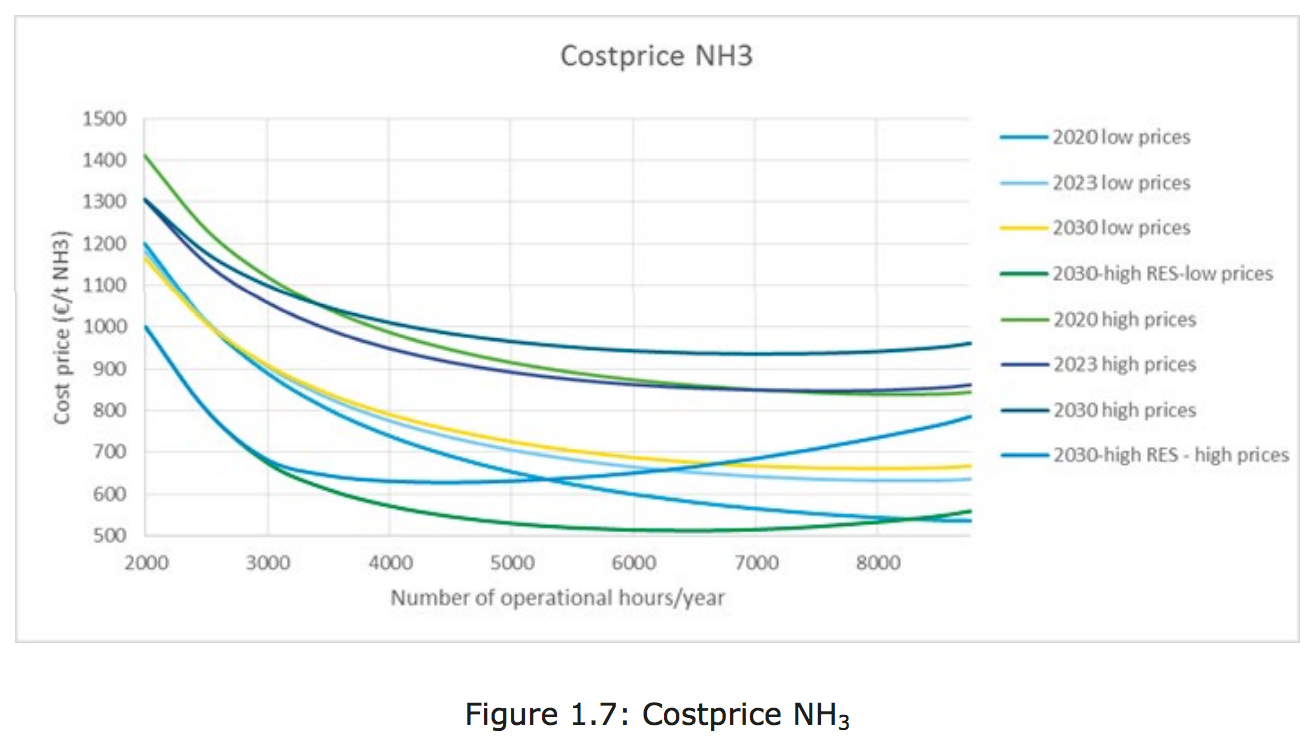
The Power-to-Ammonia feasibility study includes an assessment of the costs and benefits of producing ammonia from renewable energy at OCI Nitrogen's existing production site in Geleen. Of all the companies who joined forces in the Power-to-Ammonia project, OCI is the only ammonia producer. Its business case for making carbon-free ammonia is especially interesting therefore: not just because of the company's deep understanding of the ammonia market and available technologies, but also because it faces corporate exposure to the financial, operational, and social risks of relying upon a fossil-fueled technology in a carbon constrained future.

Power to Ammonia: The Stedin - Goeree-Overflakkee case
Article

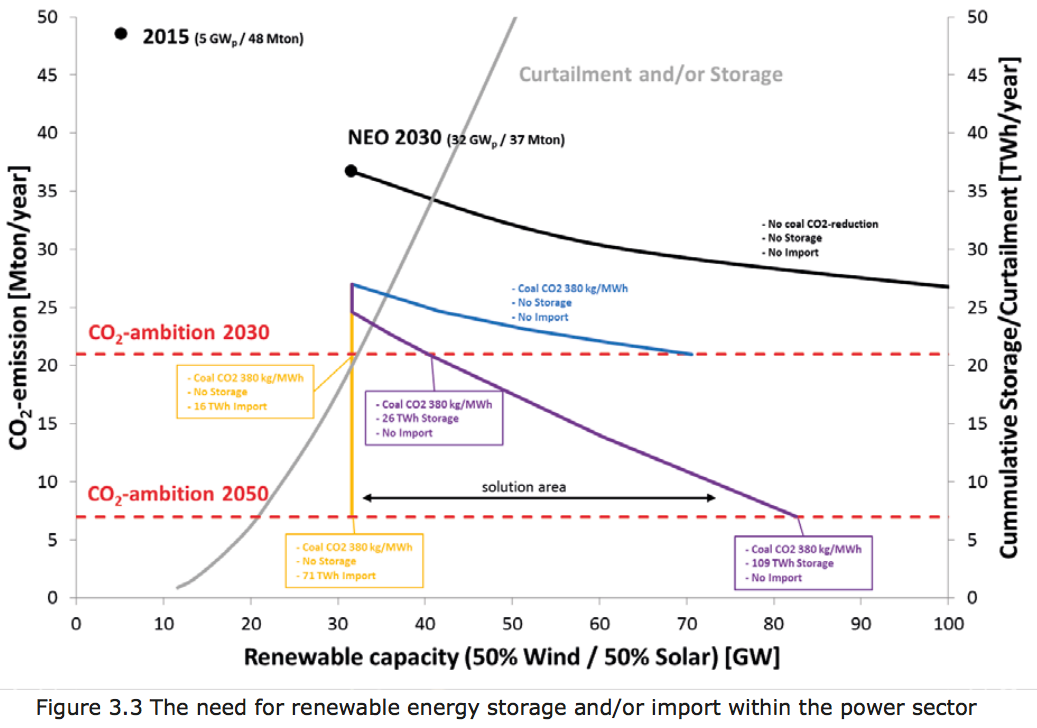
Goeree-Overflakkee, in the southwest corner of The Netherlands, already produces more renewable power than it can consume. But, by 2020, this small island will generate a full 300 MWe of solar and wind, which far "exceeds the electricity demand on the island, rated at maximum 30 MWe peak." Stedin, the local grid operator, has the expensive task of integrating these and future renewable resources into its electricity distribution system. The recent Power-to-Ammonia study included a detailed analysis of Stedin's business case for producing renewable ammonia as a way to store and transport this electricity - enabling the island to become a net exporter of clean energy.

CSIRO Membrane: Ammonia to High-Purity Hydrogen
Article

In Australia this week, CSIRO announced funding for the "final stages of development" of its metal membrane technology to produce high-purity hydrogen from ammonia. The two year research project aims to get the technology "ready for commercial deployment," with industrial partners including Toyota and Hyundai.

Power to Ammonia: the Eemshaven case
Article

The Institute for Sustainable Process Technology recently published a feasibility study, Power to Ammonia, looking at the possibility of producing and using ammonia in the renewable power sector. This project is based in The Netherlands and is led by a powerful industrial consortium. I wrote about the feasibility study last month, but it deserves closer attention because it examines three entirely separate business cases for integrating ammonia into a renewable energy economy, centered on three site-specific participants in the study: Nuon at Eemshaven, Stedin at Goeree-Overflakkee, and OCI Nitrogen at Geleen. Over the next few years, the group intends to build pilot projects to develop and demonstrate the necessary technologies. Next month, however, these projects will be an important part of the Power-to-Ammonia Conference, in Rotterdam on May 18-19. This article is the first in a series of three that aims to introduce each business case.

IEA calls for renewable hydrogen and carbon-free ammonia
Article

This week, an important new voice joined the chorus of support for renewable ammonia and its potential use as an energy vector - the International Energy Agency (IEA). In his article, Producing industrial hydrogen from renewable energy, Cédric Philibert, Senior Energy Analyst at the IEA, identifies a major problem with the hydrogen economy: hydrogen is currently made from fossil fuels. But his argument for producing hydrogen from renewable energy leads almost inevitably to ammonia: "In some not-too-distant future, ammonia could be used on its own as a carbon-free fuel or as an energy carrier to store and transport energy conveniently."

The new generation of fuel cells: fast, furious, and flexible
Article

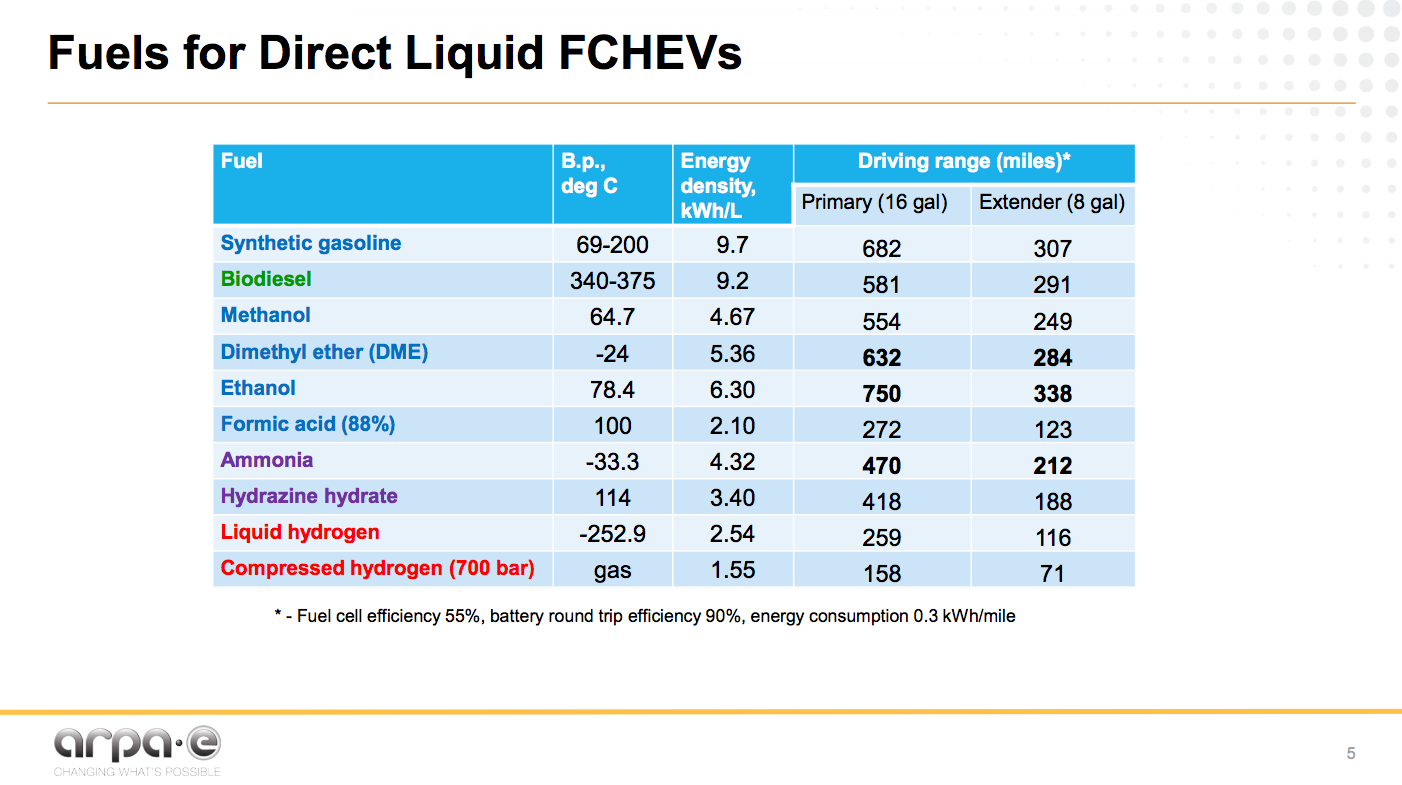
At ARPA-E's recent Energy Innovation Summit in Washington, DC, Program Director Grigorii Soloveichik presented his vision for the future of transportation: hybrid electric vehicles that combine the advantages of both plug-in battery and fuel cell technologies. This "optimal solution" will require a new generation of fuel cell that is "fast, furious, and flexible." Fast, in terms of start-up / shut-down time. Furious, in terms of energy density. And flexible, in terms of fuel choice - specifically sustainable liquid fuels, like ammonia.

Solar-Bio-GMO-Ammonia, powered by the 'Bionic Leaf'
Article

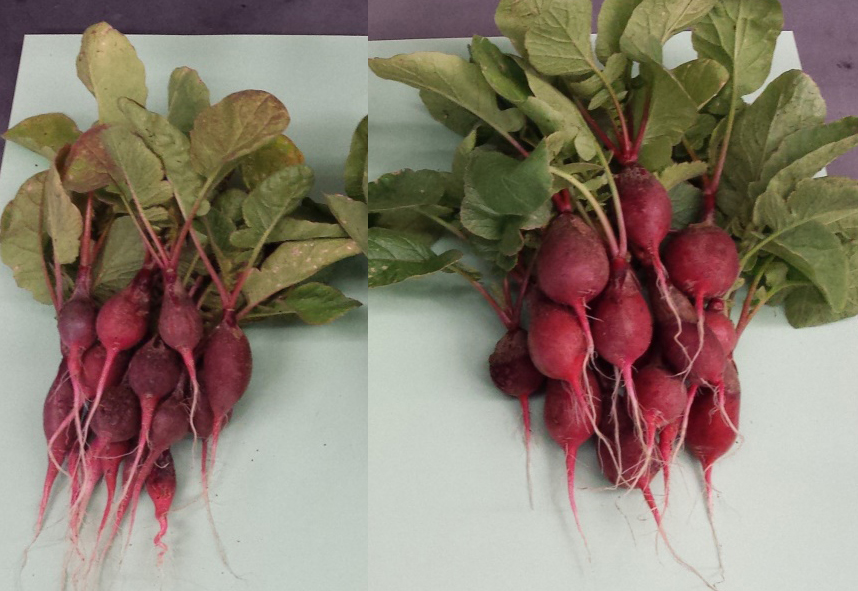
There will be many ways to make ammonia in the future and, regardless of breakthroughs in chemical catalysts and engineering design, genetically modified organisms will play an increasingly important role. At this week's American Chemical Society meeting, Daniel Nocera from Harvard University introduced his new ammonia synthesis technology. It builds on his "artificial leaf" that produces and stores hydrogen using power from sunlight. Nocera's latest innovation is to couple this system with a microbe that naturally contains nitrogenase, the enzyme that fixes atmospheric nitrogen into ammonia. The end result - a robust population of nitrogen fertilizer-emitting microbes - can be delivered to the soil simply by watering the plants.

Power to Ammonia feasibility study
Article

The Institute for Sustainable Process Technology has just published a feasibility study that represents a major step toward commercializing renewable ammonia. It examines the "value chains and business cases to produce CO2-free ammonia," analysing the potential for commercial deployment at three companies with existing sites in The Netherlands: Nuon at Eemshaven, Stedin at Goeree-Overflakkee, and OCI Nitrogen at Geleen. The project is called Power to Ammonia.

Bunker Ammonia: carbon-free liquid fuel for ships
Article

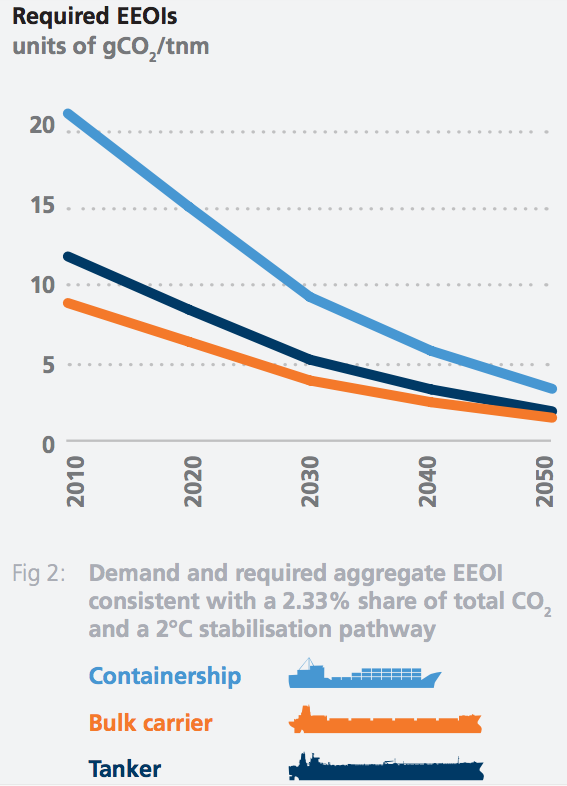
The shipping industry is beginning to evaluate ammonia as a potential "bunker fuel," a carbon-free alternative to the heavy fuel oil (HFO) used in maritime transport. International trade associations are leading the effort to decarbonize the sector, in alignment with targets set by the Paris Climate Agreement. Their immediate challenge is simple to state but hard to solve: "ambitious CO2 reduction objectives will only be achievable with alternative marine fuels which do not yet exist." In the long-term, however researchers recognize that "fuel cell-powered ships are likely to dominate, drawing their energy from fuels such as hydrogen and ammonia."