Renewable Hydrogen
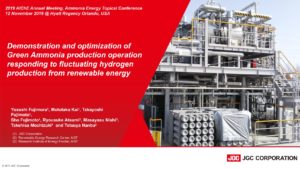
Demonstration and Optimization of Green Ammonia Production Operation Responding to Fluctuating Hydrogen Production from Renewable Energy
Ammonia’s role in a renewable energy future
Green hydrogen feed for Haber Bosch ammonia synthesis
Manufacturing ammonia from renewable energy – demonstrator and scale-up potential
Ammonia Featured in Hydrogen Europe Roadmaps Report
By definition, members of the ammonia energy community see ammonia as the preferred form of hydrogen in many applications. Until recently, this view was not shared by most members of the hydrogen energy community. Where there was awareness at all, ammonia was often seen as dangerous or irrelevant. However, since the middle years of this decade a transition has been occurring. Lack of awareness and wariness (let’s call this stage 1) is giving way to interest in and exploration of ammonia’s potential role in discrete applications (stage 2). At some point, we may arrive at a third stage. This will be characterized by the development of sustainable energy systems that have been cost-optimized with ammonia as a staple energy commodity. In this scenario, elemental hydrogen will be the supporting actor that appears only in discrete contexts. Hydrogen, Enabling a Zero Emission Europe, Technology Roadmaps, a report released in September 2018 by the advocacy group Hydrogen Europe, perfectly exemplifies the stage 2 mindset. Ammonia energy is discussed in a handful of instances as a narrow-scope expedient. To be sure, the report implies, ammonia could be a part of the solution. But it also might not pan out at all.
Power-to-Ammonia-to-Power (P2A2P) for Local Electricity Storage in 2025
ThyssenKrupp's "green hydrogen and renewable ammonia value chain"
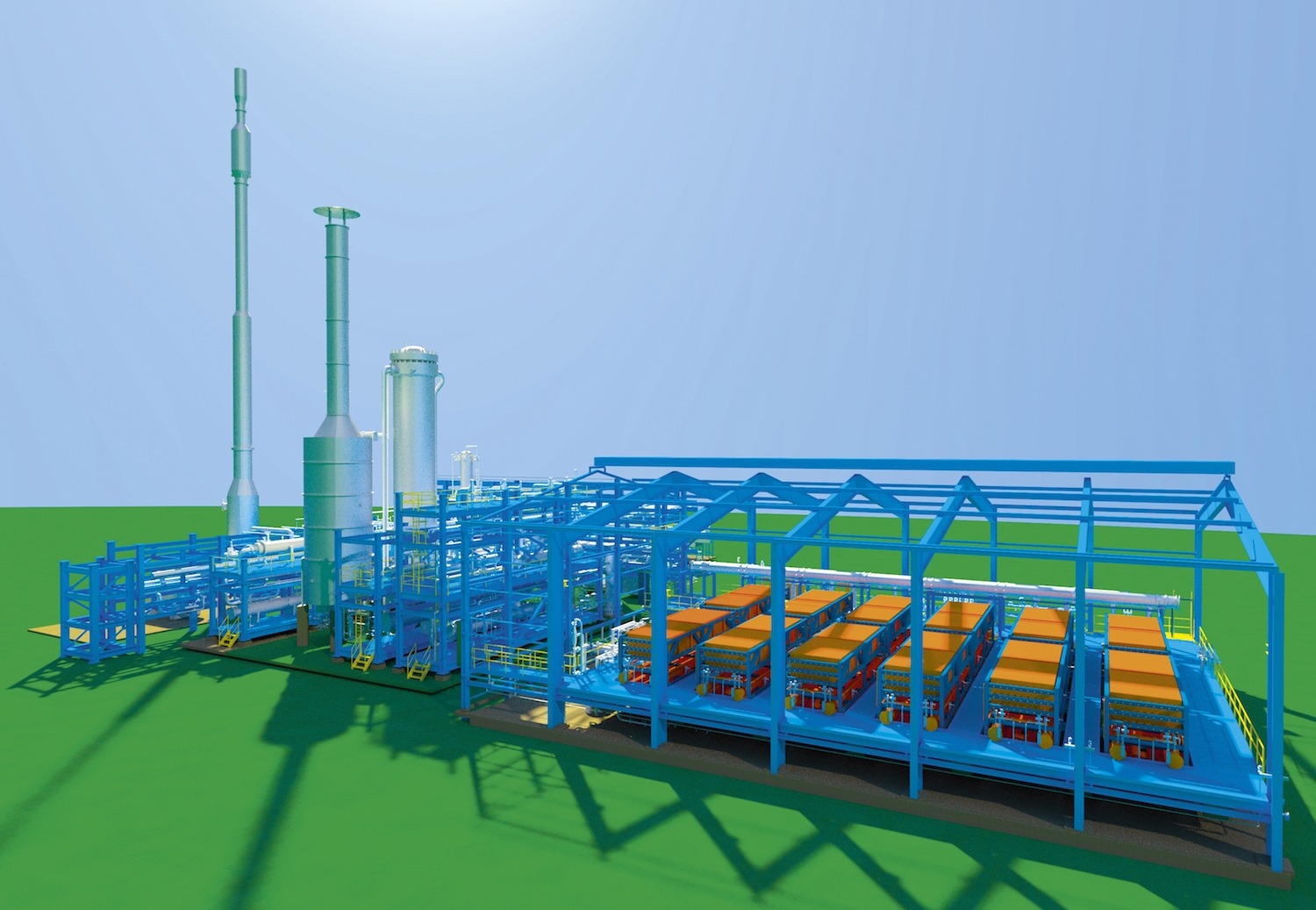
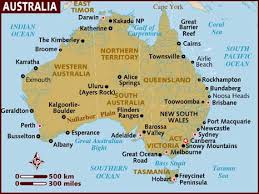
In June, ThyssenKrupp announced the launch of its technology for "advanced water electrolysis," which produces carbon-free hydrogen from renewable electricity and water. This "technology enables economical industrial-scale hydrogen plants for energy storage and the production of green chemicals." Two weeks later, in early July, ThyssenKrupp announced that it was moving forward with a demonstration plant in Port Lincoln, South Australia, which had been proposed earlier this year. This will be "one of the first ever commercial plants to produce CO2-free 'green' ammonia from intermittent renewable resources." The German conglomerate is one of the four major ammonia technology licensors, so its actions in the sustainable ammonia space are globally significant.
Toyota, 7-Eleven to Cooperate on Low-Carbon Convenience Stores
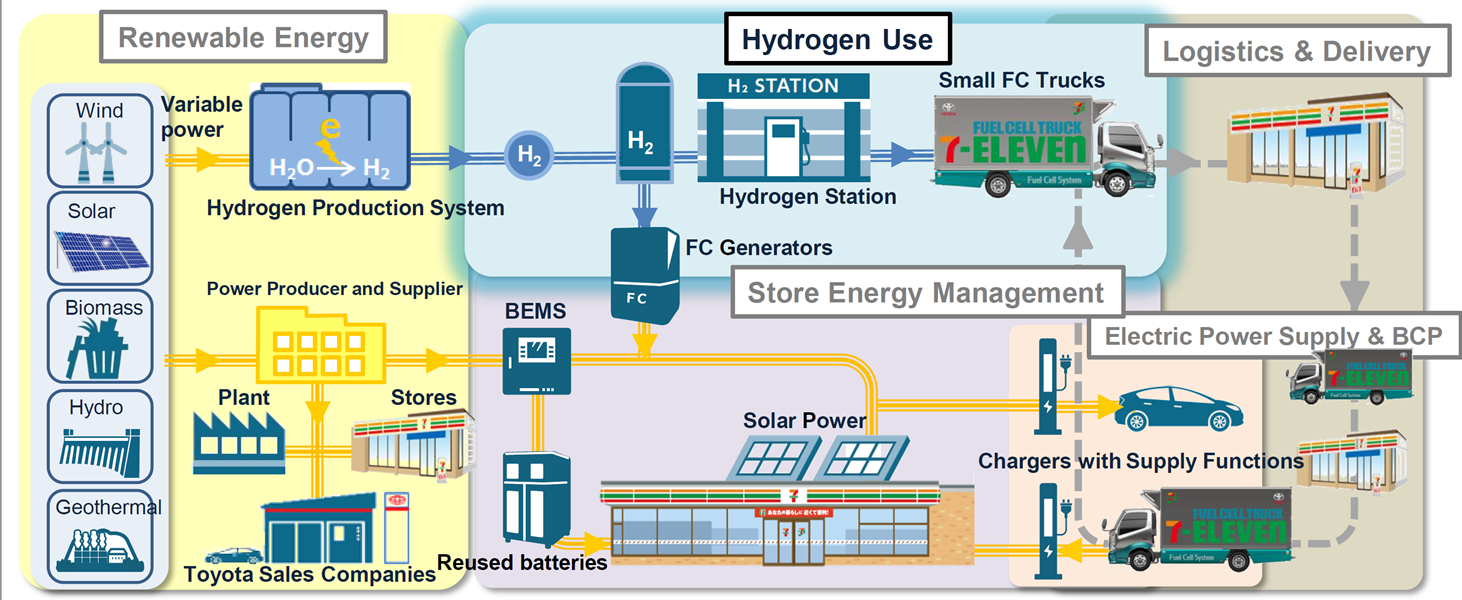
Last month, one Ammonia Energy post discussed Toyota’s participation in a Low-Carbon Hydrogen Project in its home prefecture -- including implicit support for ammonia as a hydrogen carrier. Another post discussed Japanese manufacturer IHI’s plans to commercialize a small-scale combined heat and power system (micro CHP) based on direct ammonia solid oxide fuel cell technology. Now, according to a June 6 Toyota Motor Corporation press release, Toyota and micro CHP have converged. The announcement served as the unveiling of a “joint project” by Toyota and the convenience store chain 7-Eleven to develop “next-generation convenience stores aiming to considerably reduce CO2 emissions.” The two companies initially agreed to cooperate in August 2017 on "considerations toward energy conservation and carbon dioxide emission reduction in store distribution and operation.”
Australia's Woodside Petroleum Considers Ammonia as a Hydrogen Carrier
At last week’s Australian Petroleum Production and Exploration Association Conference, Woodside Petroleum’s chief executive officer Peter Coleman spoke about the “huge” opportunity in hydrogen energy that will develop for the company over the next 10-15 years. Coleman sees the Japanese market for hydrogen as a promising destination for Woodside’s substantial reserves of natural gas, and indicated the company is evaluating alternative methods of hydrogen transport including as liquid H2, a liquid organic hydride, and ammonia.