Maritime Fuel
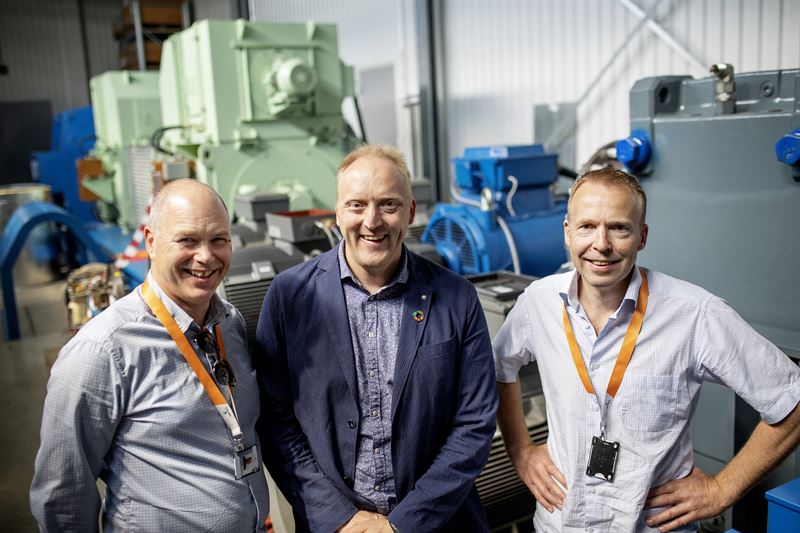
A marine fuel standard for Ammonia - an engine designers perspective
US Senators Show Strong Interest in Ammonia-Fueled Shipping
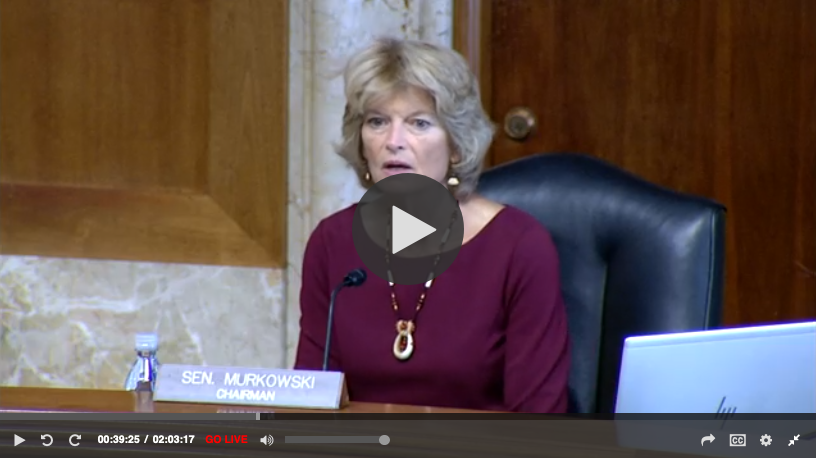
The Senate Energy and Natural Resources Committee, led by Chairman Lisa Murkowski (R-Alaska) and Ranking Member Joe Manchin (D-West Virginia), recently hosted a hearing on offshore energy technologies. I was invited to testify on technology and policy options for eliminating greenhouse gas emissions from the marine shipping sector, and I used the opportunity to spotlight ammonia's central role in that effort.
Picking bunker winners: the mono-fuel / dual-fuel duel
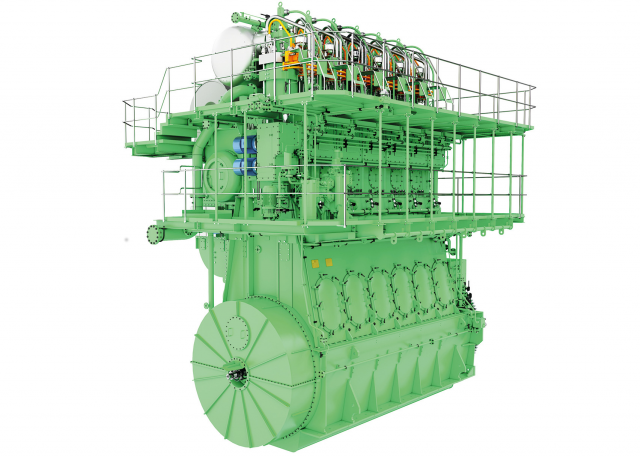
This week, DNV GL published its annual Maritime Forecast to 2050, concluding that “e-ammonia, blue ammonia and bio-methanol are the most promising carbon-neutral fuels in the long run.” DNV GL’s assumptions that determine this long run, however, suggest a significant mid-term reliance on fossil LNG. This risks locking the industry into a long-term emissions trajectory incompatible with the IMO’s 2050 GHG targets, in part because of significant fuel supply and infrastructure investments. These investments could become more ‘sticky’ than expected. A host of alternative opinions have been published in the days before and after DNV GL published its report. These suggest that, for ammonia, the long run could begin this decade. Among others, MAN ES has announced that its ammonia engine will be available for retrofits by 2025.
Japan's NYK and partners to develop ammonia fueled and fueling vessels
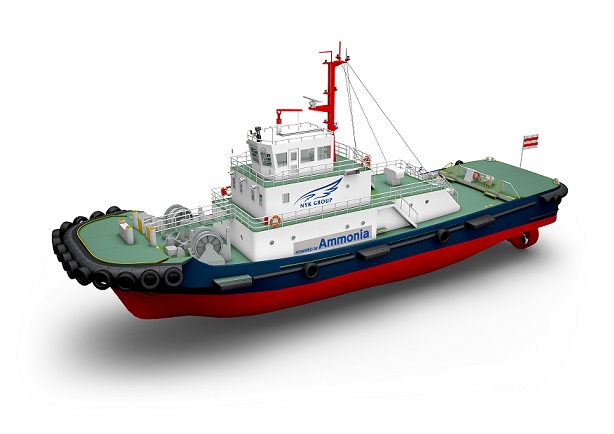
In recent weeks, the Japanese shipping company NYK Line has announced a series of high-profile research and development collaborations that aim to establish ammonia fueled vessels and fuel supply. Its partners in these projects include classification society Class NK, engine manufacturer IHI Power Systems, and shipbuilder Japan Marine United Corporation. Three vessel types have been announced, so far, including an ammonia-fueled ammonia gas carrier, an ammonia barge for offshore bunkering, and an ammonia-fueled tugboat (for navigating the barge). Pushing beyond the initial research phase, these collaborations aim for commercialization and to put these vessels “into practical use.”
Ammonia as a future marine fuel - bunkering safety and potential issues
How to get approval of an ammonia fuelled vessel
Haldor Topsøe and Partners Issue Ammonfuel Report
Earlier this month Haldor Topsoe and four partners issued Ammonfuel - an industrial view of ammonia as marine fuel. According to the accompanying press release, the 59-page report provides “a comprehensive and up-to-date overview of the applicability, scalability, cost, and sustainability of ammonia as a marine fuel.” The partners include Vestas, Siemens Gamesa, Hafnia, and Alfa Laval.
Wärtsilä, Repsol, and Knutsen to test ammonia four-stroke engine
This week, engine manufacturer Wärtsilä announced “the world’s first long term, full-scale, testing of ammonia as a fuel in a marine four-stroke combustion engine.” The project will begin in the first quarter of 2021, at the Sustainable Energy Catapult Centre’s testing facilities at Stord, Norway. It is supported by a NOK 20 million (USD 2 million) grant from the Norwegian Research Council.
Maersk and partners launch Center for Zero Carbon Shipping
This morning, the Mærsk Mc-Kinney Møller Center for Zero Carbon Shipping was announced. Launched with a “start-up donation” of DKK 400 million (USD 60 million) from the A.P. Møller Foundation, this new research institute intends “to develop new fuel types and technologies,” to decarbonize the maritime sector. Behind the Center for Zero Carbon Shipping is a significant industrial consortium with seven founding members (actively seeking additional partners): ABS, A.P. Moller – Maersk, Cargill, MAN Energy Solutions, Mitsubishi Heavy Industries, NYK Lines, and Siemens Energy.