Site items in: Maritime Fuel

Ammonia-ready vessels: new contracts & deliveries in China
Article

This week we explore a trio of announcements out of China:

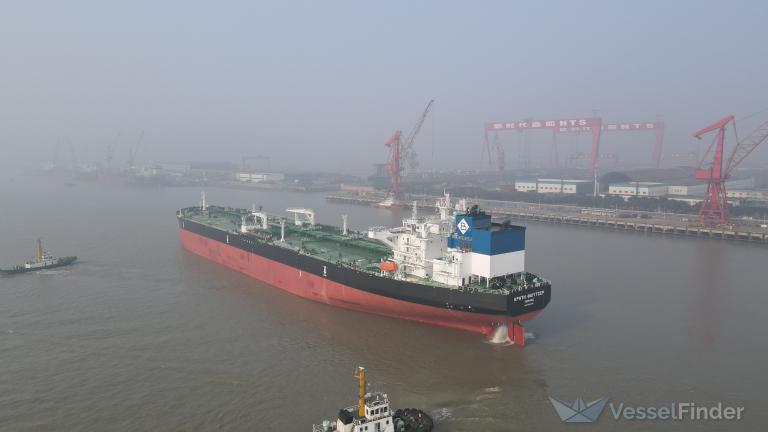
1. The ammonia-ready vessel Kriti Future has been delivered to owners Avin International.

2. Höegh Autoliners has contracted China Merchants Heavy Industry to build at least four of their new ammonia-ready vessel design: the Aurora-class car carrier. The new builds will meet requirements for DNV GL's methanol and ammonia-ready notation guides.

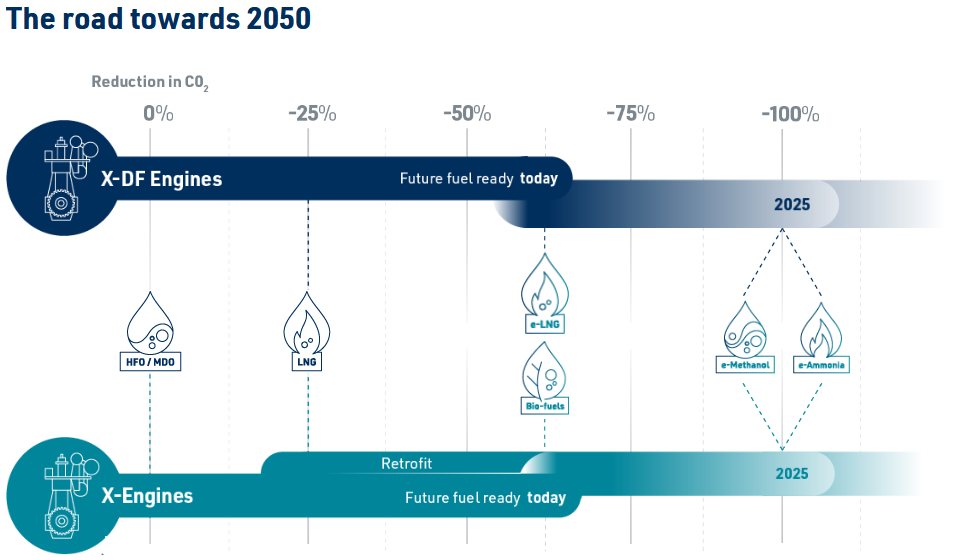
3. And Swiss-based shipping giant MSC has placed an order for six ammonia-ready container ships from Dalian Shipbuilding in China. The vessels will be powered by WinGD dual-fuel engines, for which retrofits will be available by 2024/5 to run on methanol and ammonia.
600 tonnes per day green ammonia in Norway
Article

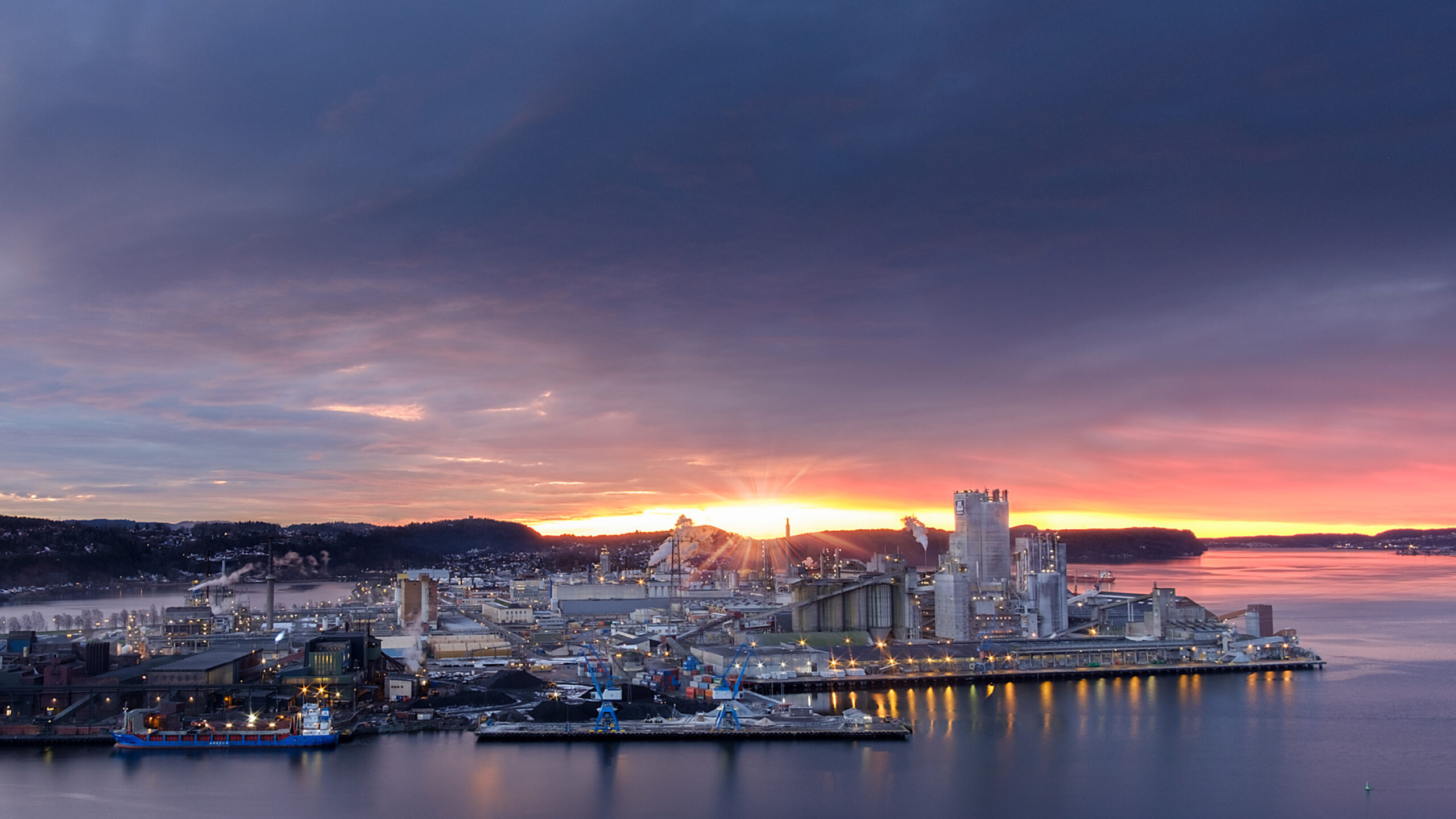
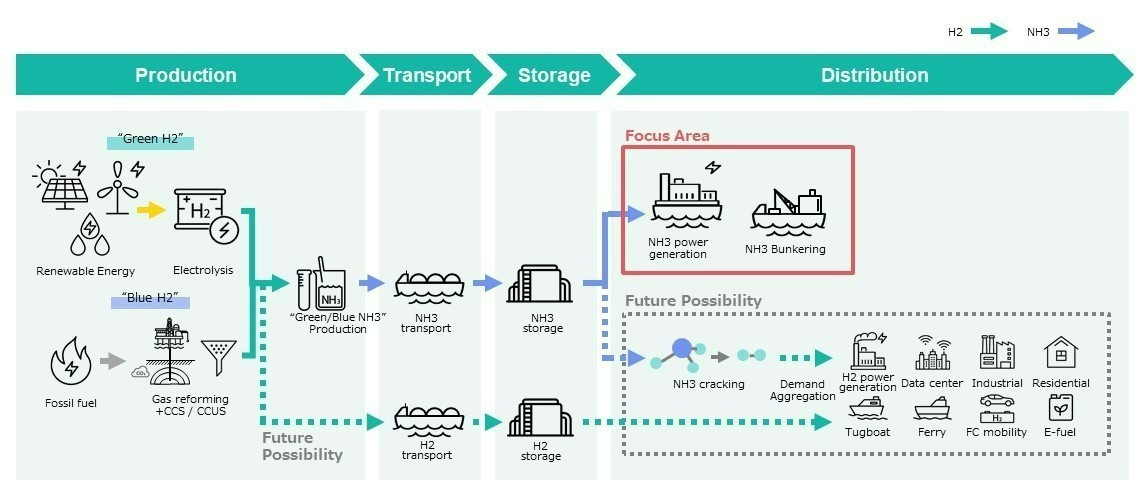
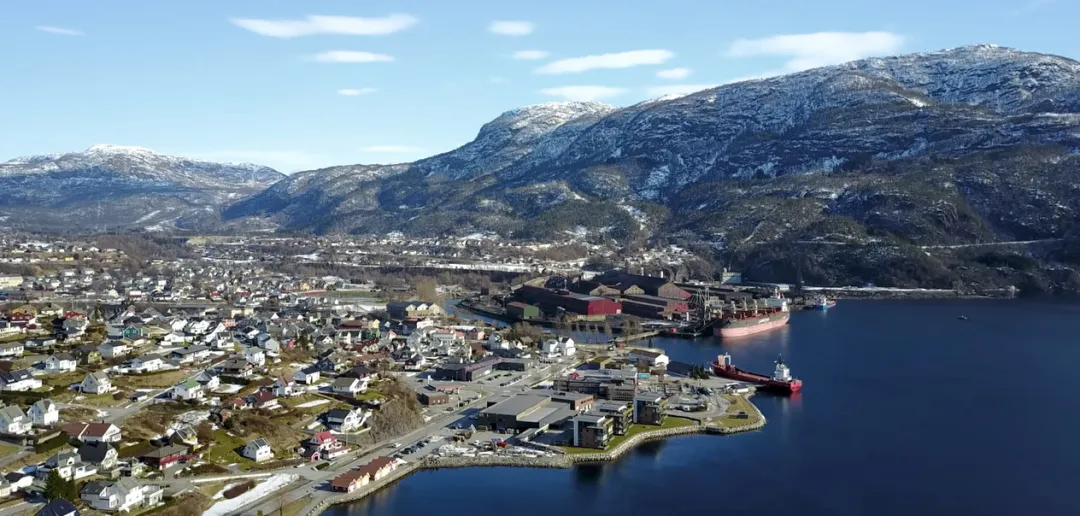
The new project will be built in Sauda on Norway's southwestern coast and owned by Hy2gen, Trafigura and Copenhagen Infrastructure Partners. Hy2gen is already developing a similar hydro-ammonia project in Quebec. The plant at Sauda - dubbed the Iverson eFuels project - will feature 240 MW of electrolyser capacity, producing 600 tonnes per day (or more than 200,000 tonnes per year) green ammonia via renewable electricity. Similar to the Quebec project, the partners indicate the produced green ammonia is destined for use as maritime fuel.

New ammonia-powered vessels: Newcastlemax & Panamax class
Article

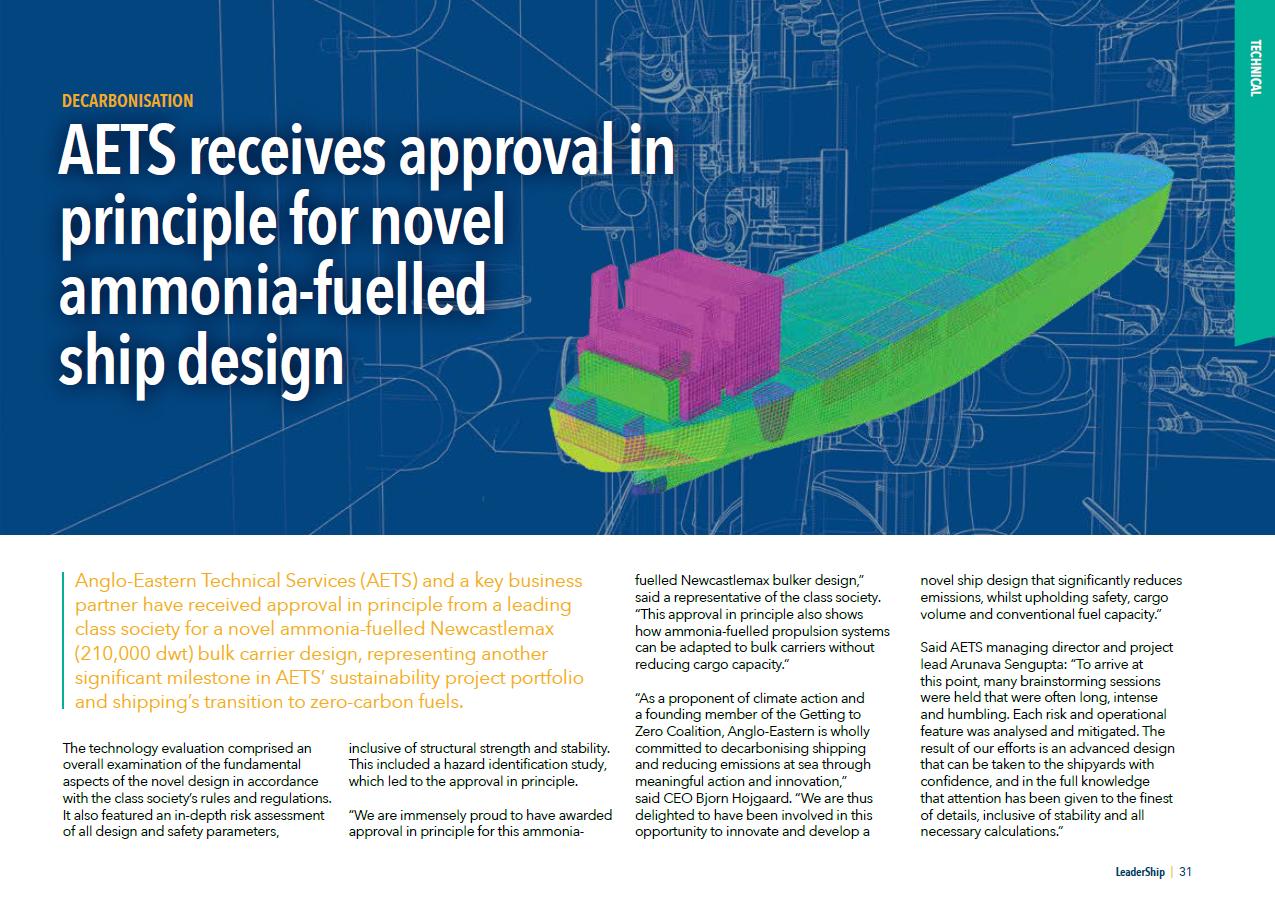
Rio Tinto and AngloEastern have announced they will develop Newcastlemax class, ammonia-powered bulk carriers. The dry cargo vessels will be the maximum size allowed to dock in the Port of Newcastle, Australia: an important coal & iron ore port in global maritime trade. Both AngloEastern and Rio Tinto are members of an Itochu-led maritime fuel study investigating the use of ammonia. In Japan, a "greener ships" consortium has produced its first-ever ammonia-powered design: a Panamax-class bulk carrier. And the China State Shipbuilding Corporation will develop two 93,000 m3 ammonia-powered ammonia carrier vessels, with Bureau Veritas granting AiP for the vessel design.

Sembcorp Marine granted AiP for ammonia bunkering vessel
Article

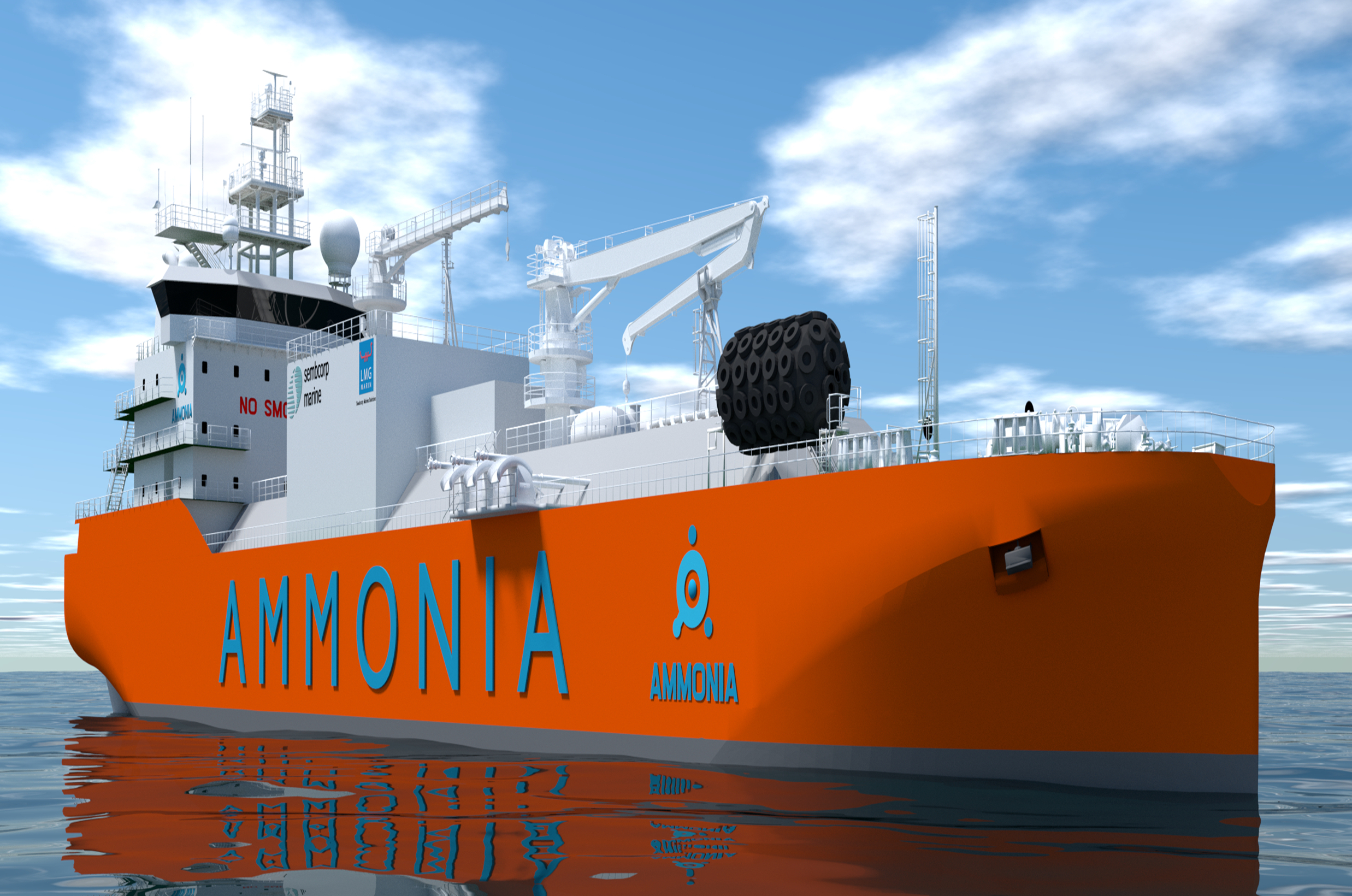
A consortium led by Sembcorp Marine has been granted AiP by the American Bureau of Shipping for a new ammonia bunkering vessel design. Sembcorp and its subsidiary LMG Marin (who was recently engaged by Grieg Maritime and Wartsila to design the MS Green Ammonia) were responsible for the design phase, which passed a rigorous HAZID assessment with support from the American Bureau of Shipping. Consortium partners also include Mitsui O.S.K. Lines and Itochu, two organisations with growing ammonia interests in Singapore. The new announcement is one of a number of ammonia & ammonia-ready bunkering designs in progress, with Korean Register, Oceania, Kanfer, Azane Fuel Solutions and the Korean Green Ammonia Shipping/Bunkering Consortium all at various stages of progress with their designs.

Enova funding for three ammonia players: Yara, Horisont & Viridis
Article

Enova - Norway's government-owned, clean energy investment enterprise - announced funding to support some key ammonia energy projects currently in progress:

1. New Funding guarantees a final investment decision for the pilot phase of electrifying Yara's Herøya (Porsgrunn) ammonia plant.

2. Horisont Energi's Barents Blue project will now participate in the Important Projects of Common European Interest (IPCEI) Hydrogen scheme.

3. And Viridis Bulk Carriers will receive a to-be-determined amount from to develop the first ammonia-powered cargo short sea bulk vessel in its future north European fleet.

Approval in Principle from Korean Register for two ammonia-fueled vessels
Article

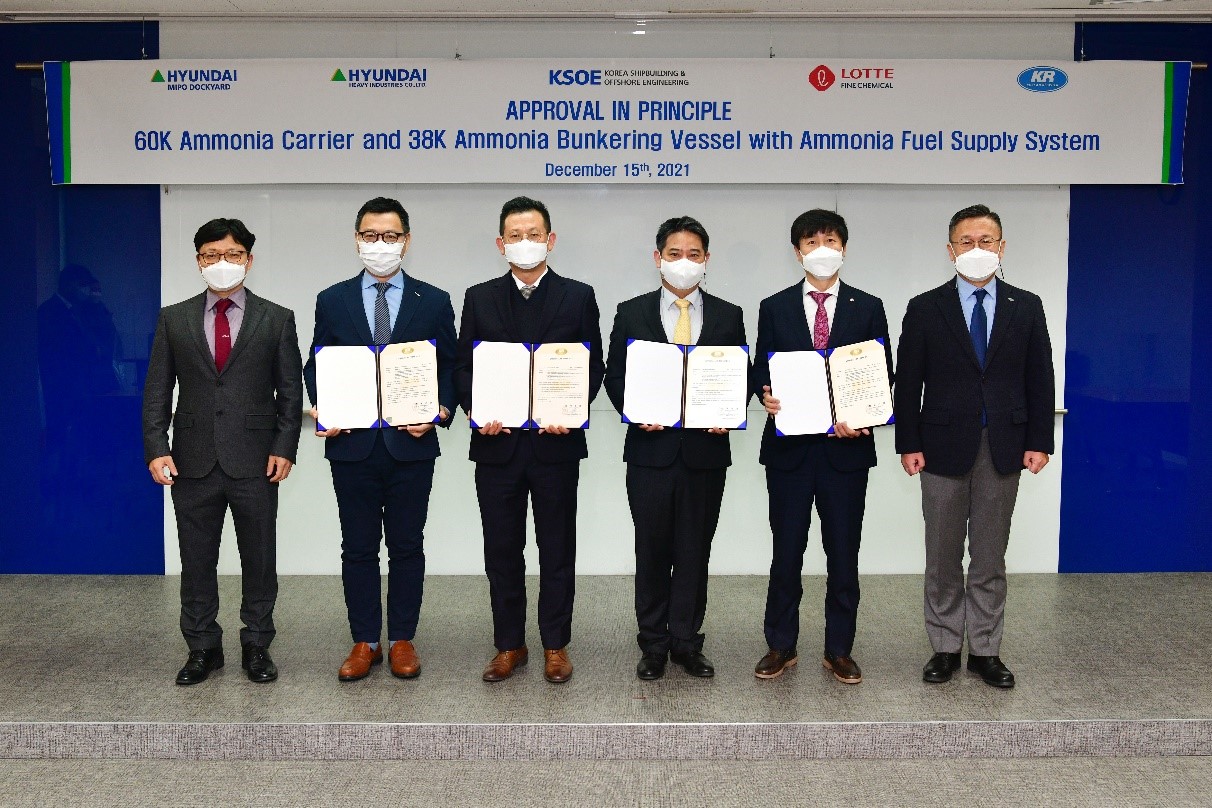
Korean Register has granted AiP for two more ammonia-fueled vessel designs: a 60,000 m3 carrier and a 38,000 m3 ammonia transport/bunkering vessel. Both designs were developed by Korea Shipbuilding & Offshore Engineering, with assistance from Hyundai Heavy Industries. Importantly, the new AiPs mark the first milestone achievement for the 'Green Ammonia Shipping/Bunkering Consortium', which was launched in May 2021 with the explicit purpose of developing ammonia-fueled ship designs for approval by Korean Register.

Sumitomo looks to ammonia-fueled shipping & bunker fuels
Article

Sumitomo and Oshima Shipbuilding will jointly design & develop an 80,000 m3, ammonia-fueled dry bulk carrier, to hit the water by 2025. In a separate agreement, Sumitomo and Keppel O&M will work together to implement ammonia fuel bunkering in Singapore, with the aim to begin commercial operations in the mid-2020s. Development of a bunkering vessel and a full ammonia value chain (including offshore power generation) is central to the Keppell partnership.

Ammonia combustion analysis: powertrains, turbines & power generation
Article

This week we explore four updates in ammonia combustion R&D:

1. A team from the University of Cambridge has shown merchant vessels are the strongest candidates for conversion to run on ammonia powertrains, with cargo capacity losses of 4-9% able to be feasibly offset by operators.

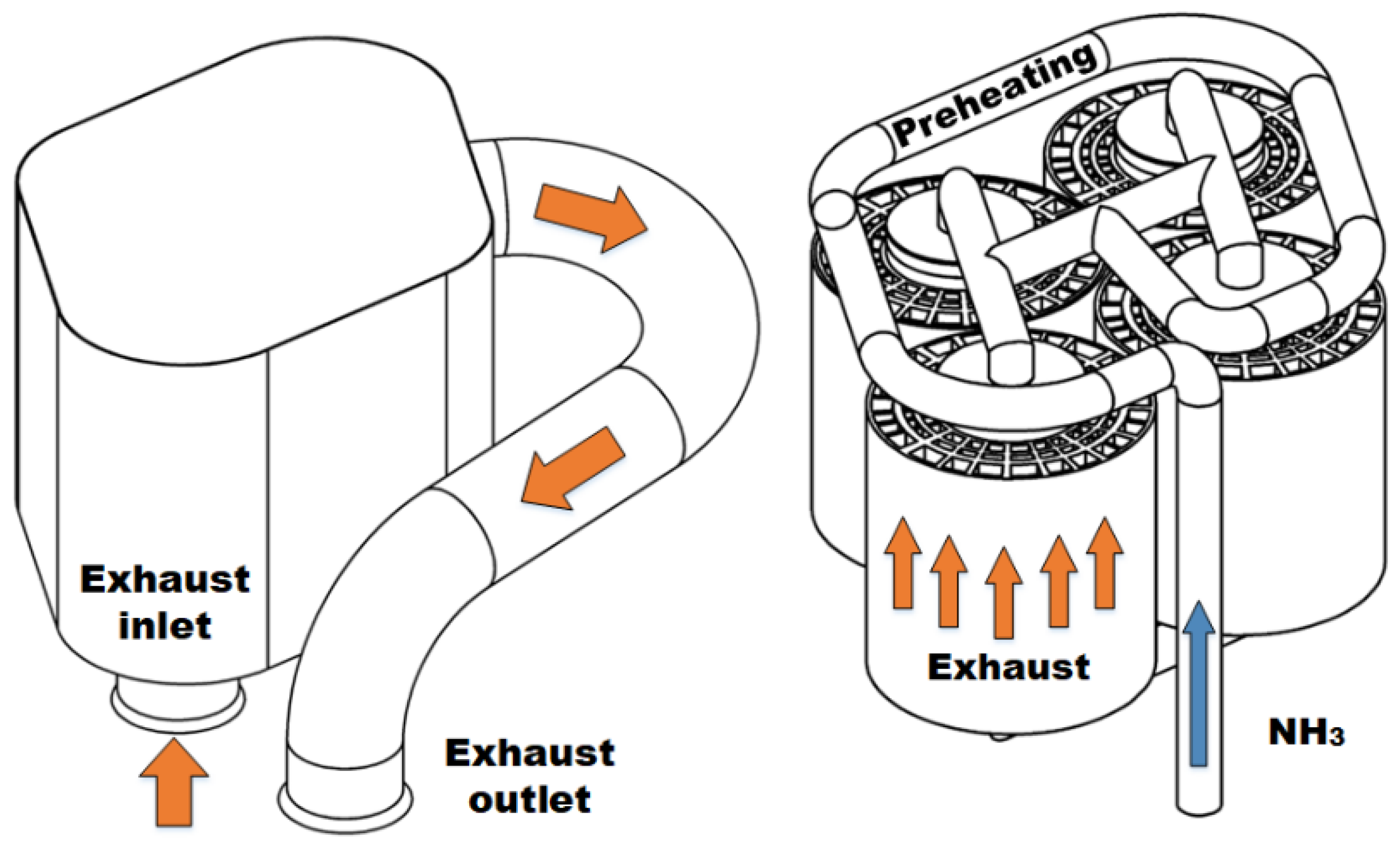
2. Researchers at the University of Minnesota have successfully tested a thermochemical recuperation (TCR) reactor to improve the efficiency of a dual-fuel, diesel-ammonia compression ignition engine by minimising ammonia slip.

3. A global team led by Cardiff University researchers has revealed some of the inner workings of ammonia combustion in gas turbine flames.

4. A global team has produced a cradle-to-gate environmental assessment for ammonia production and ammonia-based electricity generation, suggesting that renewable and nuclear ammonia have a significant role to play in decarbonising the power sector.

WinGD to develop ammonia maritime engines by 2025
Article

Swiss-based engine developer WinGD has announced that its current portfolio of low-speed maritime engines will be ready to operate on methanol and ammonia by 2024 and 2025 respectively. Although WinGD's diesel-fueled X Engine series will require retrofits, the X-DF Engine series is already designed to run on biogas and will not require major modifications to run on methanol or ammonia.