Webinar
Singapore's ammonia bunkering safety study
Meet the Global Centre for Maritime Decarbonisation and DNV, two partners in an ammonia bunkering study that will pave the way forward for the deployment of ammonia bunker fuel in Singapore.
Meet the Global Centre for Maritime Decarbonisation and DNV, two partners in an ammonia bunkering study that will pave the way forward for the deployment of ammonia bunker fuel in Singapore.
Yara Clean Ammonia, together with NCE Maritime CleanTech and with analysis support from DNV, have delivered a volume analysis and roadmap for the use of renewable ammonia in the Norwegian domestic shipping sector. With the right policy levers in place, renewable ammonia can meet and reach beyond the 2030 decarbonisation targets for the Norwegian domestic fleet, reducing emissions by as much as 69%.
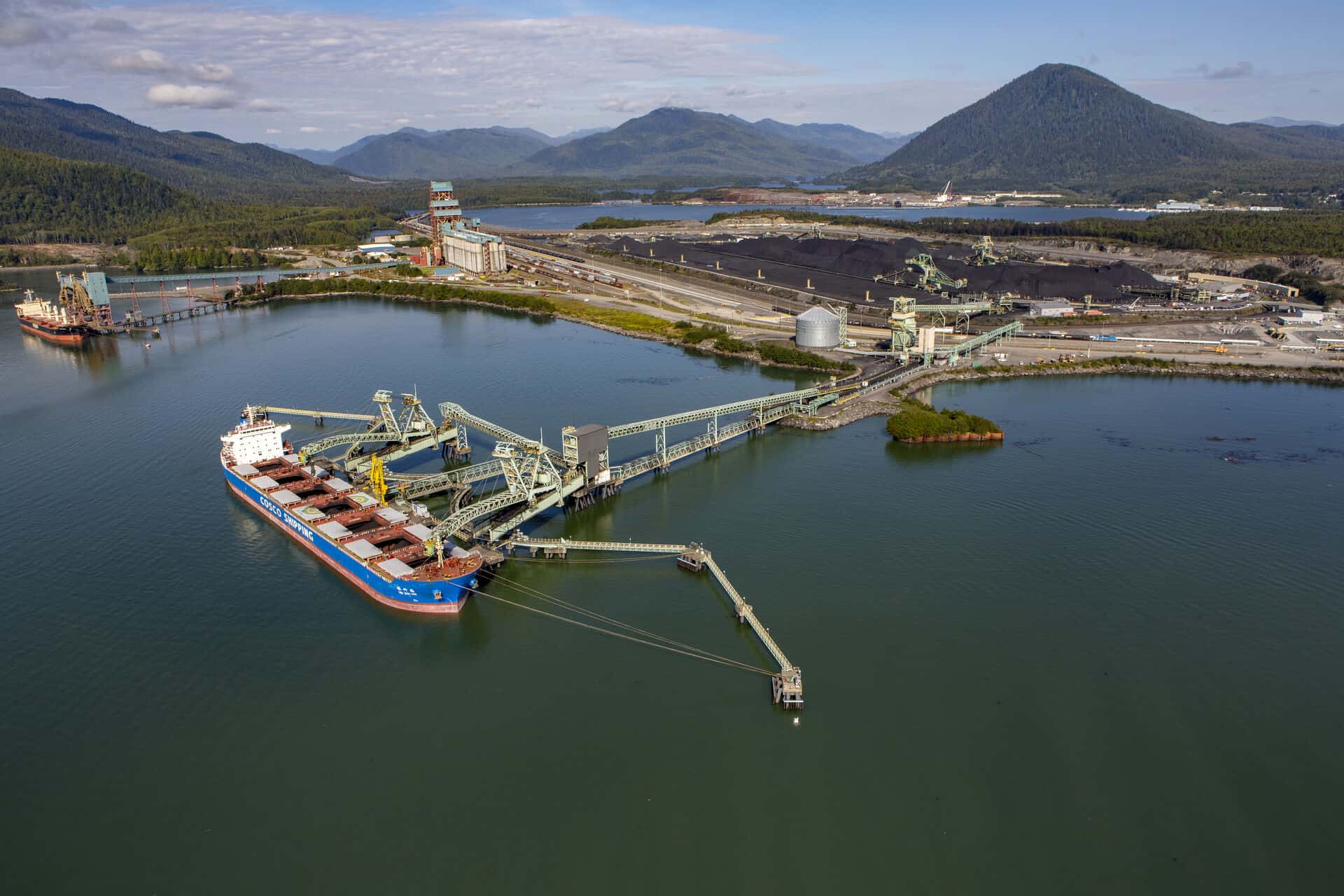
EverWind Fuels will develop a regional hydrogen hub in Point Tupper, Nova Scotia (Atlantic coast of Canada) after acquiring existing storage terminal facilities at the deepwater port. The existing infrastructure will be expanded to include renewable hydrogen and ammonia production, with huge potential for onshore and offshore wind power.
On the Pacific coast, Trigon has announced a new focus on zero-carbon energy exports, particularly ammonia. Trigon’s Prince Rupert, British Columbia export terminal has traditionally been a major coal port, but existing infrastructure will be leveraged as Trigon shifts focus from fossil commodities to low and zero-carbon exports.
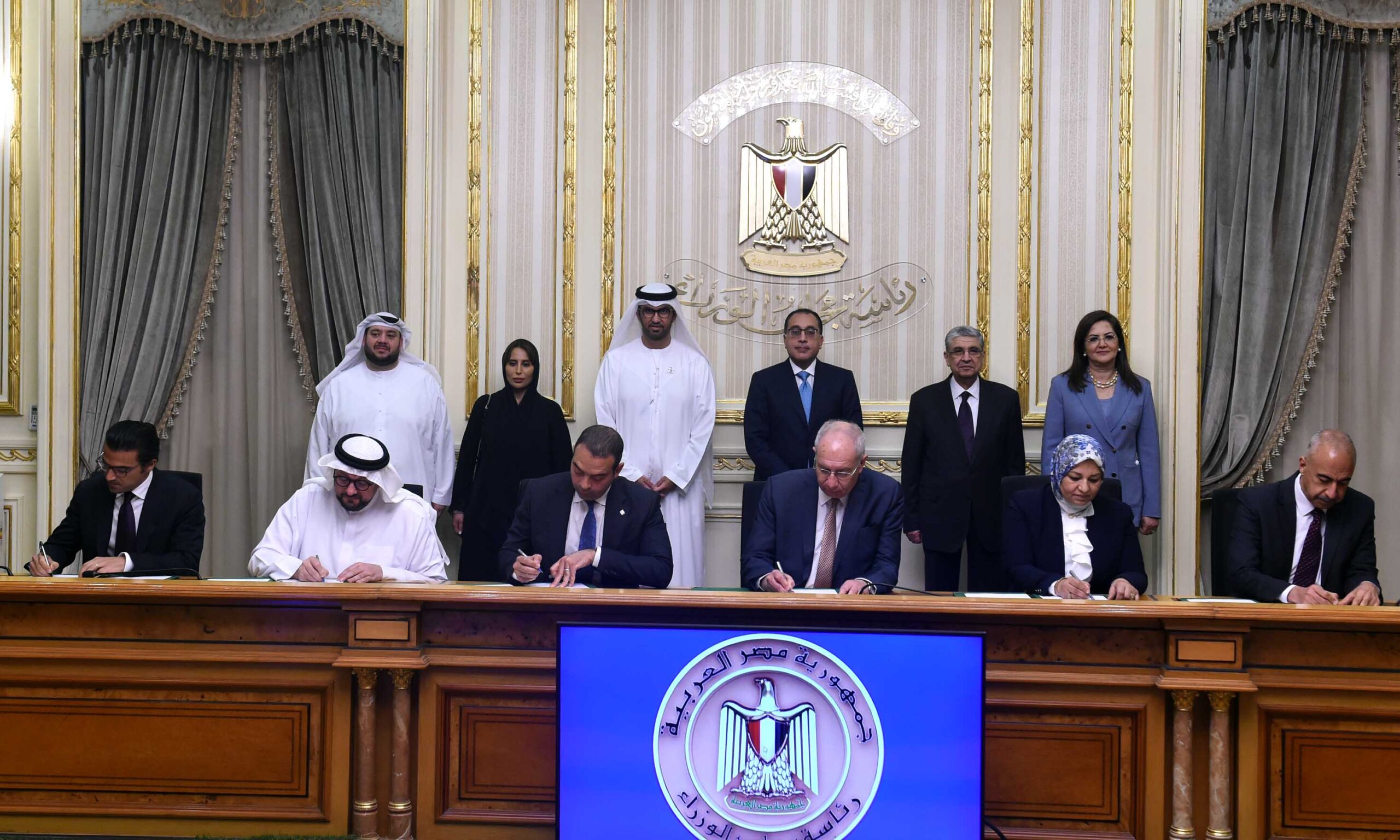
A series of new announcements illustrates the growing importance of Egypt, the Suez Gulf and the area designated the Suez Canal Economic Zone to the ammonia energy transition:
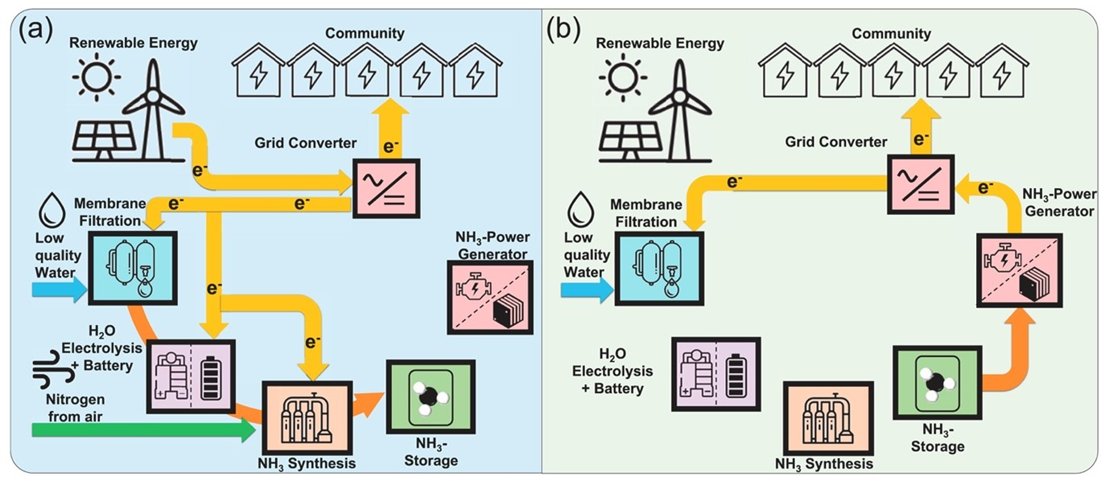
Two sets of academic analyses highlight the huge potential for renewable energy and ammonia fuel to wean island states off fossil fuel use. Researchers from the University of Twente propose a highly-integrated energy generation and storage system for the Caribbean nation of Curaçao, with battery storage and ammonia fuel to offset periods of low wind-power output. On the Canary Islands, researchers from the University of Las Palmas de Gran Canaria present their concept for a “hexa-generation” energy system to produce electricity, water, hydrogen, oxygen, nitrogen and - ultimately - ammonia.
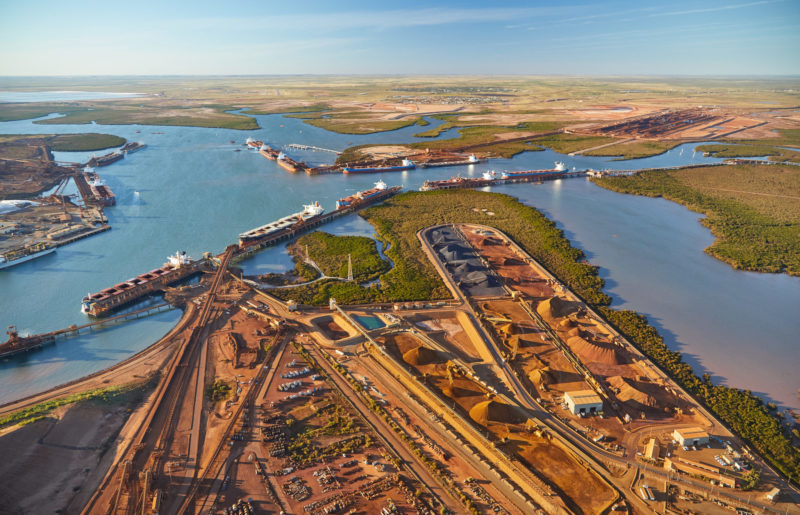
In three green maritime corridor announcements this week:
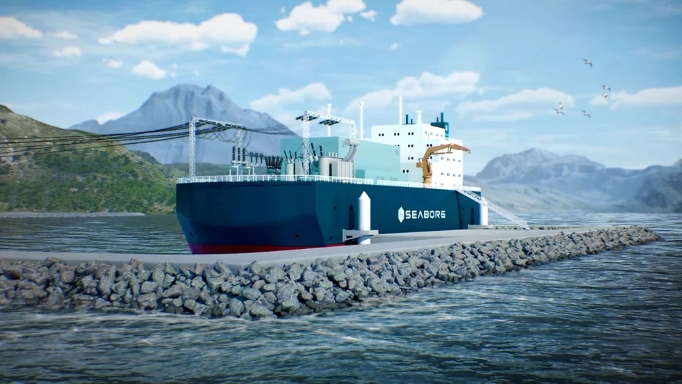
Samsung Heavy Industries and Danish organisation Seaborg have signed a new agreement to develop floating nuclear power plants. The partners have identified P2X projects producing hydrogen and ammonia fuel as key applications for the 800 MW vessels. This follows a report released in January, where UK-based CORE POWER suggests floating nuclear power to produce offshore ammonia can create a network of strategically-located refueling points to service a wide range of maritime transport, with particularly promising applications in the US.
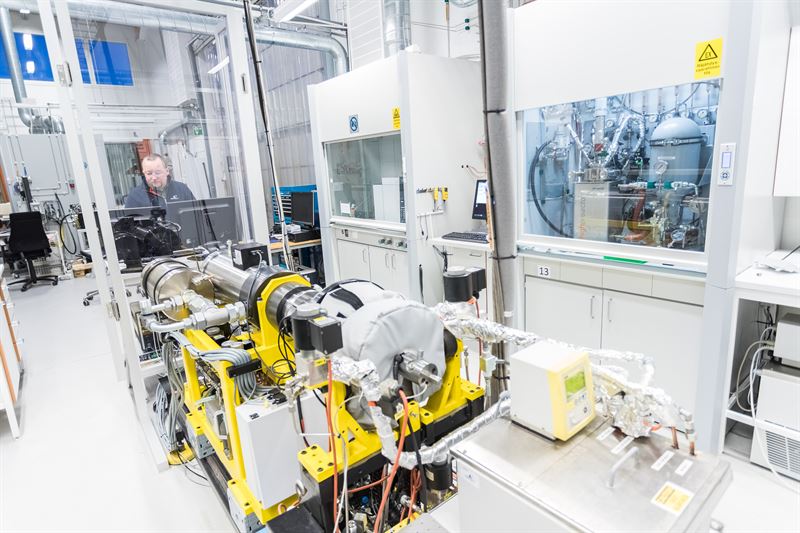
Coordinated by Wärtsilä, an R&D group has been provided with €10 million for the Ammonia 2-4 project. The project aims to complete a retrofit for a two-stroke engine vessel by 2025, as well as establishing a laboratory demonstrator for an ammonia-fueled, four-stroke maritime engine.
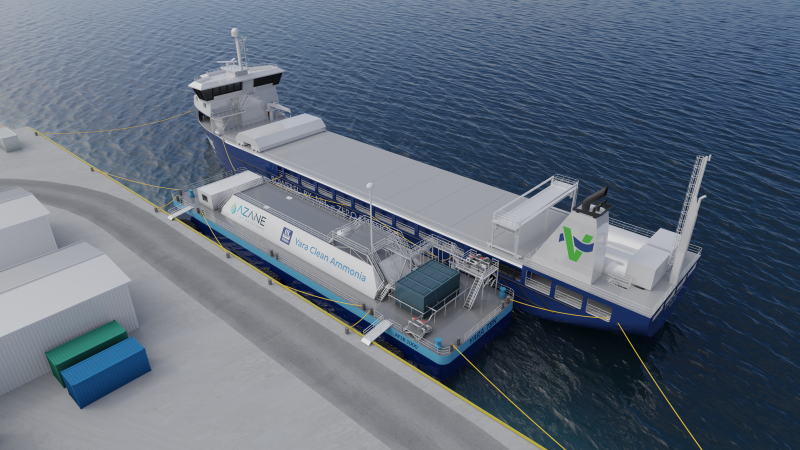
Yara has pre-ordered fifteen of Azane Fuel Solutions’ ammonia bunker terminal units. Once delivered, the pair will work to establish a carbon-free ammonia fuel bunker network in Scandinavia. Also this week, Amon Maritime (a founding partner of Azane Fuel Solutions), launched a new ship management company that will specialize in ammonia-fueled vessels.
In the few short weeks since we explored the concept & implementation of “Green Maritime Corridors” at Ammonia Energy, we’ve seen a flurry of significant players express their interest in the space. Here we explore announcements from the Castor Initiative, the European Green Corridors Network, and the news that Singapore will become a signatory to the Clydebank Declaration for Green Shipping Corridors.