Site items in: Asia

Ammonia-Fueled Gas Turbine Power Generation
Article

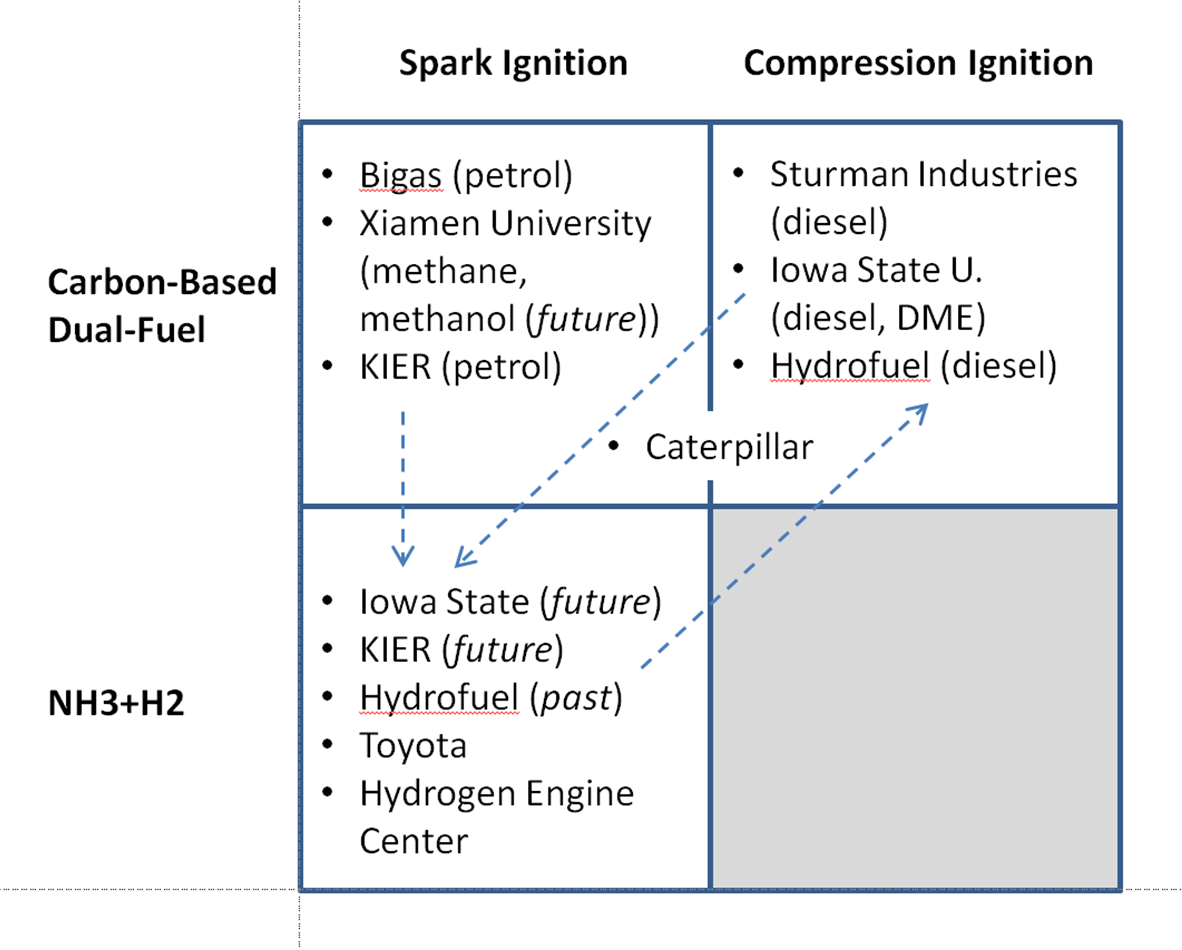
Hideaki Kobayashi, professor at the Institute of Fluid Science at Tohoku University in Sendai, Japan, has developed the world’s first technology for direct combustion of ammonia in a gas turbine. The advance was made in cooperation with the National Institute of Advanced Industrial Science and Technology (AIST) under a program led by Norihiko Iki.

On the Ground in Japan
Article

Two talks delivered in December show the tiny steps that allow a country to transition to a sustainable energy economy. The country is Japan. The events hosting the talks were short-format symposia whose evident objective was to draw in business and technical people who might become practically involved in the new energy economy. Both talks highlighted the role to be played by ammonia while also describing competing and complementary technologies.

International R&D on sustainable ammonia synthesis technologies
Article

Over the last few weeks, I've written extensively about sustainable ammonia synthesis projects funded by the US Department of Energy (DOE). While these projects are important, the US has no monopoly on technology development. Indeed, given the current uncertainty regarding energy policy under the Trump administration, the US may be at risk of stepping away from its assumed role as an industry leader in this area. This article introduces seven international projects, representing research coming out of eight countries spread across four continents. These projects span the breadth of next-generation ammonia synthesis research, from nanotechnology and electrocatalysis to plasmas and ionic liquids.

Hydrogen Fueling Station Development in Japan
Article

Two announcements – focused on very different approaches for supplying hydrogen as a transportation fuel – shine a light on Japan’s approach to creating a national hydrogen energy economy. On January 24, the American company Air Products and Chemicals, Inc. issued a press release about the launch of the Shikaoi Hydrogen Farm fueling station in Hokkaido, Japan. The station will be supplied by hydrogen derived from agricultural wastes via anaerobic digestion and Air Products’ biogas purification and steam methane reforming (SMR) technologies. The project was undertaken by a consortium that includes the Japanese companies Nippon Steel and Sumikin Pipeline & Engineering, Air Water, Inc., and Kajima Corporation. Six months earlier, on July 19, 2016, the Japan Science and Technology Agency (JST) announced that another consortium – this one led by Hiroshima University and including Showa Denko, Taiyo Nichi Company, and Toyota Industries – had succeeded in developing “viable technology to produce high-purity hydrogen [from an] ammonia hydrogen station.”
Hydrogen Council - new global initiative launched at Davos
Article

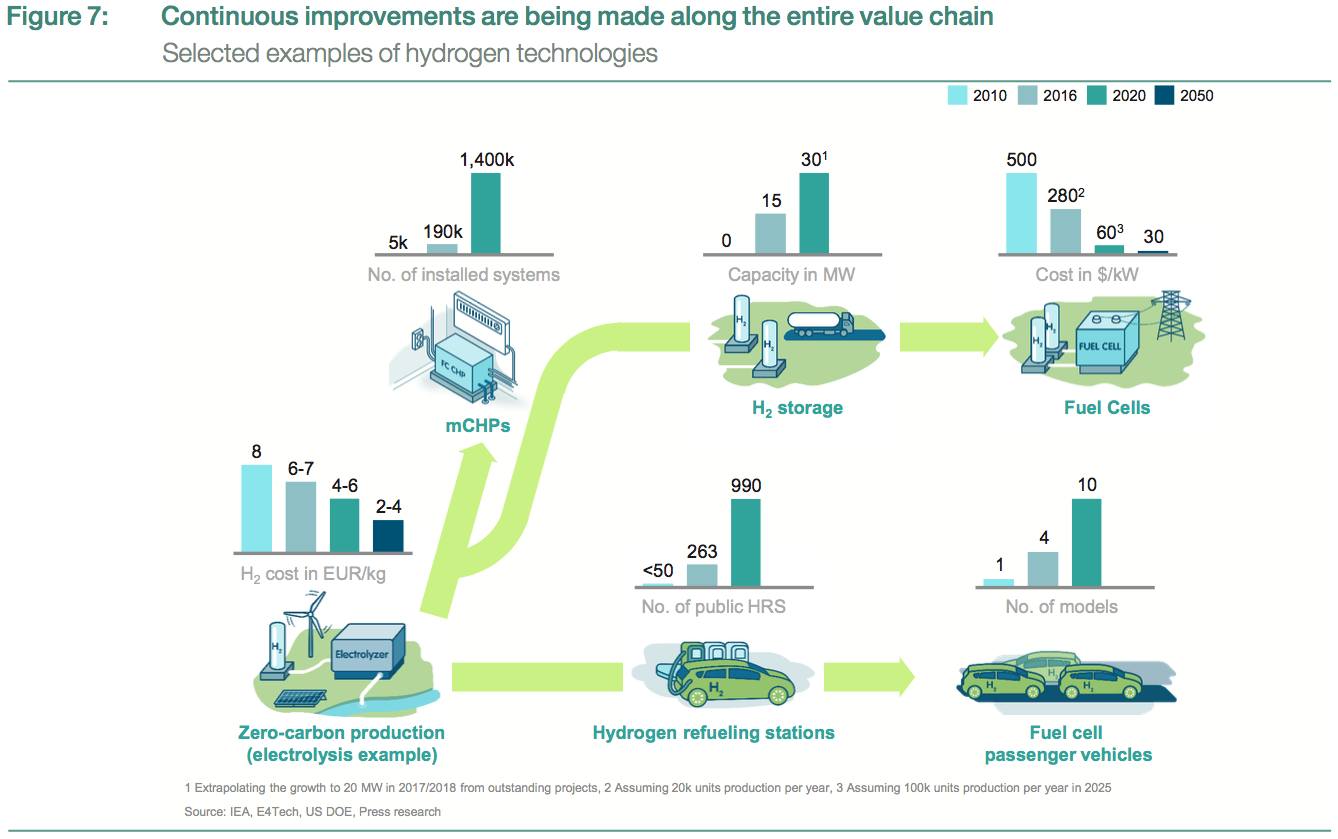
This week, at the World Economic Forum in Davos, the leaders of 13 global companies, representing more than EUR 1 trillion in annual revenues, announced the launch of the Hydrogen Council. This new global initiative is important for obvious reasons: it presents a compelling "united vision and long-term ambition" for hydrogen, it promises global engagement with "key stakeholders such as policy makers, business and hydrogen players, international agencies and civil society," and it pledges financial commitments to RD&D totaling EUR 10 billion over the next five years. It is important for a subtler reason too: it is the first hydrogen industry promotion I've seen that includes ammonia. It includes ammonia both implicitly, encompassing "hydrogen and its compounds," and explicitly, listing ammonia as a "renewable fuel" in its own right.

Carbon Pricing and the Economics of Green Ammonia
Article

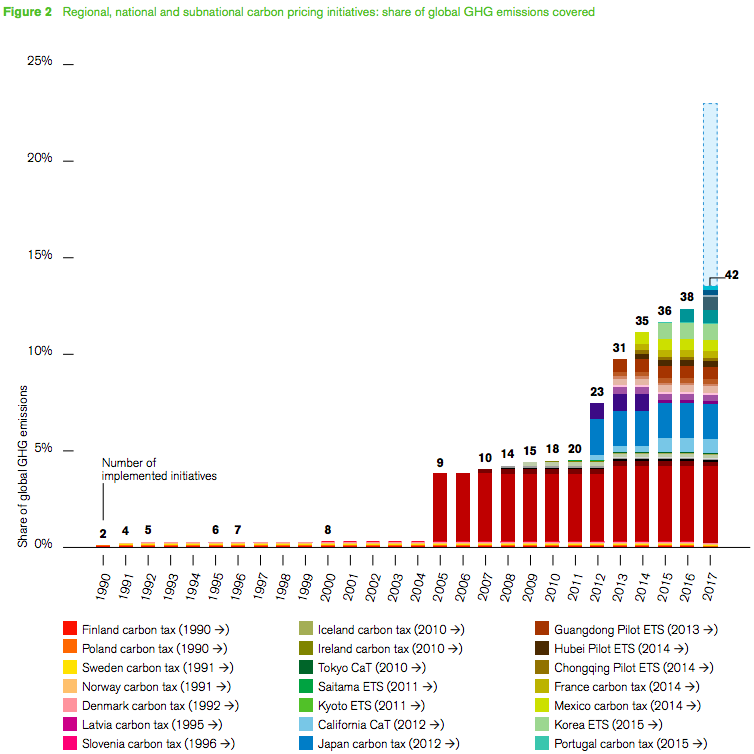
The United States Senate is expected to open confirmation hearings for Secretary of State nominee Rex Tillerson on January 11. Tillerson, newly retired from Exxon Mobil, became the chief executive officer of that company in 2006. He has attracted many labels since his nomination was announced, but “climate denier” is not among them.

Integrating Ammonia Production with Nuclear Power
Article

In an interview today, Dr. Yaoli Zhang from Xiamen University discussed the case for integrating ammonia production with nuclear power. Dr. Zhang is currently a Visiting Professor at the Massachusetts Institute of Technology in Boston. The idea would be to harness both unused generating capacity and waste heat to produce ammonia with a near-zero carbon footprint.

Low-carbon ammonia synthesis: Japan's 'Energy Carriers'
Article

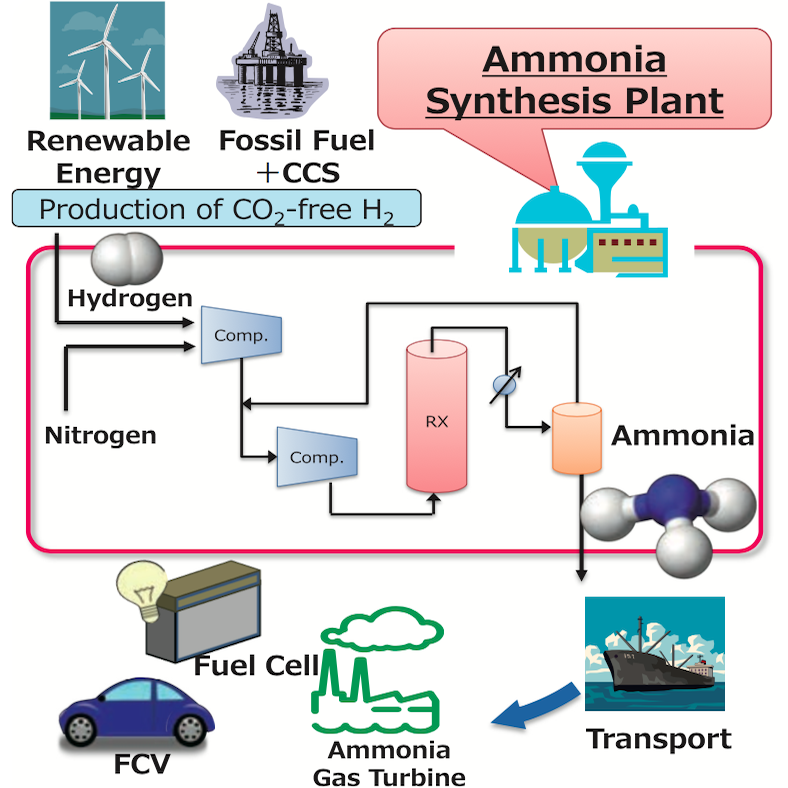
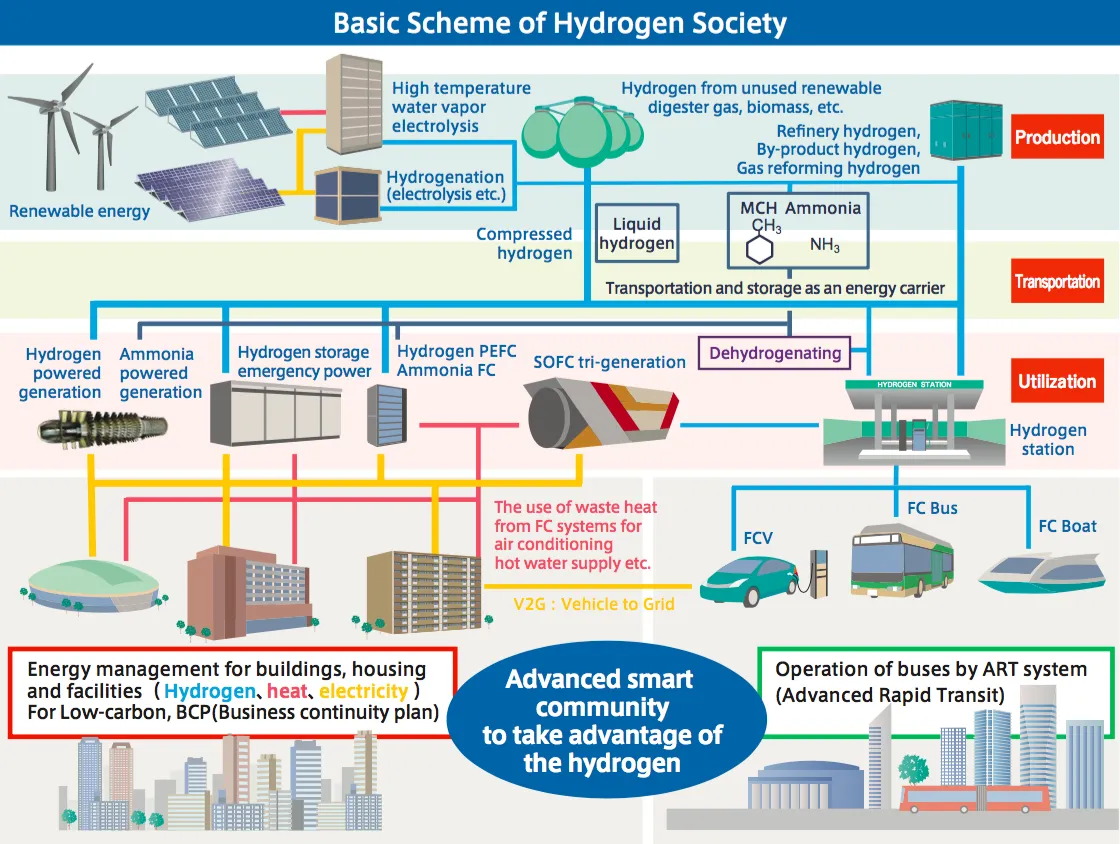
In 2018, a pilot plant in Japan will demonstrate a new way to produce ammonia at industrial-scale, with a low carbon footprint. This is part of Japan's 'Energy Carriers' R&D initiative, which aims to develop technologies to enable the nation's transition to a carbon-free hydrogen economy. The scope of the program covers ten subjects that encompass the full "CO2-free hydrogen value chain." Three of these ten programs describe a technology pathway for making low-carbon ammonia.

How to create a market for low-carbon ammonia: product labeling
Article

I wrote last week about ARPA-E's "transformative" ammonia synthesis technologies, describing three technology pathways under development: low pressure Haber-Bosch, electrochemical processes, and advanced electrolysis. ARPA-E's ambitious R&D program might imply that a meaningful, commercial market for sustainable ammonia is still decades away. It represents, however, only the slow American tip of a fast-moving global iceberg. In Japan, where there's no debate about climate science, the national effort is already well underway, with three programs to develop low-carbon ammonia synthesis under the Cross-ministerial Strategic Innovation Promotion Program (SIP), 'Energy Carriers.'