Site items in: Content by Author Trevor Brown

Sailing on Solar: EDF report identifies ammonia as
Article

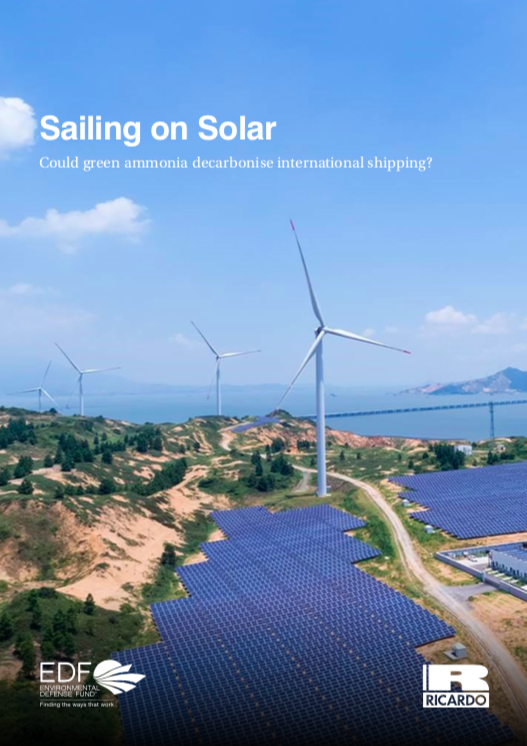
In May, the Environmental Defense Fund published Sailing on Solar, a significant new report that assesses the potential for green ammonia to be used as a maritime fuel, reducing the global shipping industry's carbon emissions. Its 60-page techno-economic analysis concludes that "green ammonia can – indeed should – be adopted as a greenhouse gas-free fuel more easily, quickly and safely than people may assume." Indeed, Sailing on Solar estimates that, to meet decarbonization targets, ammonia will need to start being adopted in ships "during the 2020s."
A rigorous protocol for measuring electrochemical ammonia synthesis rates
Article

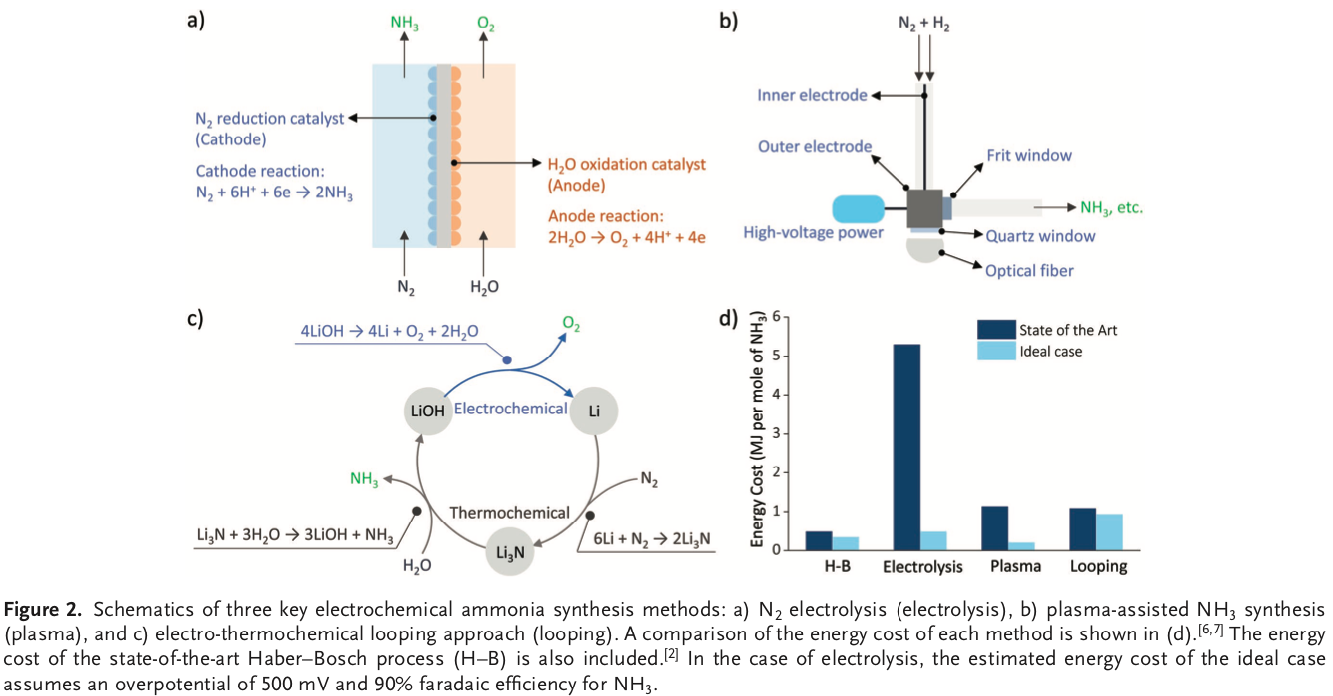
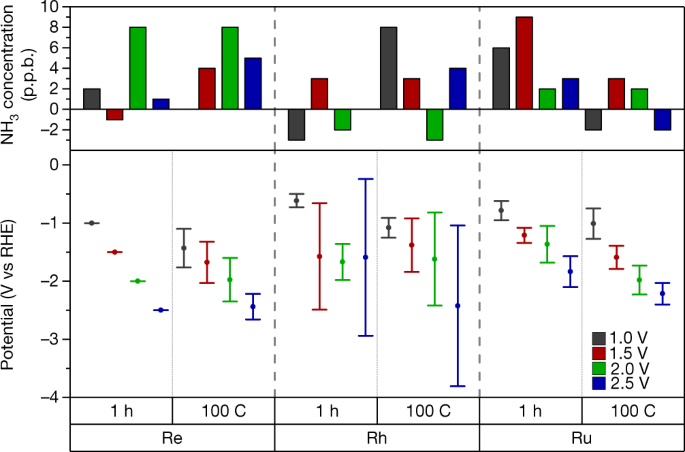
NEWS BRIEF: A paper published this week in Nature addresses the challenge of accurately reporting synthesis rates for electrochemical ammonia production technologies. According to the authors, from Stanford University, the Technical University of Denmark (DTU), and Imperial College London, it is not always clear if new technologies really synthesize ammonia, or if the researchers simply measured contaminants. This is because, at experimental scale, materially significant amounts of ammonia (or other nitrogen-containing molecules) could be present in the air, membranes, catalysts, or simply the researchers' breath. To support the development of viable electrochemical ammonia synthesis technologies, the authors propose "benchmarking protocols," and "a standardized set of control experiments."

NH3 Event in Rotterdam, June 6-7
Article

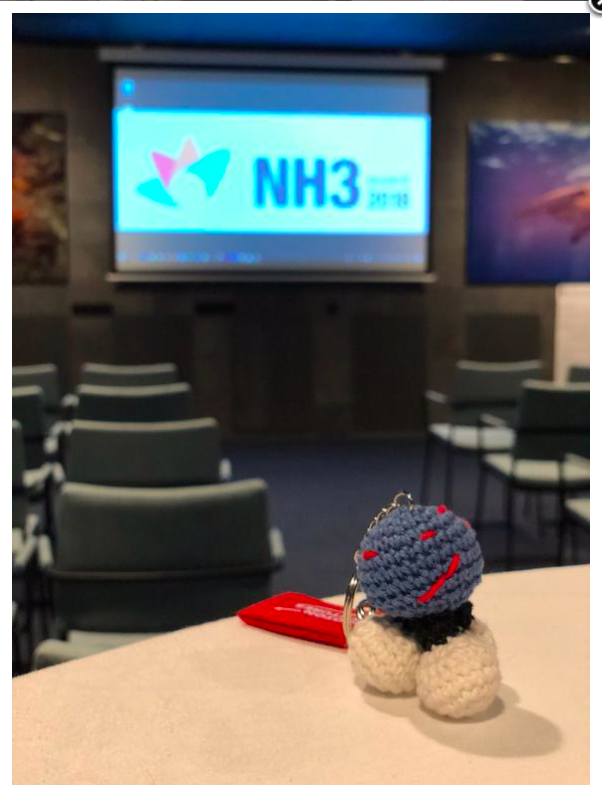
This year's ammonia conference in Rotterdam, the third annual NH3 Event, begins two weeks from today. Since our guest post in March, announcing the initial roster of conference speakers, the organizers have confirmed new speakers, added more sessions, and announced further details. The NH3 Event is a two-day conference, taking place on June 6 & 7, presenting "state of the art solutions and innovations on the subject of Sustainable Ammonia." Although the conference hall is already close to capacity, a few dozen tickets remain available through the NH3 Event website.

Ammonia-fed microbial fuel cells: power from sweat
Article

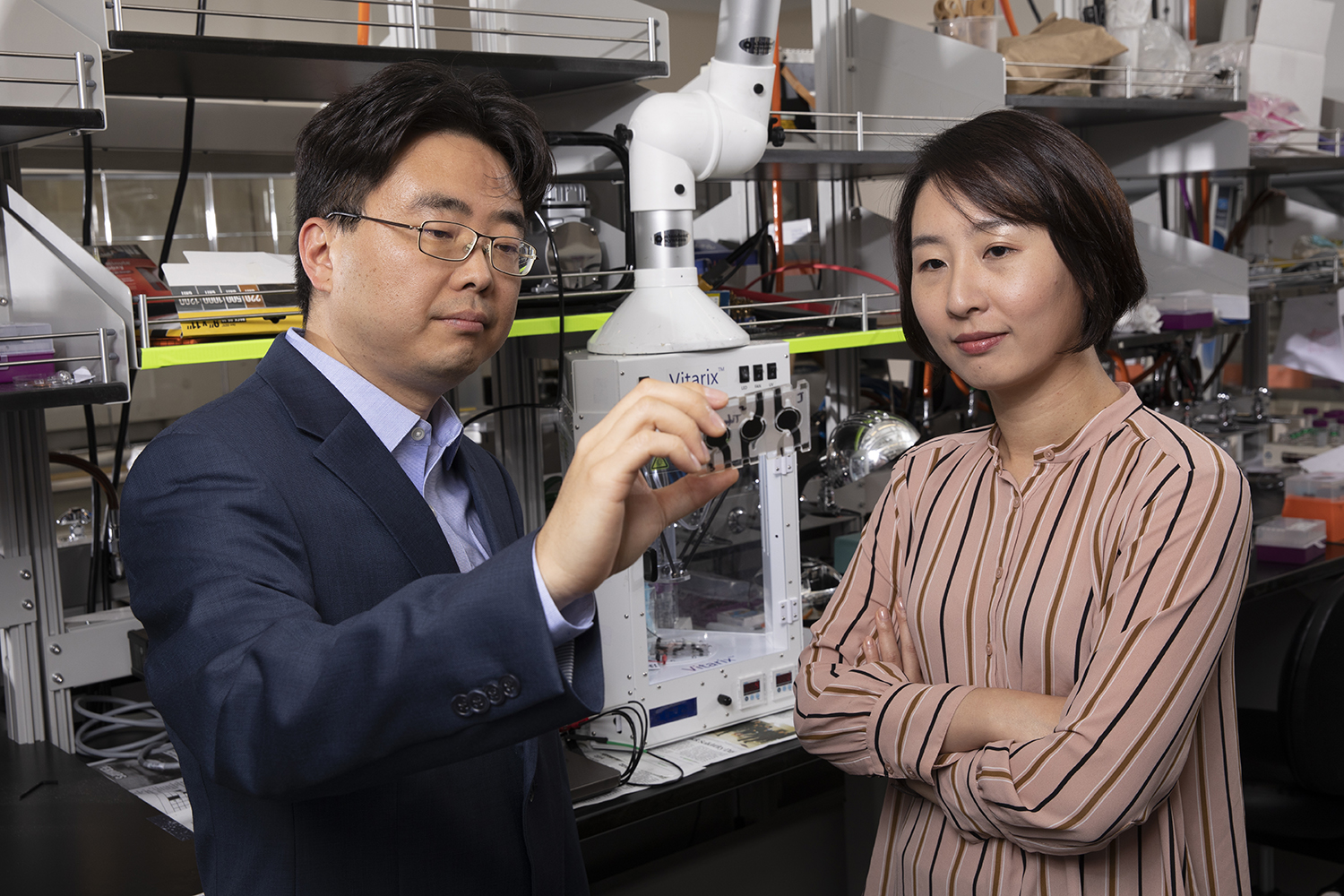
NEWS BRIEF: The National Science Foundation has awarded $452,000 to researchers at Binghamton University to develop a technology that can generate power from sweat, fueling "one of the ultimate forms of next-generation electronics." The project aims to harness ammonia-oxidizing bacteria, using microbial fuel cells, to power wearable electronics.

Feeding Life 2030: the vision of Fertilizers Europe
Article

Fertilizers Europe published an important report in late 2018 that examines key drivers for the fertilizer industry and describes the "likely developments expected between now and 2030." These developments include producing "perhaps 10%" of European ammonia from renewable electricity by using electrolyzers to generate renewable hydrogen feedstock. This would require scaling up green ammonia production capacity to more than a million tons per year, within ten years. The report, Feeding Life 2030, also describes the policy framework required "to sustain the Vision." In this vision, ammonia sits at "the crossroads of nutrition and energy" and is recognized as "the ‘missing link’ in the coming energy transformation."

ARPA-E solicits technologies for nitrogen extraction from seawater using seaweed
Article

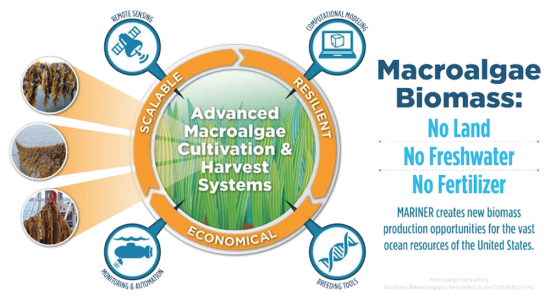
NEWS BRIEF: On Monday, May 13, the US Department of Energy ARPA-E will close its request for information (RFI) regarding Quantification of Effectiveness of Nutrient Bioextraction by Seaweed. By using environmental remediation (nitrogen removal) as a mechanism for ammonia production (nitrogen recycling), this novel research area could connect together two phases of industry: production and end-of-life management. Rather than saying that this addresses both ends of a value chain, it might be more appropriate to say that this holds promise for the circular economy of ammonia energy.

If green ammonia, whence urea? Stamicarbon's Innovation Agenda
Article

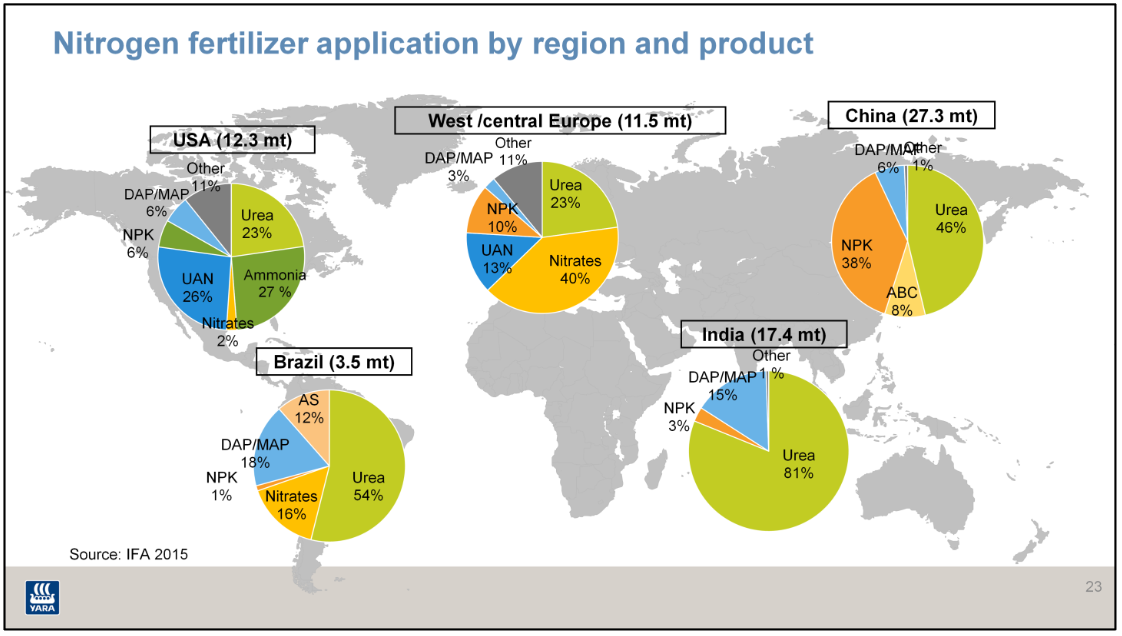
One of the most interesting unanswered questions surrounding green ammonia is this: what about urea? Last month, a major announcement by Stamicarbon ("the world market leader in design, licensing and development of urea plants") implies an answer: in the long-term context of climate change, urea as a fertilizer may simply need to be phased out. Stamicarbon announced its new Innovation Agenda at the company's "Future Day" event in Utrecht in April. Its Innovation Agenda covers three areas: speciality fertilizers, digitalization, and "Renewable production of fertilizer (using wind or solar energy to produce fertilizer)."

ARPA-E request for information: Pre‐pilot and pilot projects to scale, mature, and advance technologies
Article

ANNOUNCEMENT: The US Department of Energy's Advanced Research Projects Agency (ARPA-E) has published a Request For Information (RFI) focused on supporting scale-up demonstrations of ARPA-E technologies. Unlike normal ARPA-E funding agreements, which typically provide 5%-20% of the financing for bench-scale projects within laboratories, this RFI is geared towards industrial pilot projects, for which ARPA-E would provide "at least 50% cost share."