Site items in: Content by Author Trevor Brown

SIP
Article

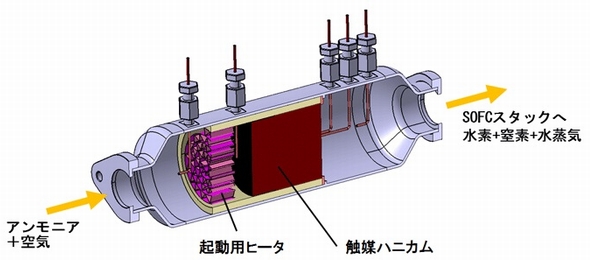
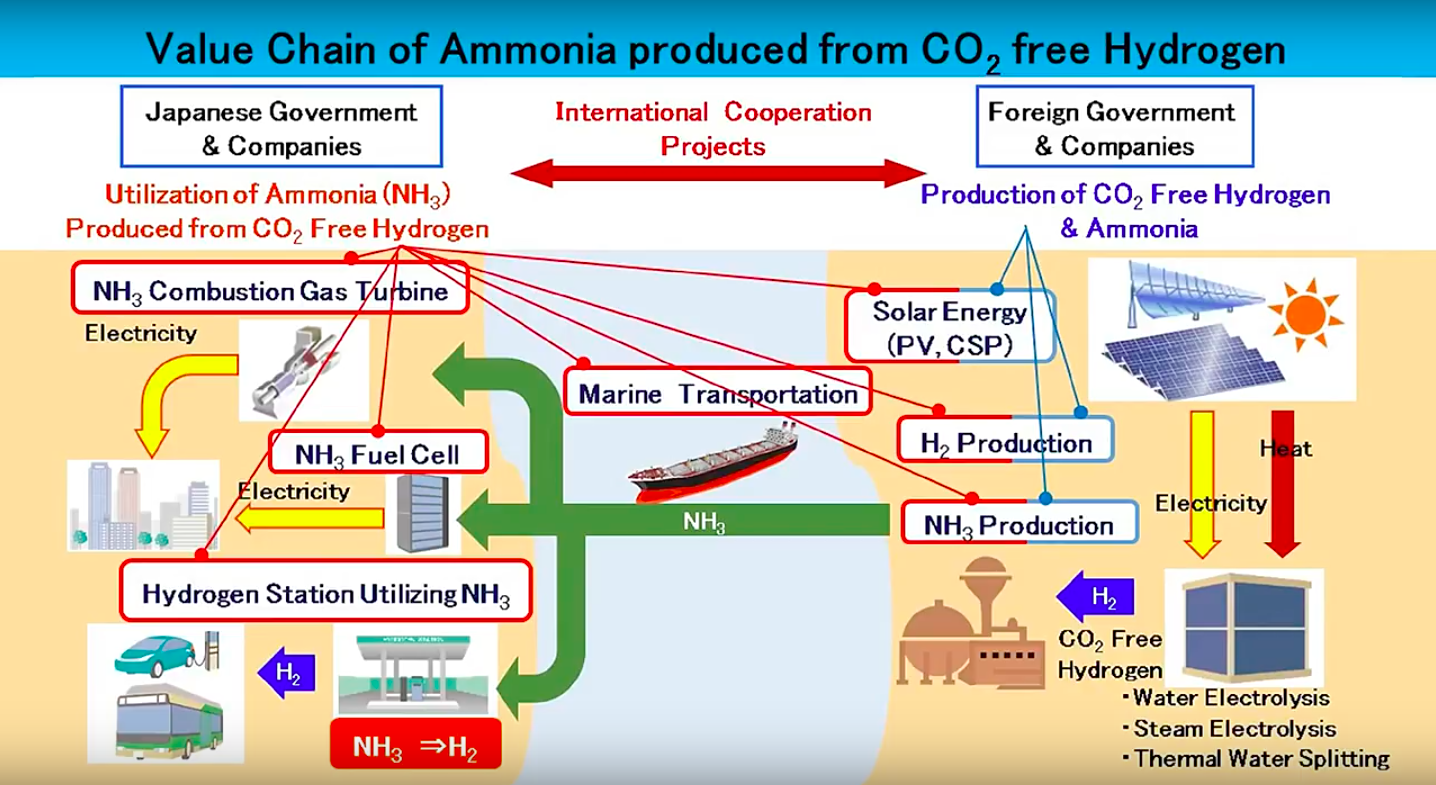
To demonstrate the progress of the SIP "Energy Carriers" program, the Japan Science and Technology Agency last week released a video, embedded below, that shows three of its ammonia fuel research and development projects in operation. R&D is often an abstract idea: this video shows what it looks like to generate power from ammonia. As it turns out, fuel cells aren't hugely photogenic. Nonetheless, if a picture is worth a thousand words, this will be a long article.

The Dawn of Bio-Ammonia
Article

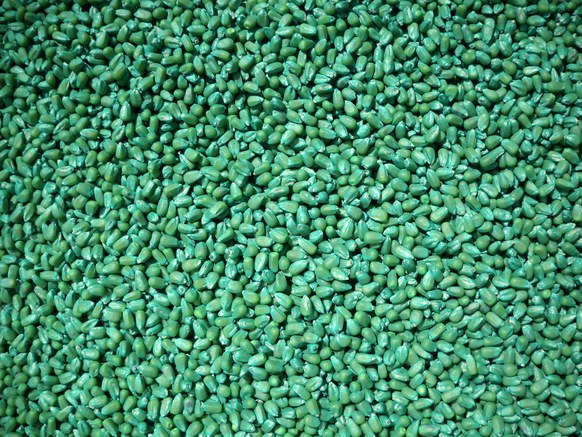
In the last 12 months ... Bio-engineering has set its sights on ammonia. If we could deliver ammonia-emitting microbes to the soil we might make ammonia fertilizer obsolete; on the other hand, if we could farm them, we might establish ammonia as a new, carbon-free algal biofuel.

The Maritime Industry Begins Assessment of Ammonia as a Fuel
Article

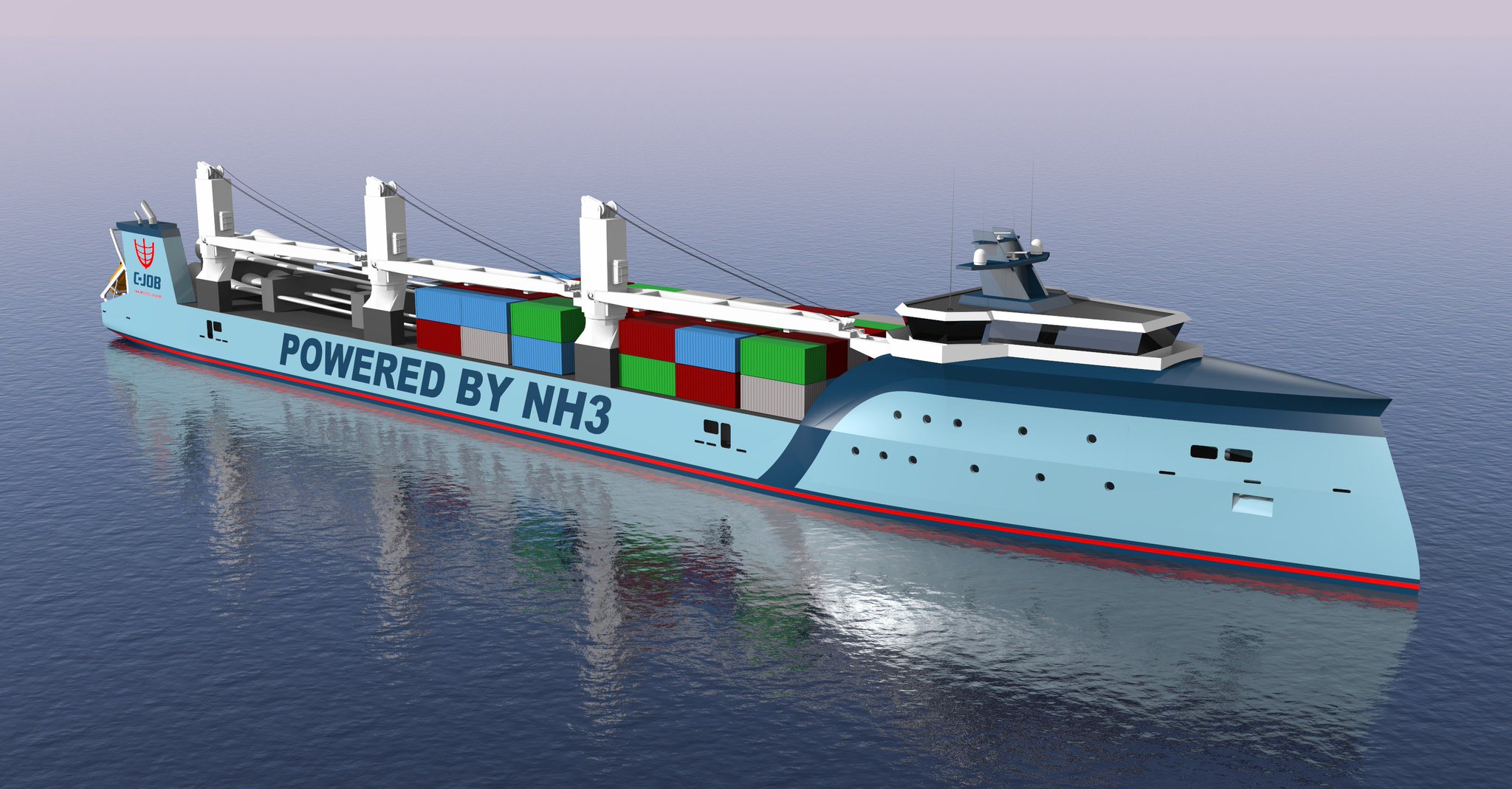
In the last 12 months ... The maritime industry has begun assessing ammonia as a carbon-free fuel, for internal combustion engines and fuel cells. This marks the first time since the 1960s, when NASA used ammonia to fuel the X-15 rocket plane, that industry players have seriously considered ammonia for transport applications.

Power-to-Ammonia: the Economic Viability of Ammonia Energy
Article

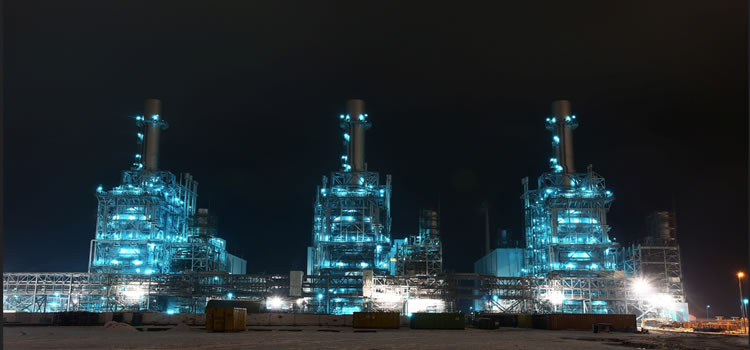
In the last 12 months ... The extensive Power-to-Ammonia feasibility study demonstrated that ammonia energy could be economically viable in different business cases. The report was a collaborative effort by large European corporations - power companies, electricity distributors, chemical producers, engineering firms - and it has already resulted in plans for one 440 MW power plant to be converted to carbon-free fuel by 2023.

Yara: solar ammonia pilot plant, for start-up in 2019
Article

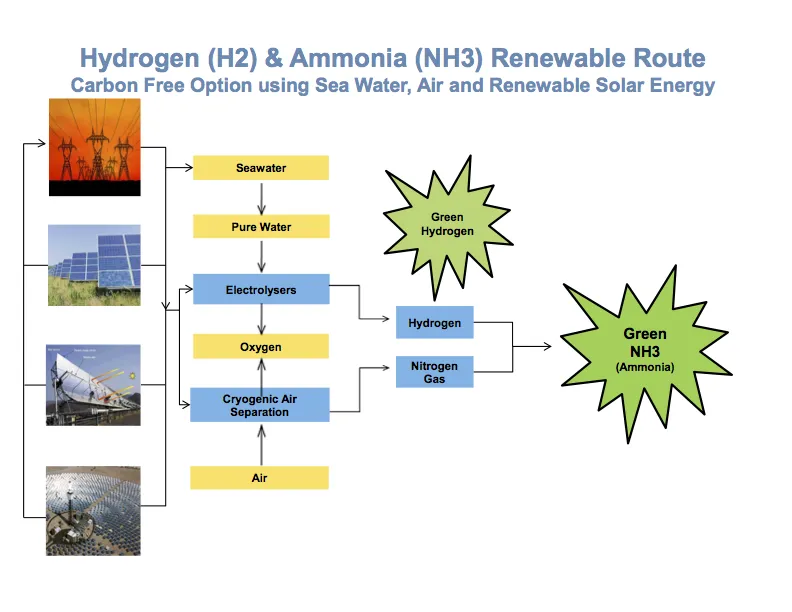
Yara, the world's biggest producer of ammonia, has announced that it intends to build a demonstration plant to produce ammonia using solar power, near its existing world-scale plant in the Pilbara, in Western Australia. It expects to complete the feasibility study this year. Next year, in 2018, Yara hopes to finish the engineering design and begin construction so that it can complete the project and begin production of carbon-free ammonia in 2019.

Bio-Ammonia for fertilizer or fuel (a tale of two bacteria)
Article

Today, we saw probably the single most important announcement in the five years that I've been tracking sustainable ammonia production technologies. Global ag-input giant Bayer and MIT-spin off Ginkgo Bioworks ("we design custom microbes") announced a USD $100 million investment to engineer nitrogen-fixing bacteria into seed coatings, potentially displacing ammonia from its fertilizer market. On the other side of the world, in the Philippines, researchers are developing another use for another bacteria: industrial-scale algal ammonia synthesis. This would allow ammonia to become a carbon-free biofuel, creating a new and much, much, much bigger market for ammonia: no longer fertilizer but energy.

Optimizing technology pathways for Ammonia Fuel: production, transportation, and use
Article

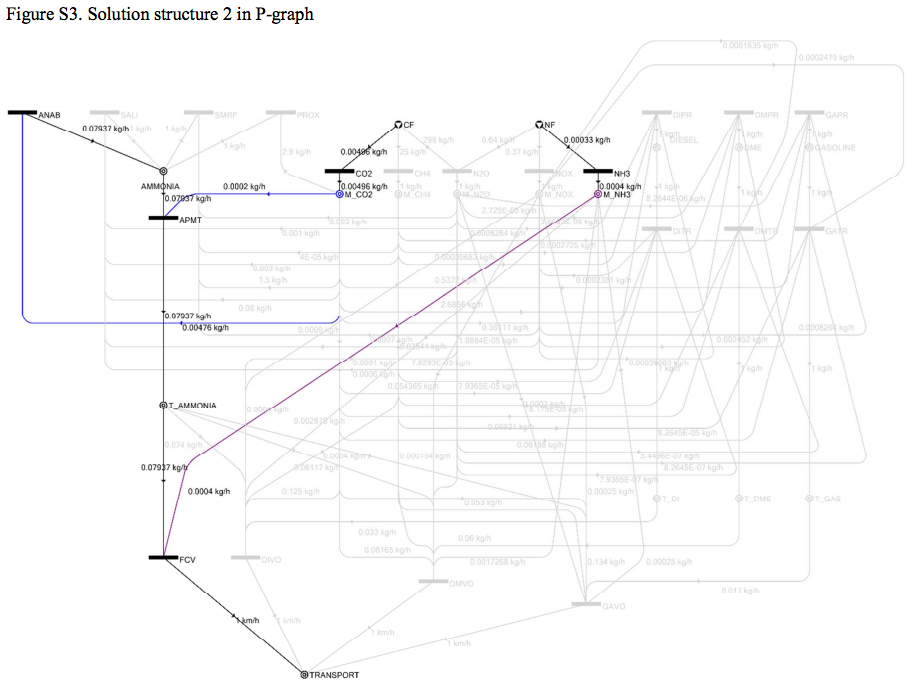
A paper has just been published by researchers in The Philippines who set out to determine the most environmentally benign way to produce, transport, and use ammonia as a fuel for vehicles. This new work provides a detailed life cycle analysis of a broad range of ammonia technologies, evaluating both carbon and nitrogen footprints of each, and identifying the optimal "well-to-wheel" pathway. Their results support the idea that using ammonia for energy presents a safe and sustainable way to bring about the hydrogen economy.