Site items in: Content by Author Stephen H. Crolius

NH3 Fuel Association Chapter Launching in Australia
Article

Following the NH3 Fuel Association’s call last September for the formation of national organizations to advocate for ammonia energy, a chapter of the Association is taking shape in Australia.  John Mott, until recently CEO of the Australian industrial refrigeration concern Gordon Brothers, has spearheaded the formation of a local chapter of the NH3 Fuel Association (NH3FA).  The chapter will be known informally as the NH3 Fuel Association Oz. Monash University, Australia’s largest university, has agreed to host the organization.

On the Ground in Australia: Two Key Mentions for Ammonia Energy
Article

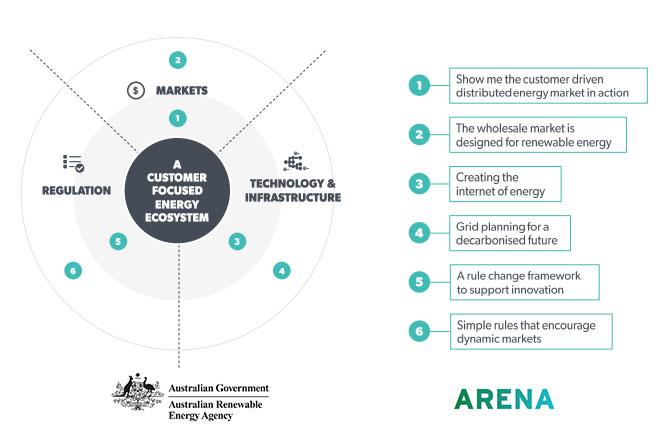
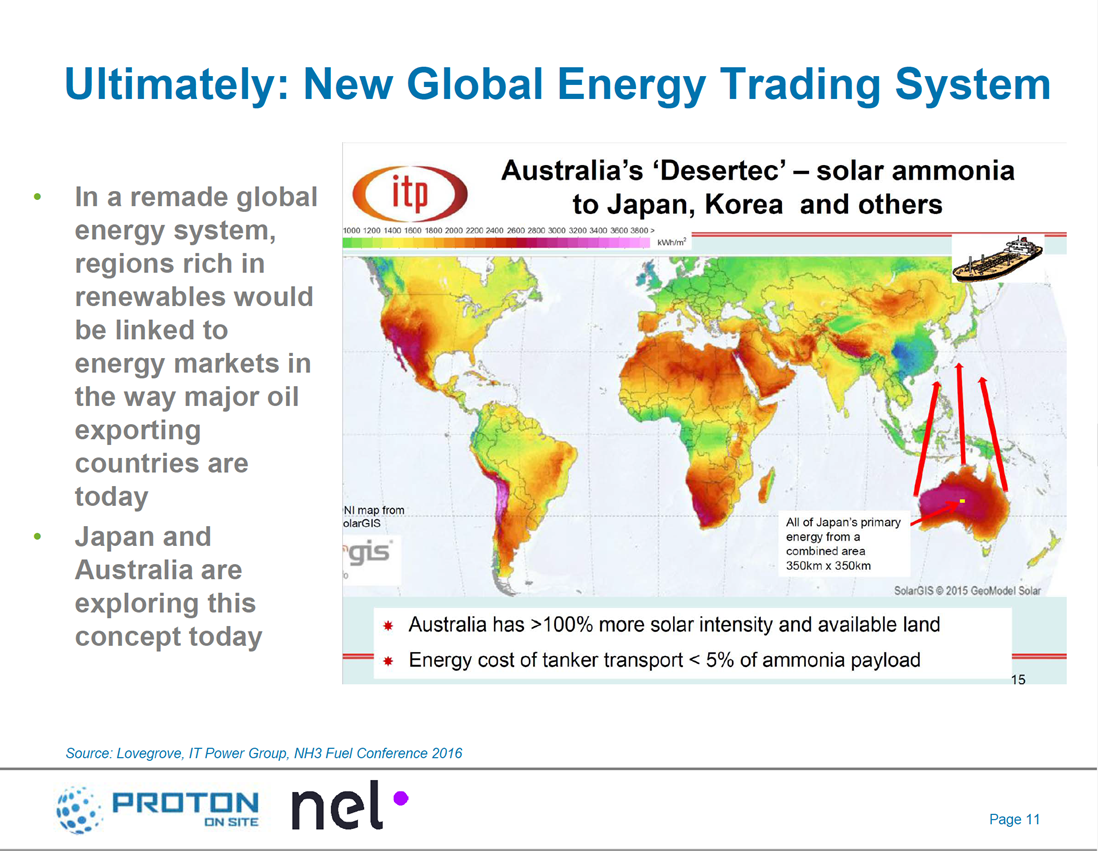
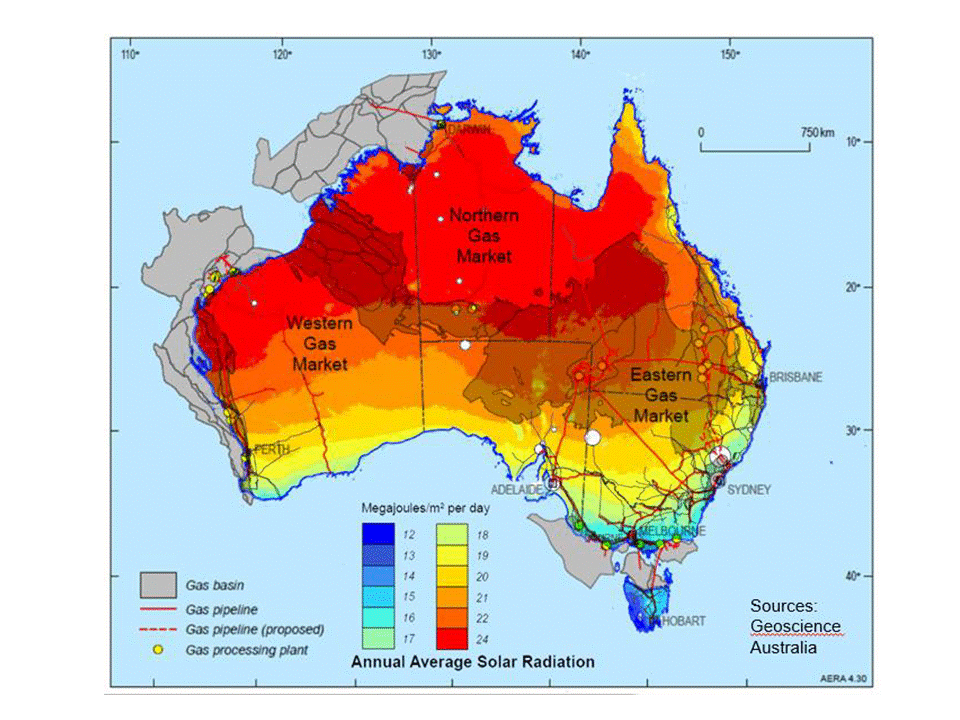
Ammonia energy is about the development of technology, but it is also about the mobilization of investment.  To be precise, it is about how evolving technology can attract investment and how investment enables technological evolution.  A dynamic of this nature is emerging in Australia, where recent citations of ammonia energy in two mainstream venues signal its arrival as a legitimate target for public- and private-sector investment.

REFUEL Is Back on Track
Article

The U.S. Department of Energy’s ARPA-E REFUEL Program, whose continued existence seemed to be in doubt two months ago, now appears to be back on track.  Invitations were sent a week ago for the ARPA-E REFUEL Program Kickoff, an event that was originally scheduled for April 25 and 26 in Houston.  It is now scheduled to take place in Denver on August 16, 17, and 18.  Attendance will be by invitation only.

Report from the European Conference: Ammonia-Fueled Gas Turbines
Article

The ammonia-fueled gas turbine (A-GT) seems destined to become one of the key technologies in the sustainable energy economy of the future.  Siemens AG, for one, features the A-GT in its vision for “Green Ammonia for Energy Storage and Beyond” and the demonstration system that the company is building at the Rutherford Appleton Laboratory in the U.K.  Last month Ian Wilkinson, Siemens’ Programme Manager for the demonstration project, spoke about the project’s progress at the 1st European Power to Ammonia® Conference in Rotterdam in The Netherlands.  Although he devoted a slide to the A-GT, the detailed perspective came from another presentation at the conference.  This one was delivered by Dr. Agustin Valera-Medina, a Senior Lecturer at Cardiff University, one of Siemens’ main green ammonia collaborators.

On the Ground in Japan: Mid-Term Prospects for the Hydrogen Society
Article

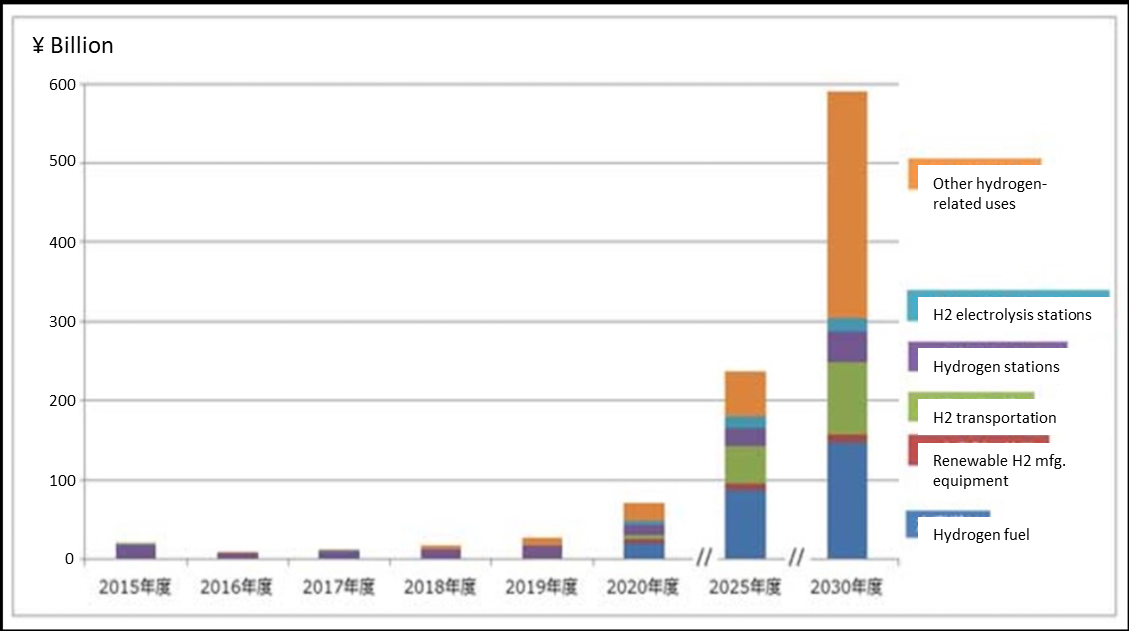
Recent “On the Ground in Japan” posts have considered the path forward for Japan’s “Hydrogen Society.”  Two weeks ago, a post entitled “FCV Uptake and Hydrogen Fueling Stations,” pointed to a lack of marketplace momentum for the products that are supposed to drive the hydrogen society forward in the near term.  The uptake of fuel-cell vehicles is off to a very slow start and the construction of hydrogen fueling stations is “not proceeding.” The same day the post appeared, the Japanese market research firm Fuji Keizai announced the release of a report projecting robust growth for the country’s hydrogen economy.  As reported by the on-line news service Smart Japan, the market for selected hydrogen-related goods will start to hit its stride with the arrival of the Tokyo Olympics in 2020.  At that time, Fuji Keizai projects the market will have a value of approximately ¥700 billion ($6.4 billion).  By 2030, the report says, the market will have a value of ¥5,903 billion ($54 billion). This is good news for hydrogen proponents but its import for ammonia energy is not clear.
Ammonia Energy at the H2@Scale Workshop
Article

“Carbon-free ammonia needs to be a significant contributor to the H2@Scale initiative.” This was one of the “key takeaways” offered by Steve Szymanski, Director of Business Development at the hydrogen generator company Proton On-Site, during his presentation at the H2@Scale Workshop that was held on May 23-24 at the University of Houston in the U.S. By the time Szymanski left the podium, ammonia energy had moved a good distance from the periphery of the H2@Scale conceptual map toward its center.

On the Ground in Japan: FCV Uptake and Hydrogen Fueling Stations
Article

Module four of the ten-module research and development agenda for Japan’s Cross-Ministerial Strategic Innovation Promotion Program -- Energy Carriers is entitled “Basic Technology for Hydrogen Station Utilizing Ammonia.” The rationale for including this technology is that “high purity H2 supply system with low cost hydrogen transportation is a key issue to spread fuel cell vehicles (FCVs).” A story published last week in the Tokyo Shimbun says that to date FCVs have not spread very far. Among the factors seen as constraints is the cost of hydrogen fueling stations (HFS). The Tokyo Shimbun story states that “according to industry officials, each station that supplies hydrogen to fuel cell vehicles runs about ¥400 million ($3.6 million) in construction costs. In order to achieve profitability, about 1,000 fuel cell vehicles are required as customers per location. Construction is not proceeding.” So far, the players focused on FCVs do not seem to be looking to ammonia as an expedient that will help reduce the cost of HFS and thereby encourage their construction and by extension the uptake of FCVs. This appears to be a missed opportunity whose benefits may become too compelling to ignore.

On the Ground in Japan: Residential Fuel Cells
Article

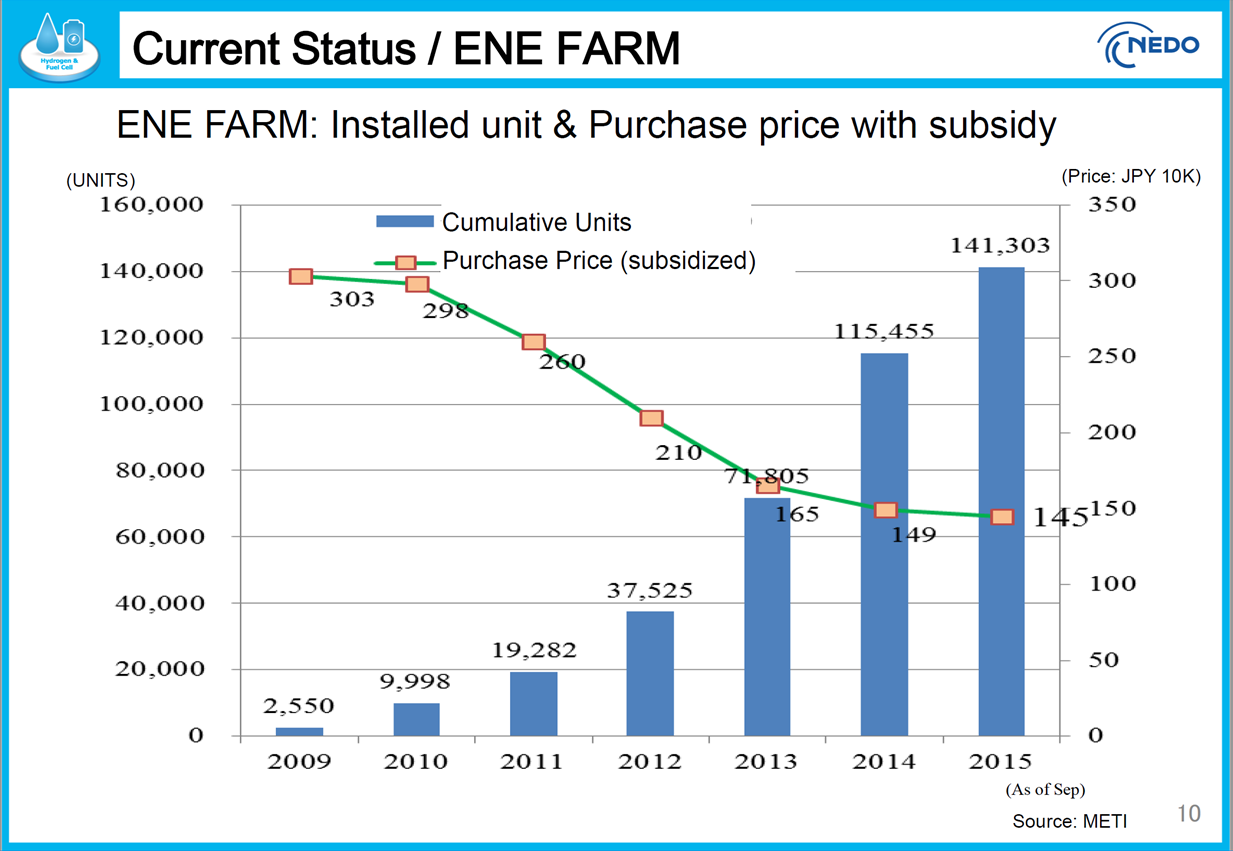
Last week Kaden Watch, a Japanese Web site for appliance news, reported that Tokyo Gas had delivered its 80,000th Ene Farm residential fuel cell system. This small news item, delivered by a niche media outlet, lifts a critical corner of the decidedly “big-tent” story of Japan’s strategy to develop a hydrogen-based energy economy. How the Ene Farm topic develops is likely to be a major factor in Japan’s ability to sustain its hydrogen vision -- and possibly a determinant of the role ammonia could play within it.

Second Day Added to NH3 Energy+ Conference
Article

The “NH3 Energy+: Enabling Optimized, Sustainable Energy and Agriculture” Topical Conference, originally conceived as a one-day event, has been extended to a second day, according to NH3 Fuel Association (NH3FA) President Norm Olson. “NH3 Energy+” is the 2017 edition of the NH3 Fuel Conference that has been held every year since 2004. This year it will be held under the auspices of the American Institute of Chemical Engineers’ Annual Meeting in Minneapolis in the U.S.