Power Generation
ACWA Power and POSCO join forces on ammonia
Saudi-based ACWA Power and South Korean-based POSCO will join forces to develop new hydrogen and ammonia production projects, with an eye towards decarbonising POSCO’s power generation and steel making activities in South Korea. The pair are already significant players in the ammonia energy space, with POSCO setting ambitious goals for production & imports, and ACWA involved in multiple mega-projects in the Middle East.
Mainspring: ammonia-fed, “linear” power generators
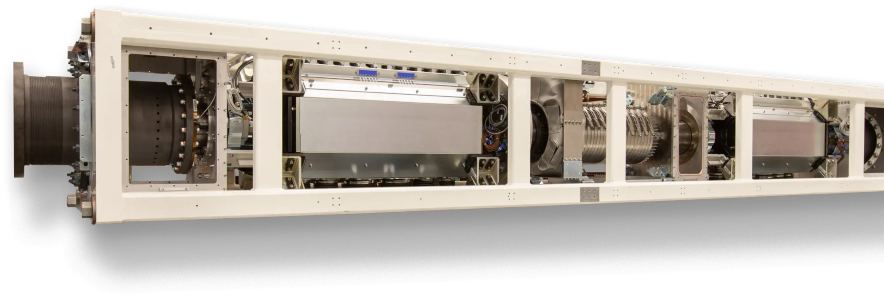
US-based Mainspring Energy has announced successful testing of pure ammonia fuel in its Linear Generator technology. Running on pure (anhydrous) ammonia, the overall system efficiency was 1% higher than conventional gas fuels, and Mainspring indicates that “off-the-shelf” technology available for current gas turbine models can yield NOx emissions that “meet any permitting standard”. Mainspring aims for its product to displace diesel-powered backup generators in a variety of applications.
Dual-fuel ammonia for power generation in South Korea
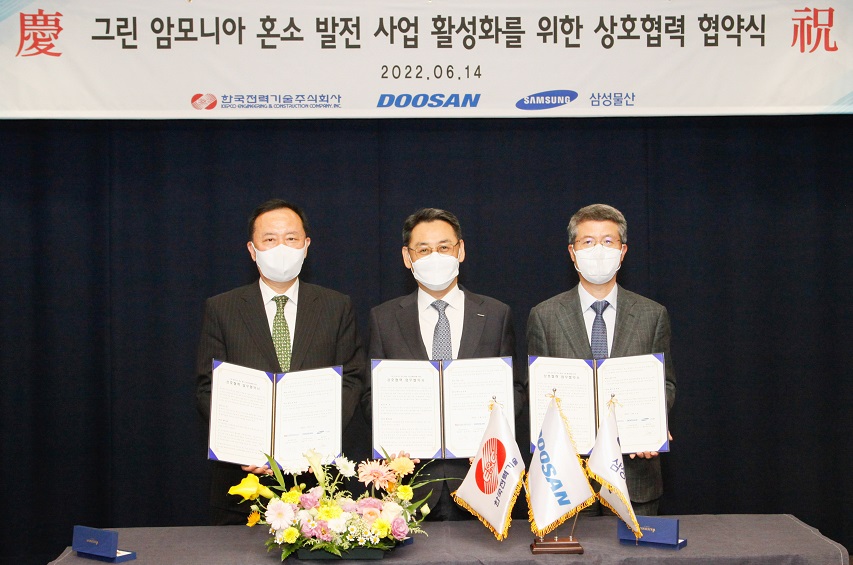
Doosan, KEPCO and Samsung will join forces to jointly develop a “dual-fuel green ammonia” power generation model that can be rolled out to 1 GW power plants in South Korea. In the trio, Doosan is charged with the development of ammonia dual-fuel boilers, indicating that coal co-firing is the target of the model rollout. As part of a different agreement, Doosan is also involved in ammonia-hydrogen gas turbine development with POSCO and KEPCO.
Renewable ammonia production on Curaçao and the Canary Islands
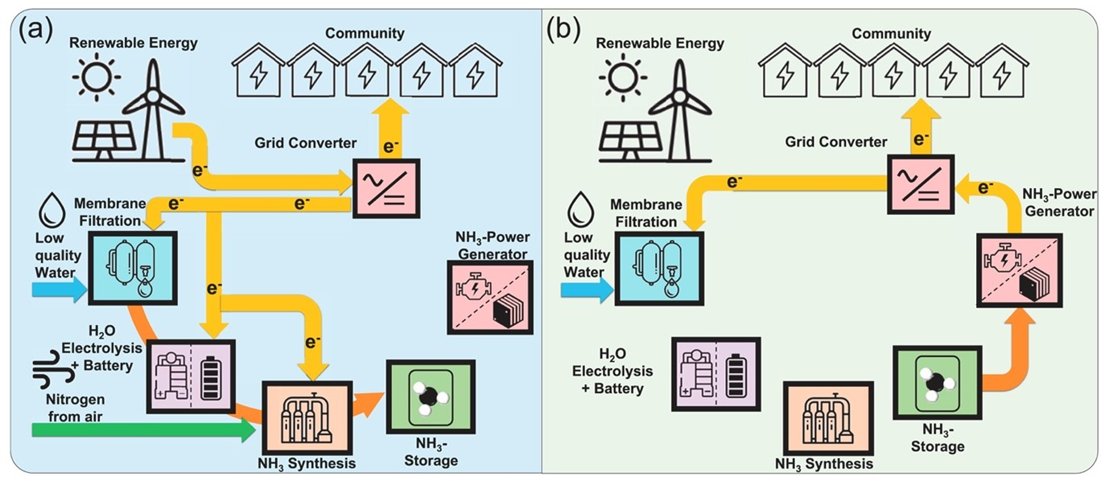
Two sets of academic analyses highlight the huge potential for renewable energy and ammonia fuel to wean island states off fossil fuel use. Researchers from the University of Twente propose a highly-integrated energy generation and storage system for the Caribbean nation of Curaçao, with battery storage and ammonia fuel to offset periods of low wind-power output. On the Canary Islands, researchers from the University of Las Palmas de Gran Canaria present their concept for a “hexa-generation” energy system to produce electricity, water, hydrogen, oxygen, nitrogen and - ultimately - ammonia.
South Africa launches Hydrogen Society Roadmap
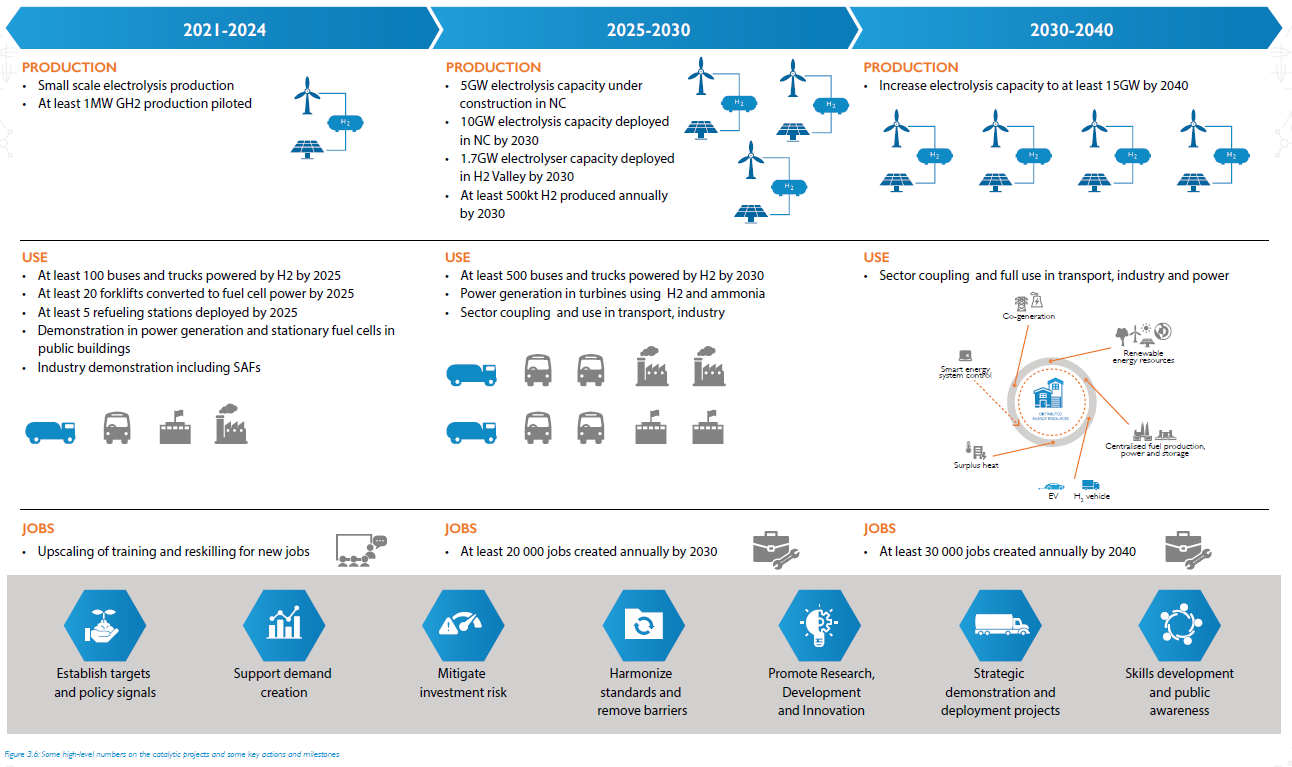
Four "catalytic" projects will provide momentum for the new roadmap, driving the rollout of at least 15 GW of electrolysis capacity between them by 2040. Ammonia is a feature of all these kick-off projects, and the government sees ammonia's primary role in the transition as decarbonising energy-intensive industries in South Africa.
GenCell to roll out its ammonia-fed, off-grid power solution
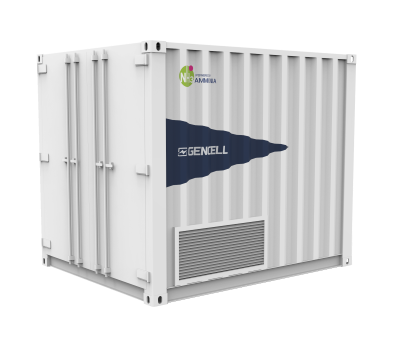
GenCell Energy has announced its ammonia-fed, off-grid power generation system will be widely available to commercial customers next year, with a select number of units to be deployed in 2022. The GenCell FOX™ is an updated version of the A5™ containerised system, and is designed for use in the telecom sector: especially for remote installations with no access to grid power and which need to operate in harsh weather conditions.
Mitsubishi & Mitsui O.S.K. complete ammonia bunkering study
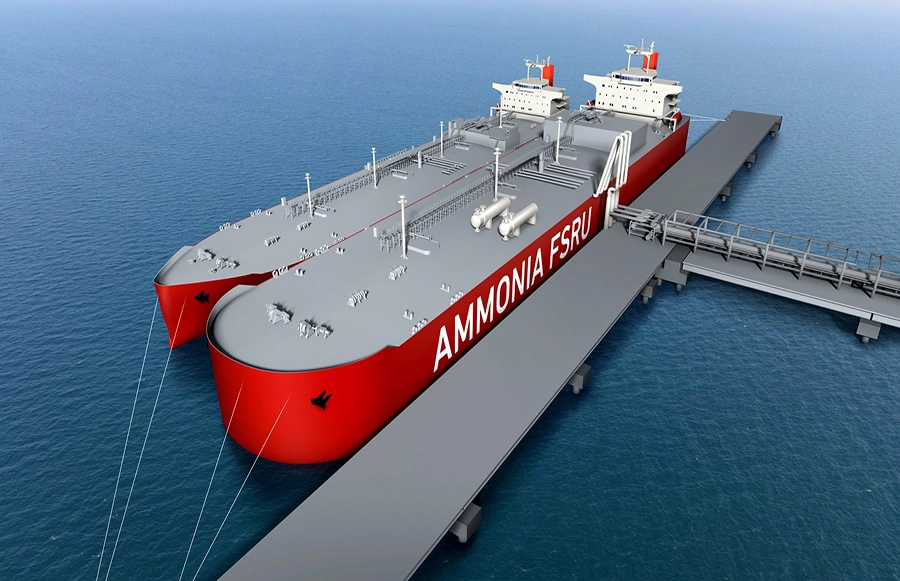
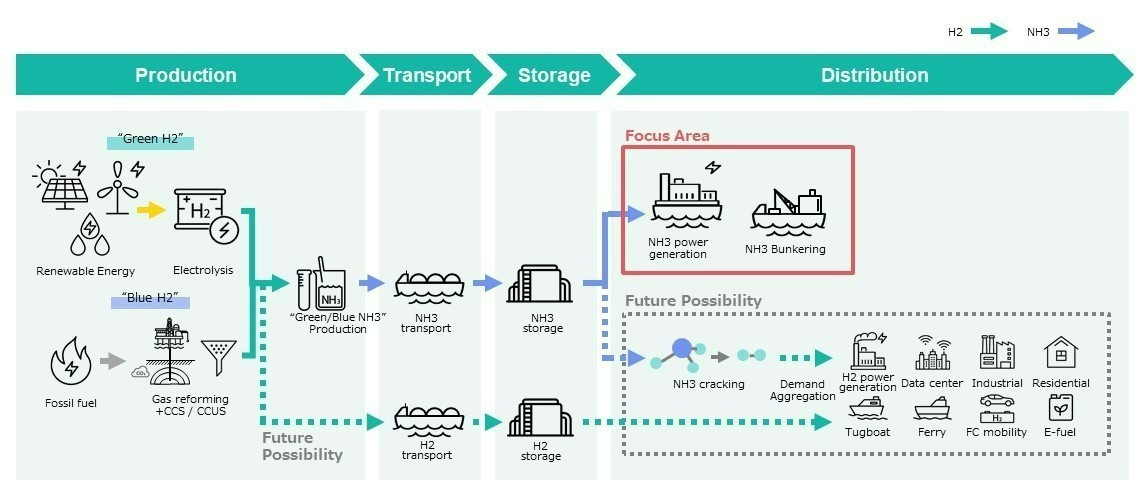
This week Mitsubishi Heavy Industries (via subsidiary Mitsubishi Shipbuilding) & Mitsui O.S.K. Lines completed a joint study on the use of floating storage and regasification units (FSRU) for ammonia bunkering. FSRUs open up a suite of new options for future bunkering setups - particularly power generation applications.
Sumitomo looks to ammonia-fueled shipping & bunker fuels
Sumitomo and Oshima Shipbuilding will jointly design & develop an 80,000 m3, ammonia-fueled dry bulk carrier, to hit the water by 2025. In a separate agreement, Sumitomo and Keppel O&M will work together to implement ammonia fuel bunkering in Singapore, with the aim to begin commercial operations in the mid-2020s. Development of a bunkering vessel and a full ammonia value chain (including offshore power generation) is central to the Keppell partnership.
Ammonia combustion analysis: powertrains, turbines & power generation
This week we explore four updates in ammonia combustion R&D:
1. A team from the University of Cambridge has shown merchant vessels are the strongest candidates for conversion to run on ammonia powertrains, with cargo capacity losses of 4-9% able to be feasibly offset by operators.
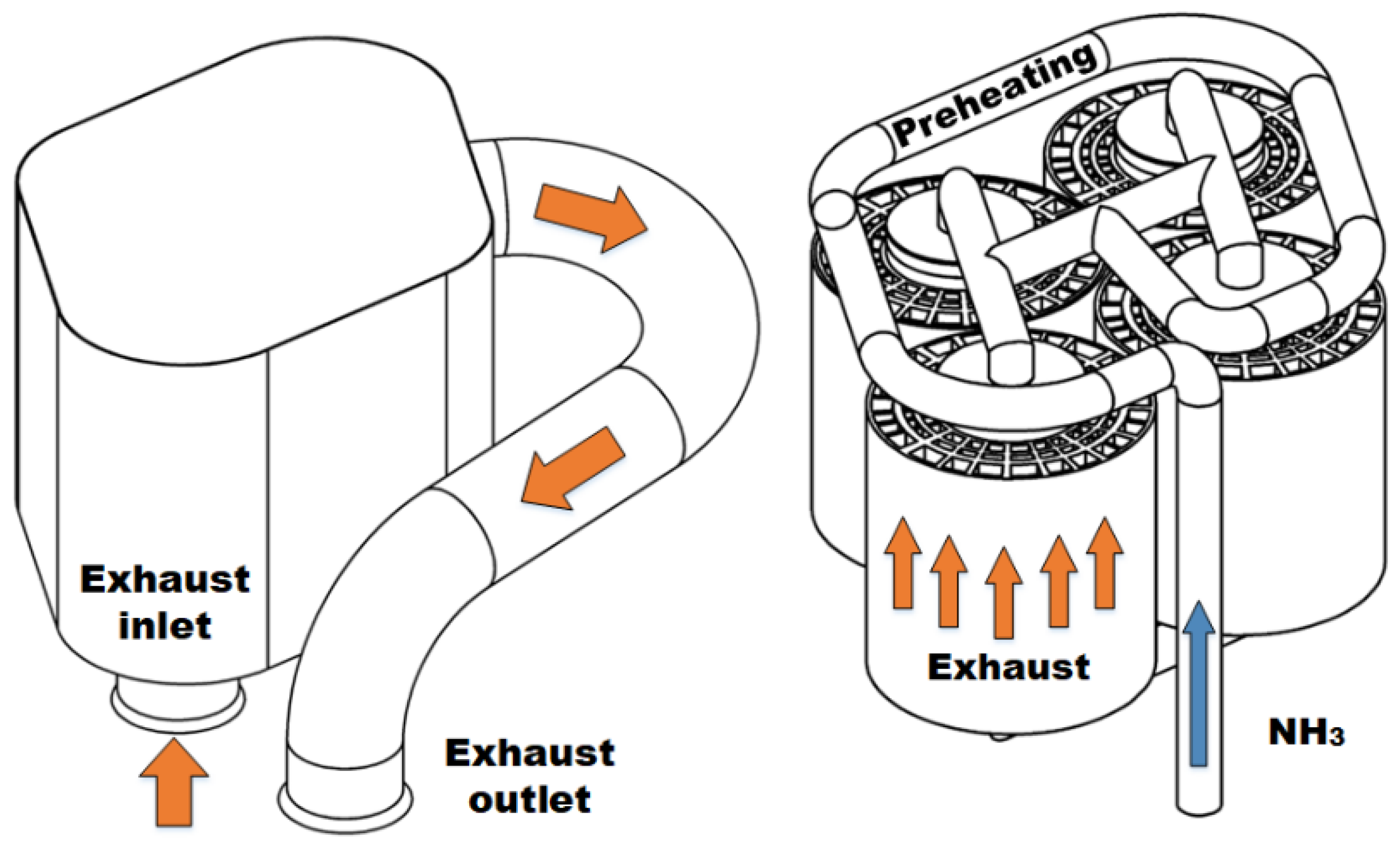
2. Researchers at the University of Minnesota have successfully tested a thermochemical recuperation (TCR) reactor to improve the efficiency of a dual-fuel, diesel-ammonia compression ignition engine by minimising ammonia slip.
3. A global team led by Cardiff University researchers has revealed some of the inner workings of ammonia combustion in gas turbine flames.
4. A global team has produced a cradle-to-gate environmental assessment for ammonia production and ammonia-based electricity generation, suggesting that renewable and nuclear ammonia have a significant role to play in decarbonising the power sector.