Site items in: Maritime Fuel

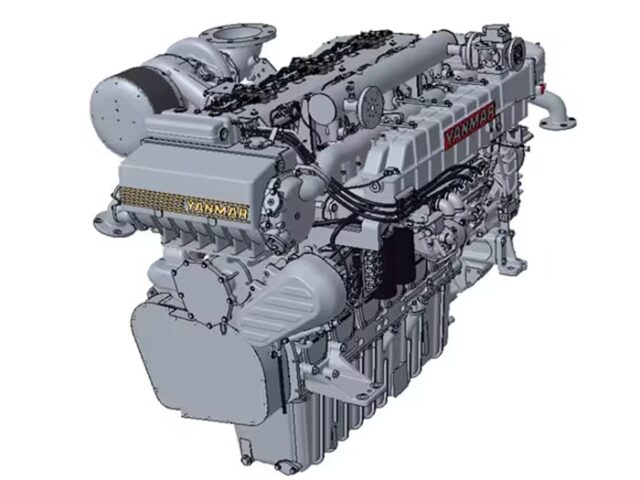
Wärtsilä ammonia engine to power the <i data-lazy-src=
Article

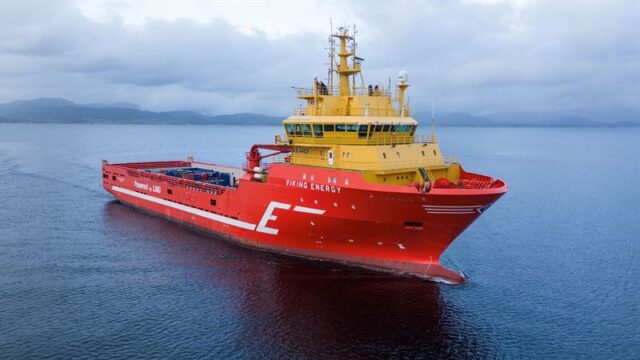
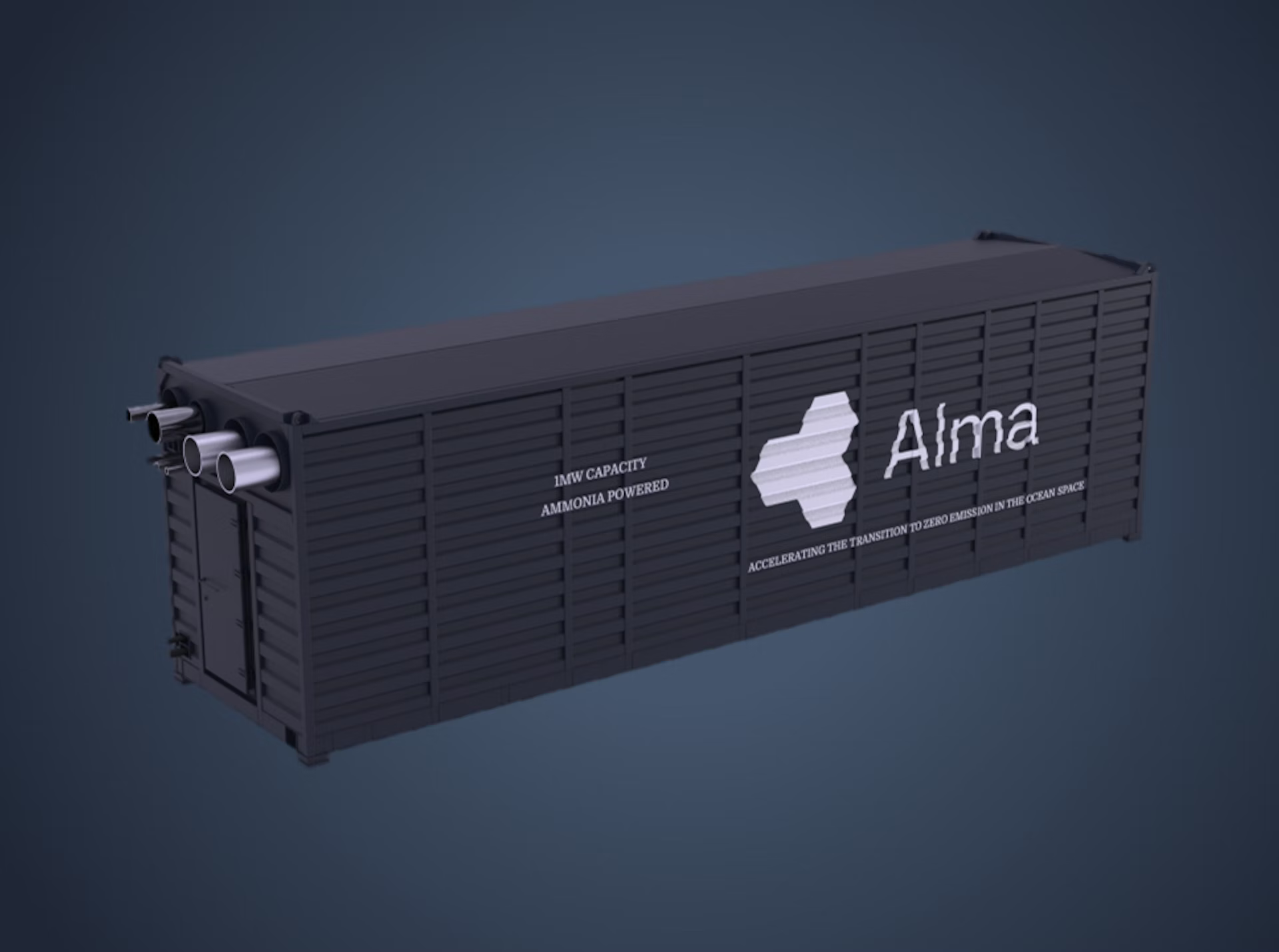
Wärtsilä has been contracted to supply the total technology package for the conversion of the Viking Energy to run on ammonia fuel. The original plan to retrofit the vessel with a 2 MW solid oxide fuel cell system was delayed by supply chain and development challenges, but SOFC developer Alma Clean Power will continue to test and scale its direct ammonia-fed technology for maritime applications.
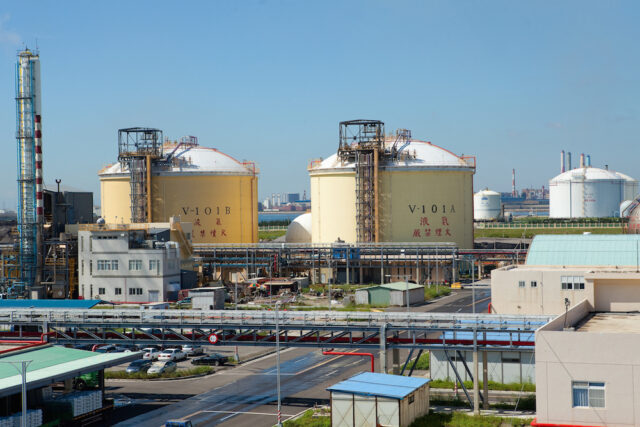
Ammonia takes key role in Taiwan’s energy transition strategy
Article

We highlight ammonia developments in Taiwan in line with the island nation’s plans to achieve net-zero emissions by 2050:

  • Taiwan’s largest fertiliser manufacturer, Taiwan Fertiliser Company, will collaborate with ammonia industry giants Mitsubishi Heavy Industries and IHI Corporation to develop a low-carbon ammonia supply chain.
  • Taipower, IHI and Sumitomo have an agreement in place to develop a 5% ammonia-coal co-firing demonstration project at Taipower’s Dalin Power Plant by 2030.
  • And ITOCHU and U-Ming Marine Transport’s partnership for the joint ownership and operation of ammonia-fueled ships.

FuelEU: countdown to entry into force
Article

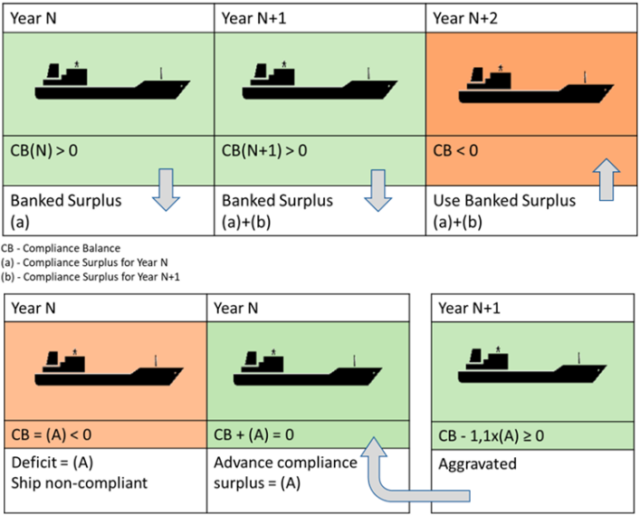
The FuelEU Maritime Regulation is set to launch on August 31, requiring companies to submit monitoring plans ahead of its full implementation in January 2025. With modest initial targets and sophisticated compliance mechanisms like banking, borrowing, and pooling, the scheme offers flexibility while driving innovation in sustainable maritime technologies. The scheme also offers extra incentives for companies to proactively embrace Renewable Fuels of Non-Biological Origin (RFNBOs), before mandates enter into force next decade.

Trammo to offtake renewable ammonia from northern Australia
Article

Trammo will purchase up to 100% of renewable ammonia produced by Allied Green Ammonia in the Northern Territory, Australia, with the first ammonia sales anticipated to occur in late 2028. In further news for AGA’s project, Germany-based EPC firm SPG Steiner will supply two 40,000 ton, cryogenic tanks to store ammonia production before offtake.

R&D recap: the <i data-lazy-src=
Article

Ahead of the 3rd Symposium on Ammonia Energy in Shanghai next month, we take the opportunity to highlight select papers and key results from the first two editions, starting with the 2022 Cardiff event:

  • In an ammonia-diesel blending study, Orleans University and WinGD found that minimising the diesel fraction actually led to increased N2O emissions.
  • In a bid to produce an optimal ammonia-hydrogen fuel blend, a University of Birmingham team characterised the ammonia cracking mechanism of a new, transition metal-promoted lithium amide catalyst.
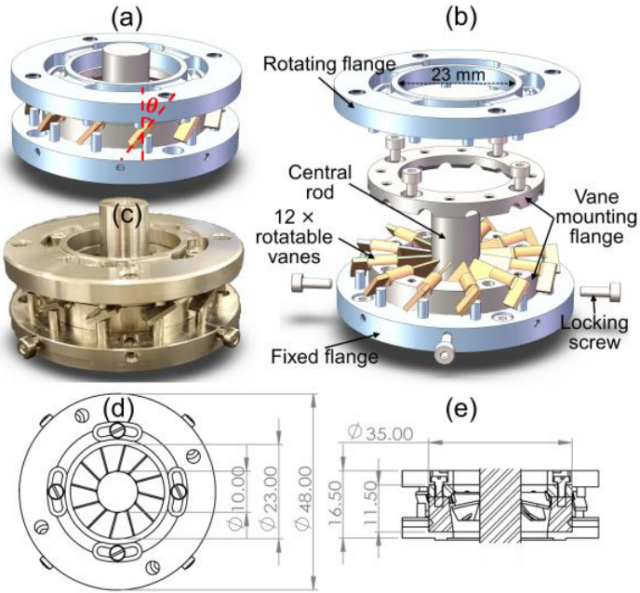
  • A KAUST study of swirl intensity of an ammonia-methane blended fuel finds that increasing the swirl number leads to a more compact flame, reducing NOX emissions.
  • A team from the University of Minnesota found that combustion durations comparable to gasoline were obtained for ammonia-hydrogen fuel blends.
  • And, as part of a joint academic-industry session on safety, it was recommended that a careful, proactive approach is taken towards new ammonia users, likely exposure risk points and deploying maritime ammonia fuel.