Site items in: Maritime Fuel

Article

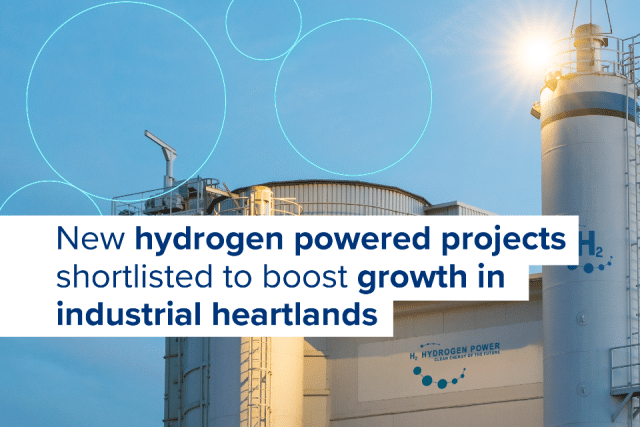
27 low-emission hydrogen projects have been shortlisted for funding by the UK’s Department for Energy Security and Net Zero, including Statkraft’s marine ammonia fuel project in Shetland. The UK government has also confirmed that it will exempt electricity used in electrolysis from the Climate Change Levy - one of fourteen policy recommendations from the authors of the Splitting the Difference roadmap to reduce the price of producing electrolytic hydrogen in the UK by 58%.

Article

At Singapore Maritime Week, Maritime & Port Authority of Singapore and Australia’s national science agency CSIRO announced funding for eight maritime decarbonization projects, including ammonia safety training, and an AI-based safety management system. MPA also signed agreements with ABS, the Ports of Rotterdam and Antwerp-Brugges, and confirmed it has contributed to early work on training guidelines for the safe handling of methanol and ammonia at the IMO.

Article

The Zero Emission Maritime Buyers Alliance has launched its second tender process for decarbonized fuels. Starting in 2027, the tender aims to cover multi-year cargo shipping demand equivalent to 1.5 million loaded, twenty-foot shipping containers transported from Shanghai to Los Angeles.

Article

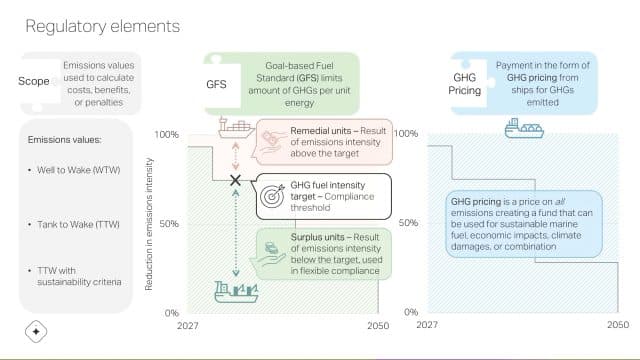
2025 is a critical year for the adoption of ammonia fuel in shipping. Here, we preview important upcoming meetings of the International Maritime Organization, what regulatory gaps are being filled by this work, potential candidates for decarbonization measures, and progress in engine development. All this sets the scene for incredible progress to be made in the coming years.