Low-carbon Fertilizers
Solar ammonia, available in Spain from 2021
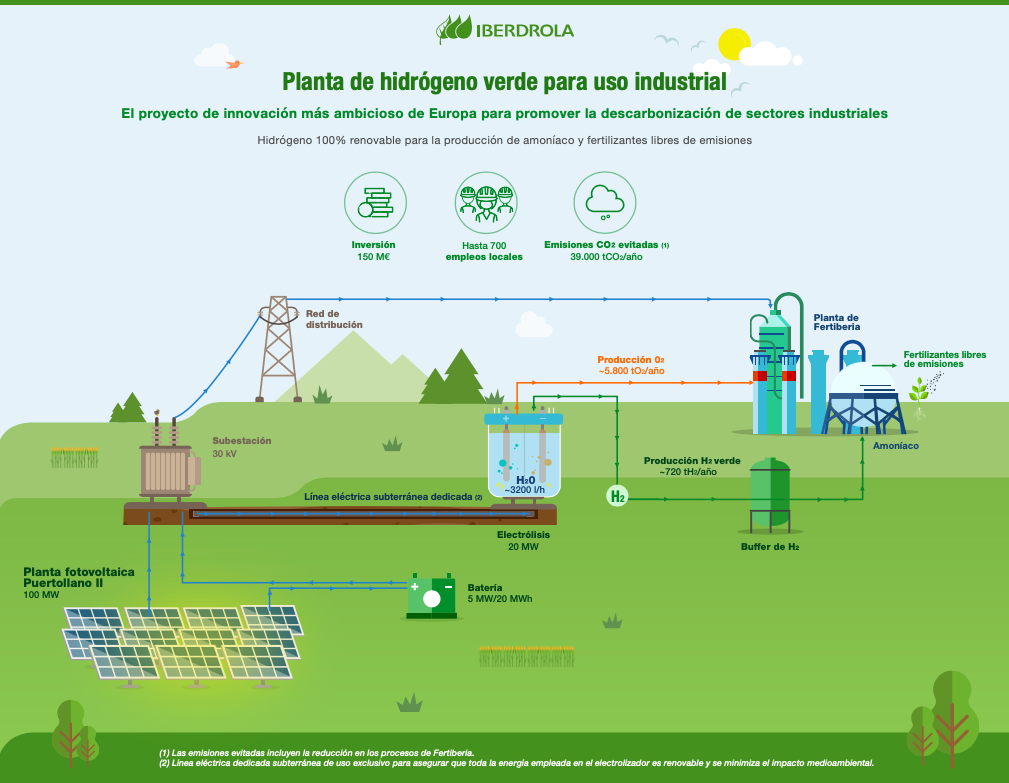
Last week, Iberdrola and Fertiberia announced plans to start producing green ammonia for “fertilizantes libres de emisiones” (emission-free fertilizers). Iberdrola will invest EUR 150 million to build the 100 MW “Puertollano II” solar field, with a 20 MW electrolyzer bank to produce renewable hydrogen. Fertiberia will “update and modify” its existing Puertollano plant to consume this green hydrogen, reducing its natural gas use by “over 10%,” and producing green ammonia beginning in 2021.
Decarbonized Ammonia for Food and Energy
Simulation of an Ammonia Plant Integrated with the Allam Cycle for Commercial Production of Ammonia and Power
Reducing the Carbon Footprint of Ammonia As Green Energy Carrier
Life-cycle analysis of green ammonia and its application as fertilizer building block
The fertilizer industry is learning to love green ammonia
ANNUAL REVIEW 2019: Green ammonia is no longer a lonely venture for Yara, which used to appear alone among fertilizer producers in its desire to reduce carbon dioxide emissions from ammonia plants. While dozens of green ammonia demonstration projects and prototype technologies have been demonstrated in recent years, this progress was mostly achieved by energy companies and technology start-ups - and Yara. In the last year, however, fertilizer producers on five continents have begun feasibility studies, launched pilot demonstrations, or simply gone ahead and re-engineered their ammonia plants to replace fossil fuel inputs with renewable hydrogen.
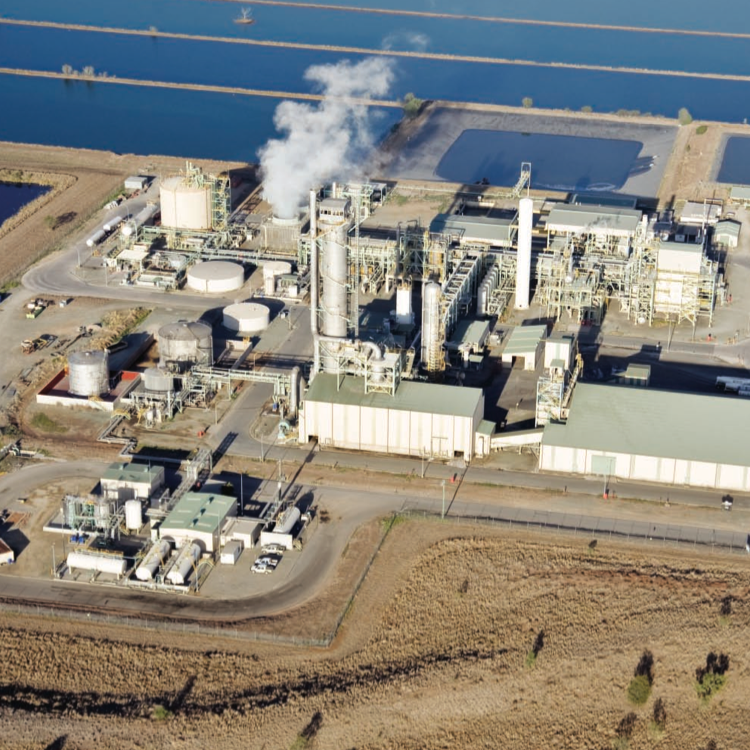
Green Ammonia Plants in Chile, Australia, New Zealand
Green ammonia plants are being announced quicker than I can report. Here is a summary of four new projects that propose to use electrolyzers, fed by renewable power, to produce hydrogen for ammonia production. These are big companies, operating in regions with excellent renewable resources, making significant investments in their future. In Chile, it is Enaex, a major ammonium nitrate manufacturer, supplying explosives to the mining industry. In Australia, it is Incitec Pivot, "the second largest supplier of explosives products and services in the world," and Wesfarmers, "the largest Australian company by revenue," according to Wikipedia. In New Zealand, it is Ballance-Agri Nutrients, a big farmers' co-operative and the country's sole fertilizer producer. Each aims to make its business "future-proof." The transition from fossil ammonia to renewable ammonia is underway.
Green hydrogen feed for Haber Bosch ammonia synthesis
Feeding Life 2030: the vision of Fertilizers Europe
Fertilizers Europe published an important report in late 2018 that examines key drivers for the fertilizer industry and describes the "likely developments expected between now and 2030." These developments include producing "perhaps 10%" of European ammonia from renewable electricity by using electrolyzers to generate renewable hydrogen feedstock. This would require scaling up green ammonia production capacity to more than a million tons per year, within ten years. The report, Feeding Life 2030, also describes the policy framework required "to sustain the Vision." In this vision, ammonia sits at "the crossroads of nutrition and energy" and is recognized as "the ‘missing link’ in the coming energy transformation."