Site items in: Infrastructure

Article

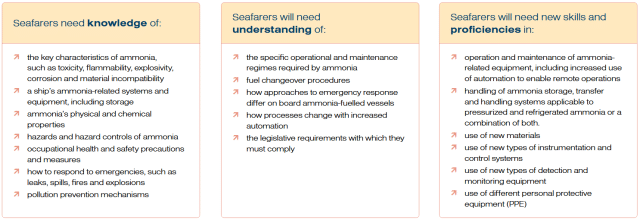
Already in 2025, we have seen multiple initiatives launched and resources released to contribute to seafarer training ahead of the first ammonia-fueled vessels. Here, we explore the IMO’s first training guidelines, a new bunker training facility in India, and a safe procedures manual for ammonia bunkering developed by Copenhagen Infrastructure Partners.

Article

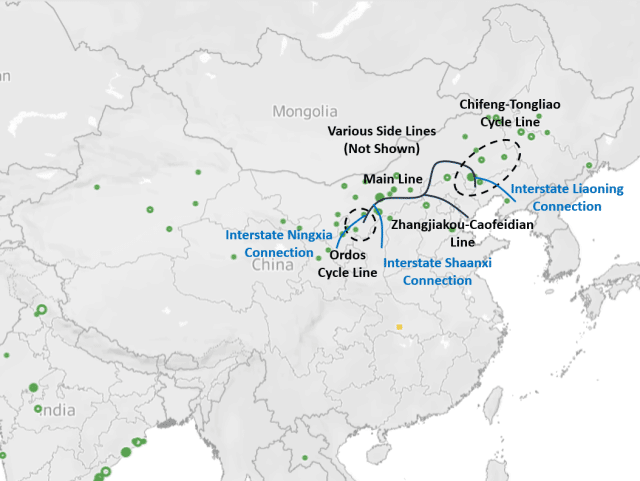
The Energy Bureau of Inner Mongolia has released plans for a common-user hydrogen pipeline infrastructure network throughout the region. This will support development of a series of renewable ammonia projects, and adds to the growing list of hydrogen pipeline projects across China. To transport the ammonia to key future demand centres (such as power plants and ports), ammonia pipelines may be the next step.

The view from Japan: 2025 shaping as a pivotal year for ammonia energy
Article

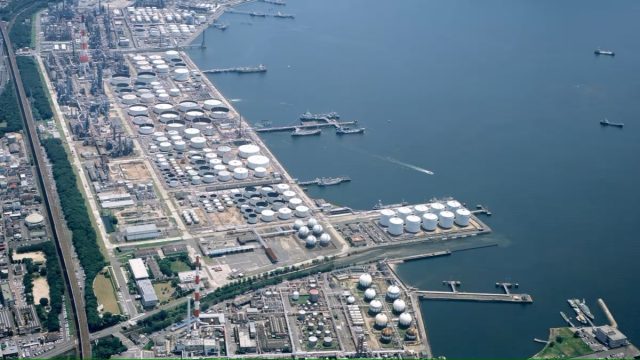
In 2025, the pieces are rapidly assembling to enable and accelerate imports of ammonia energy to Japan. This year, government agency METI is due to announce two lots of key funding, including contracts for difference subsidies and development of import infrastructure. Power generation technologies will be commercialised within the next few years, and more maritime players are joining the push to deploy ammonia fuel in Japanese ships.

Trinidad & Tobago: future production pathways for the world’s largest ammonia exporter
Article

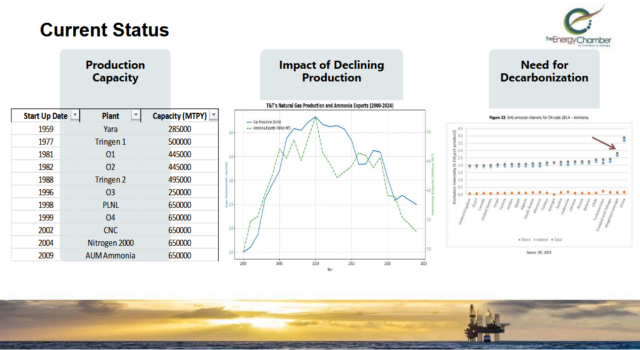
To explore Trinidad & Tobago' s existing ammonia production capacity and the new imperative to decarbonize, the Energy Chamber of Trinidad & Tobago and Argus Media joined Project Features last month. To maintain its market share in key export destinations and meet climate goals, Trinidad & Tobago has a series of decarbonized ammonia projects underway, including the use of wind, solar and gas-based CCS pathways.

H2Global prepares for second auction round
Article

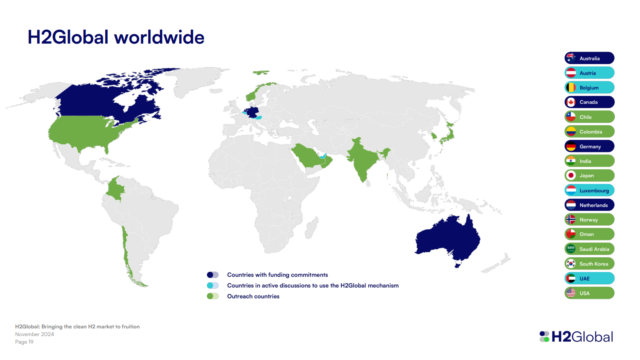
H2Global’s new €3 billion auction for long-term supplies of renewable hydrogen and its derivatives has received EU approval, including €1.2 billion for regional funding in Canada and Australia. H2Global also progressed partnerships with the Tokyo Metropolitan Government, and the Solar Energy Corporation of India.