Site items in: Infrastructure

Production technology updates: from mega-scale to distributed ammonia
Article

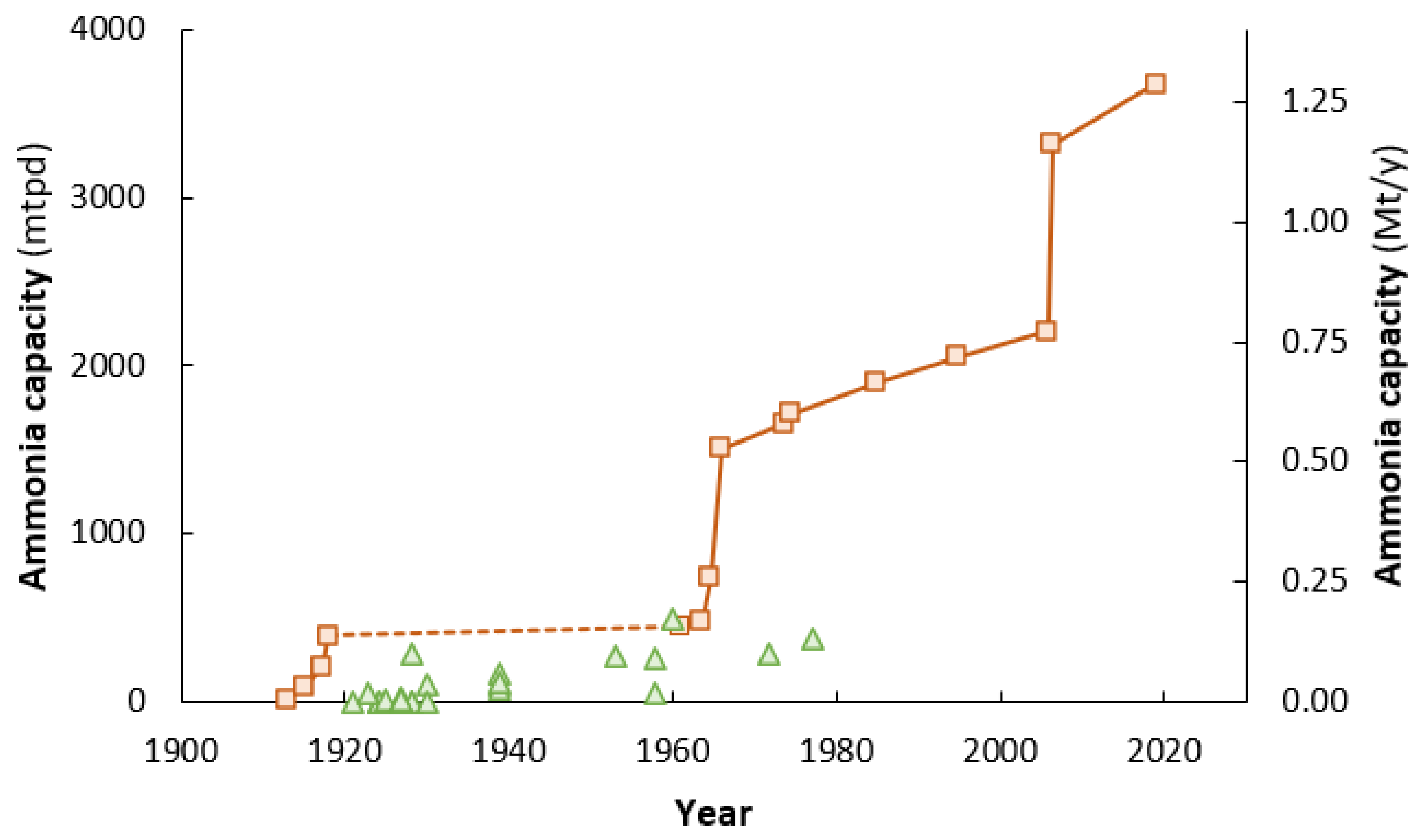
Recently, KBR launched its Ammonia 10,000 technology for newbuild ammonia plants, tripling the largest available single train capacity to 10,000 metric tonnes per day. In our latest Technology Insights article, we explore the other pieces of the puzzle required for mega-scale ammonia, as well as some updates from the other end of the spectrum, with three distributed, small-scale ammonia synthesis systems under development in North America.
Vopak explores new ammonia infrastructure in Singapore, the Netherlands
Article

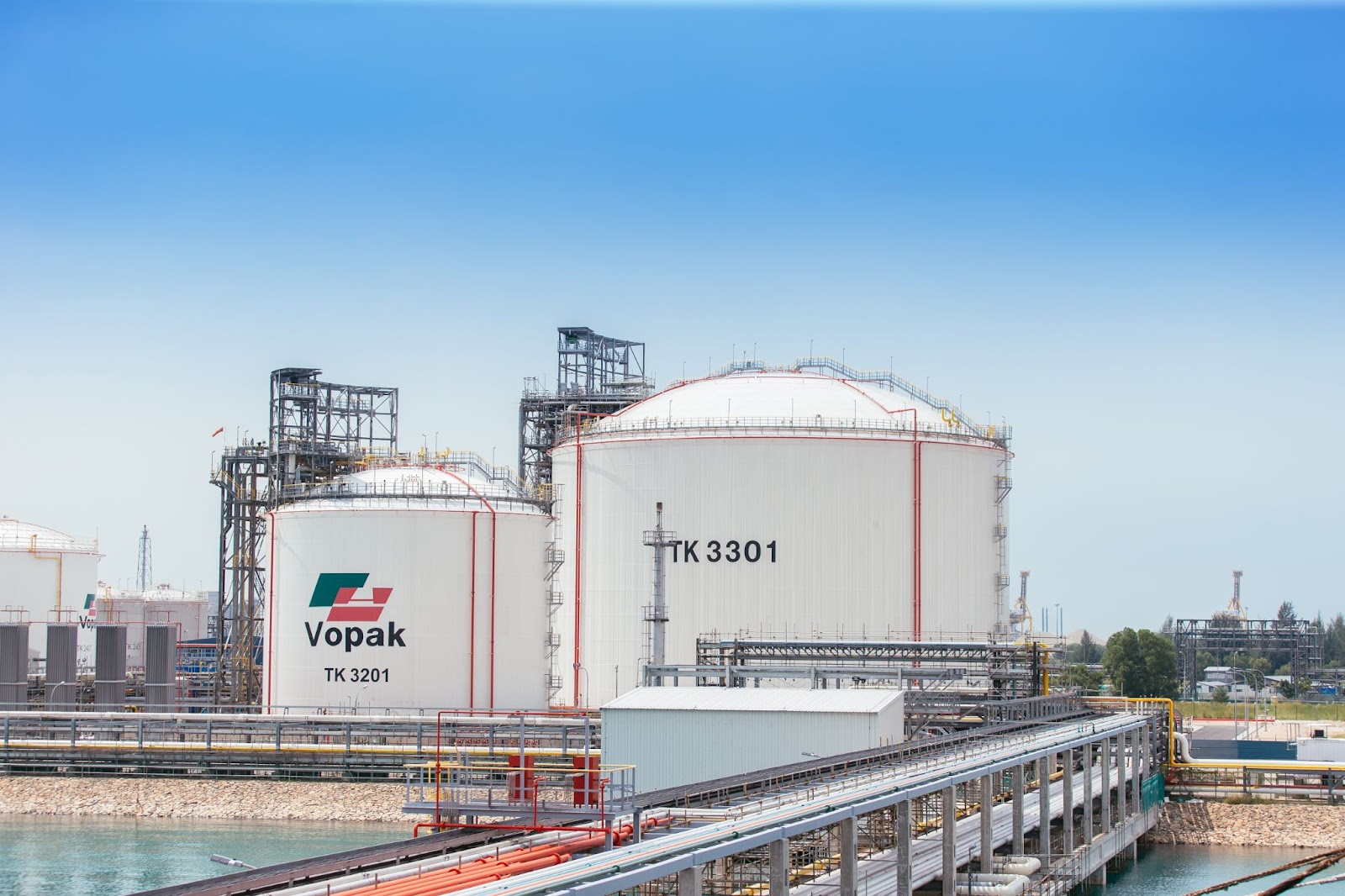
Vopak Singapore will explore options to expand ammonia infrastructure at its Banyan terminal on Jurong Island, Singapore. Vopak has been investigating infrastructure upgrades to enable maritime ammonia bunker fuel in Singapore since 2020, and will invest €1 billion by 2030 into “new energies”, including low-carbon and renewable hydrogen & ammonia. In the Netherlands, Vopak is currently converting two existing refrigerated LPG storage tanks to receive ammonia imports at the North Sea port of Vlissingen.

New CCS partnerships in the USA
Article

This week we explore three new partnerships for CCS-based ammonia production in the USA:

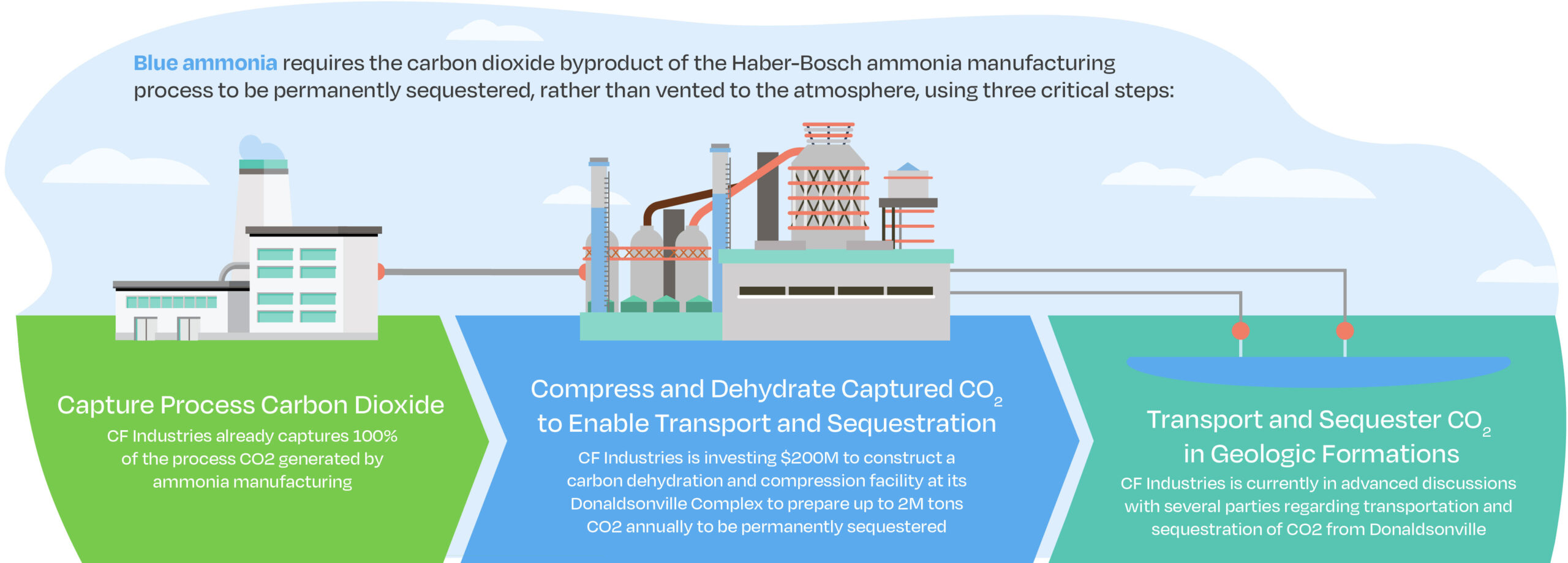
  • CF Industries, ExxonMobil & EnLink Midstream, for decarbonisation of the Donaldsonville production plant in Louisiana.
  • Air Liquide, Chevron, LyondellBasell, and Uniper for a new production facility on the Gulf Coast.
  • And Tallgrass & Equinor for the potential production of hydrogen and ammonia across the USA, leveraging Tallgrass’ existing infrastructure network.

Renewable ammonia in Northwest Africa
Webinar

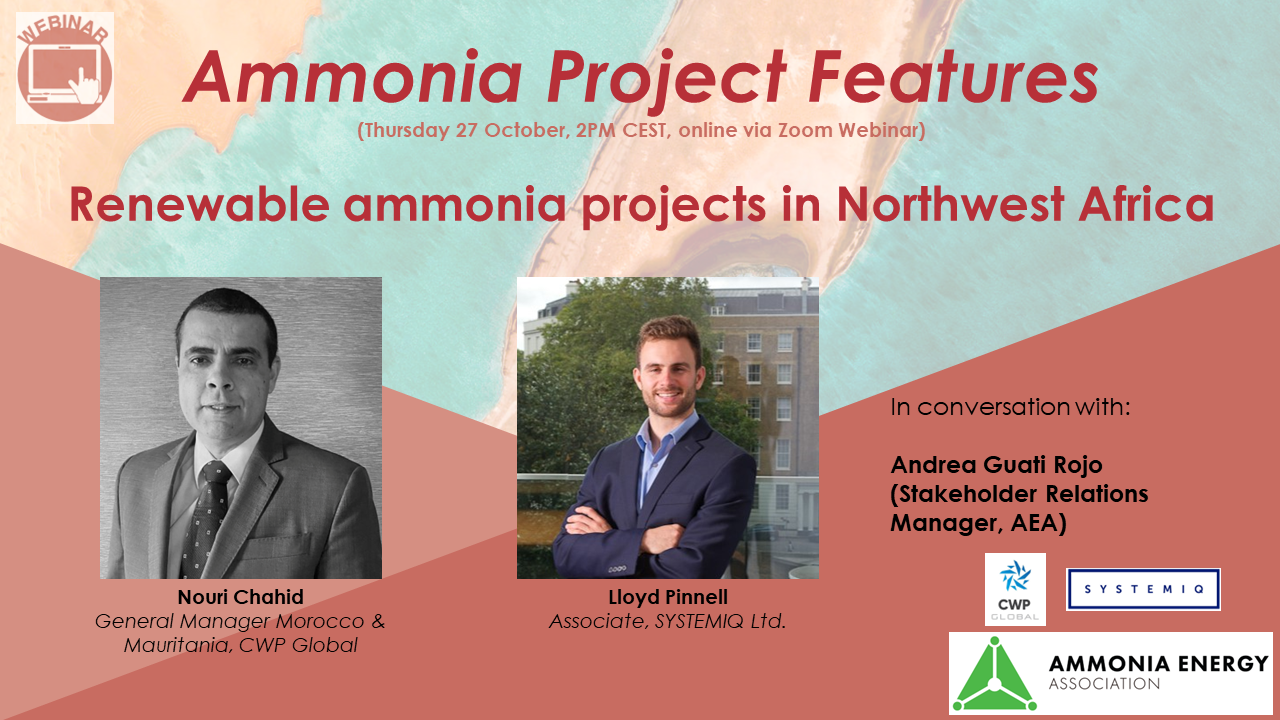
Meet CWP Global, developers of 30 GW of wind & solar in Mauritania (the AMAN project), and 15 GW of wind & solar in Morocco (AMUN project), with both projects focused on renewable ammonia production. To explore the social-economic benefits of these projects, hear from SYSTEMIQ.

Cepsa and Port of Rotterdam to create a green maritime corridor from the Mediterranean
Article

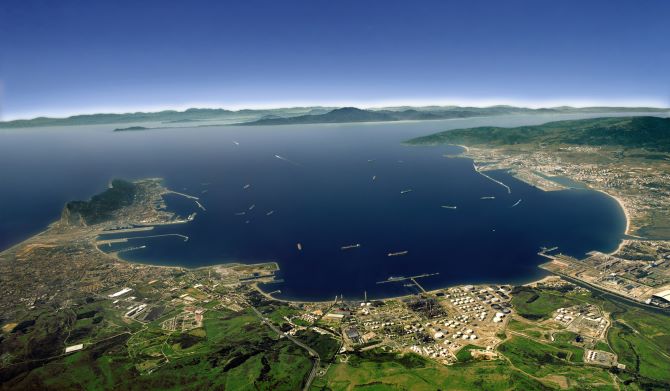
Cepsa and the Port of Rotterdam will establish a green maritime corridor between southern and northern Europe. Renewable hydrogen will be produced near the Bay of Algeciras (Spain) and exported to Rotterdam, with ammonia and methanol both listed as potential vectors. The pair expect the corridor to be operational by 2027. This week the Port of Rotterdam also announced that a potential green maritime corridor to the Port of Gothenburg, Sweden is under development.

Progress on renewable conversion project in Australia
Article

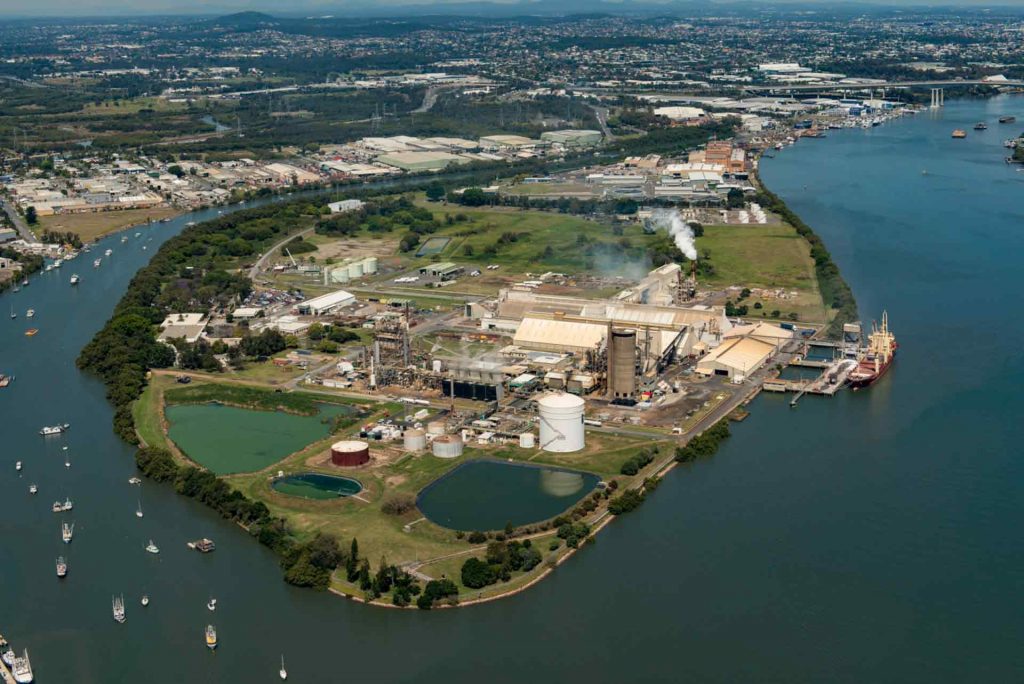
Fortescue Future Industries and Incitec Pivot will progress plans to convert the Gibson Island ammonia production facility to run on renewable hydrogen feedstock. A grant from Australian government body ARENA will help FEED work begin immediately, with FID expected around 2025. We also explore more renewable project updates from Peru and Chile.

New offshore export jetty design receives AiP
Article

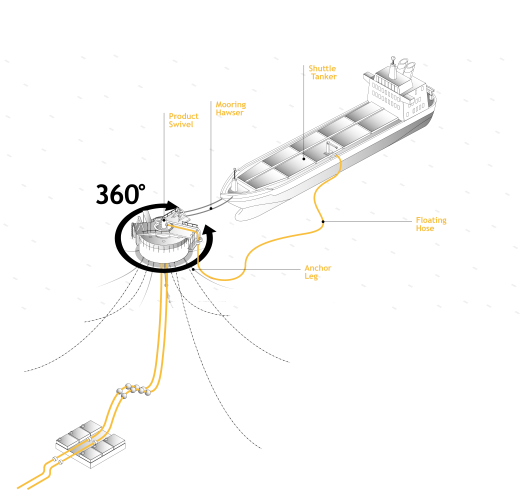
SBM Offshore and Imodco’s Ammonia CALM Terminal design has been granted Approval in Principle by DNV. The Catenary Anchor Leg Mooring (CALM) system was first deployed in 1959, and is an offshore buoy that keeps a vessel safely moored while transferring liquid cargo. The technology could enable the import & export of ammonia into remote locations, or where port infrastructure is not possible.

Maritime ammonia to link UAE, Canada
Article

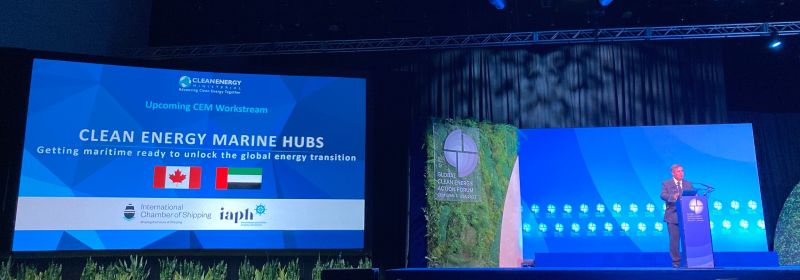
Canada and the UAE will collaborate as part of the new Clean Energy Marine Hubs (CEMH) initiative: a private-public platform launched by the Clean Energy Ministerial to accelerate deployment of alternative maritime fuels. This comes as the UAE government announced it is developing a new national hydrogen strategy with GHD Group and German research institute Fraunhofer-Gesellschaft.