Site items in: North America

Comparative studies of ammonia production, combining renewable hydrogen with Haber-Bosch
Article

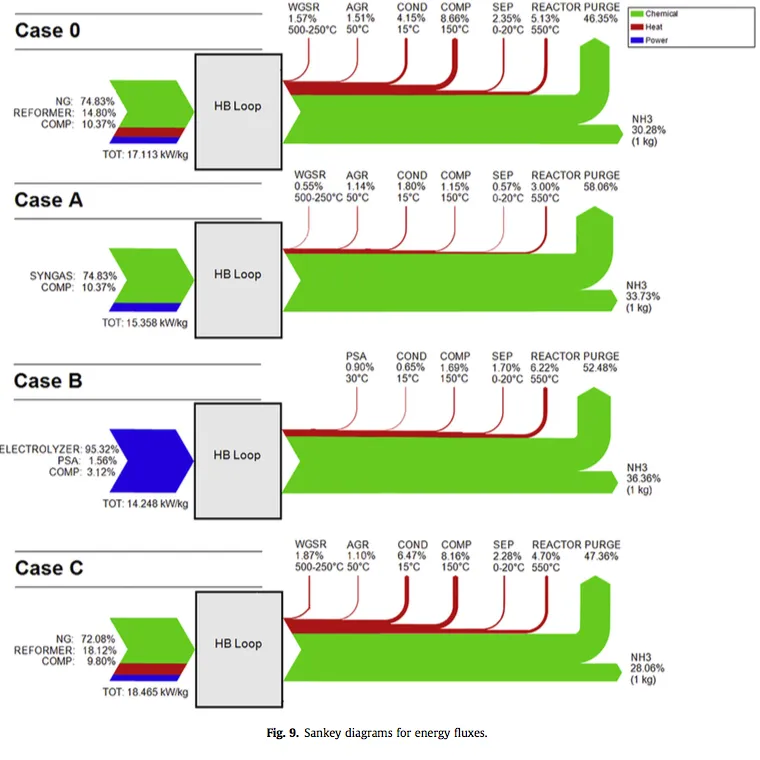
In recent months, research teams from both Canada and Italy have published comparative analyses of sustainable ammonia production pathways. These projects aim to quantify the costs and benefits of combining Haber-Bosch with a renewable hydrogen feedstock. Both projects examine the carbon intensity of ammonia production but, while the Canadian study broadens its remit to a full life cycle analysis, including global warming potential, human toxicity, and abiotic depletion, the Italian study focuses primarily on energy efficiency.

US DOE funding research into sustainable ammonia synthesis
Article

The US Department of Energy (DOE) is currently supporting six fundamental research projects that will develop "novel catalysts and mechanisms for nitrogen activation," which it hopes will lead to future sustainable ammonia synthesis technologies. These projects, announced in August 2016 and administered by the Office of Basic Energy Sciences, aim "to investigate some of the outstanding scientific questions in the synthesis of ammonia (NH3) from nitrogen (N2) using processes that do not generate greenhouse gases."

Methane to Ammonia via Pyrolysis
Article

Eric McFarland, Professor of Chemical Engineering at the University of California Santa Barbara, likes fossil fuels and nuclear energy and is unimpressed by the menu of renewable energy technologies.  But he is worried about climate change and he has an original view on how to modify our current energy system so that we don’t overload the atmosphere with CO2.  He believes the key will be to separate fossil hydrocarbons into gaseous hydrogen and solid carbon.  The chemistry he is developing in this area involves transferring “electrochemical potential” from hydrocarbons to alternative energy carriers.  Ammonia is an energy carrier that McFarland believes is especially promising.

U.S. EPA's Toxicological Review of Ammonia
Article

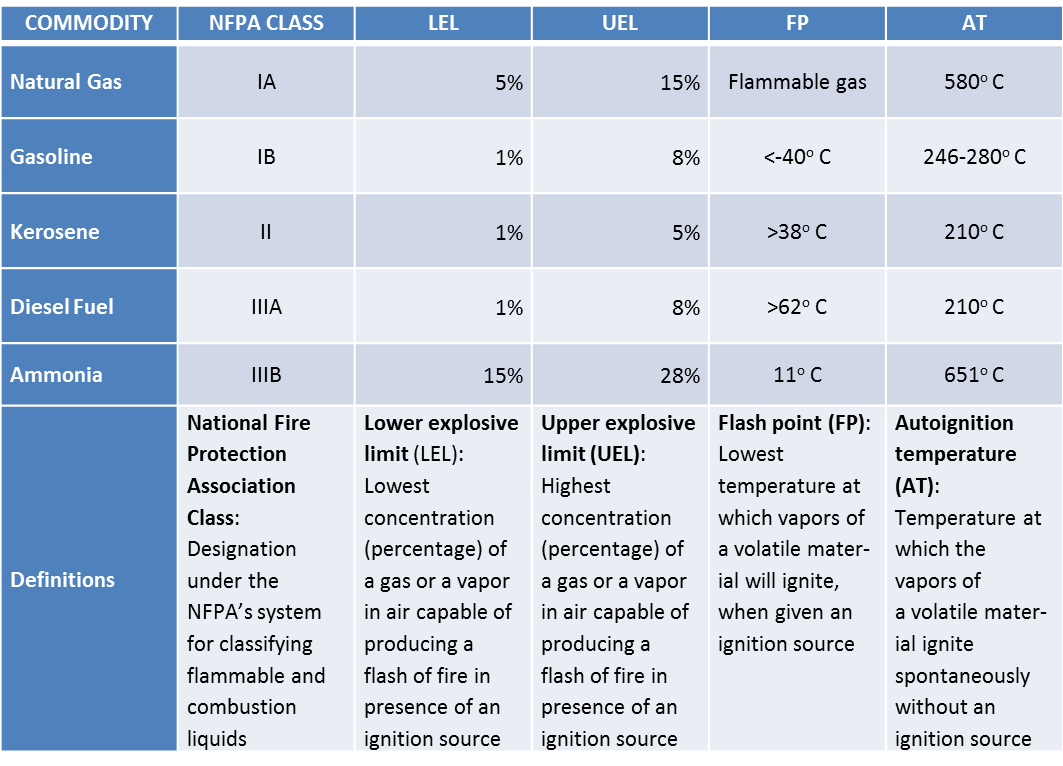
On September 20 last year, the U.S. Environmental Protection Agency (EPA) announced the release of the IRIS Toxicological Review of Ammonia - Noncancer Inhalation (Final Report). The Interagency Science Discussion Draft of the Ammonia IRIS Assessment and accompanying comments were also released. The report was the culmination of almost five years of work by the EPA and a specially convened Scientific Advisory Board. September 20 also happened to be the day of the Storage and Safety Session at the 2016 NH3 Fuel Conference. This is a striking coincidence because safety is seen as a key barrier to the adoption of ammonia as a sustainable energy carrier, and the report is a substantial contribution to the literature of ammonia safety.

ARPA-E's vision for carbon neutral liquid fuels
Article

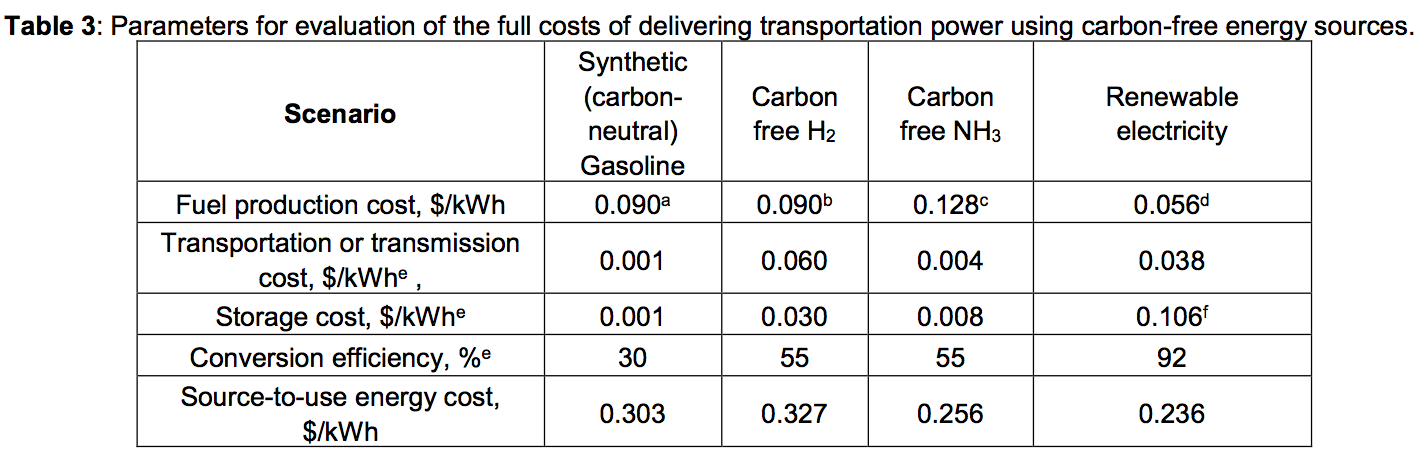
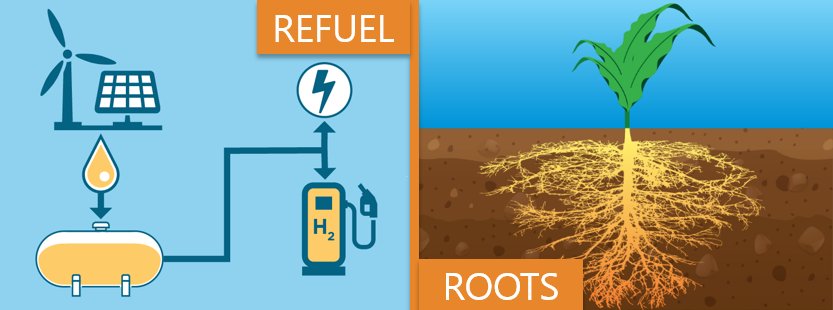
We wrote last month about the US Department of Energy funding ammonia fuel projects through ARPA-E's "REFUEL" program ("Renewable Energy to Fuels through Utilization of Energy-dense Liquids"). Although we introduced the funded projects in both the ammonia synthesis category and the ammonia fuel-use category, the REFUEL project merits further analysis as a whole because it describes a roadmap for the development of ammonia fuel systems, and identifies benchmarks for their commercial success.

Carbon Pricing and the Economics of Green Ammonia
Article

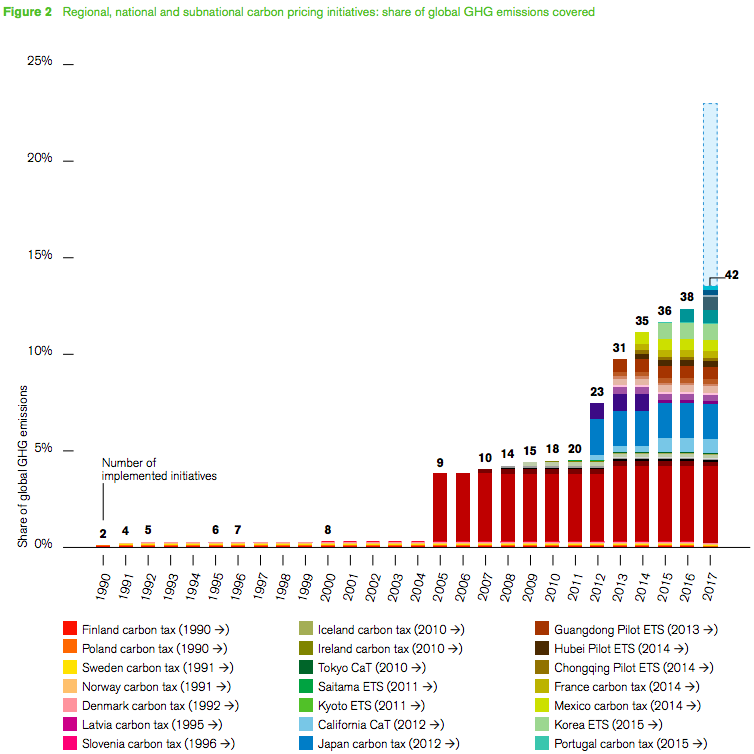
The United States Senate is expected to open confirmation hearings for Secretary of State nominee Rex Tillerson on January 11. Tillerson, newly retired from Exxon Mobil, became the chief executive officer of that company in 2006. He has attracted many labels since his nomination was announced, but “climate denier” is not among them.

REFUEL Ammonia Use-Side Funding Awards
Article

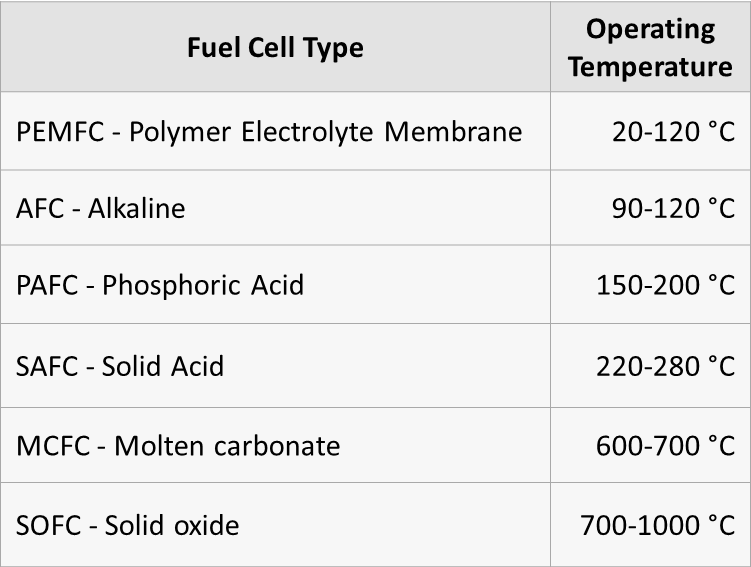
Six of the projects designated for funding by the ARPA-E REFUEL announcement on December 15 involve technologies on the use side of the ammonia energy space. Three focus on generating hydrogen from ammonia. Two focus on fuel cells that convert ammonia to electricity. One project involves both ammonia synthesis and use.

University of Minnesota's Ammonia Program
Article

The American Institute of Chemical Engineers (AIChE) will present a Webinar on December 21 on "Distributed Ammonia Synthesis." The presenter will be Edward L. Cussler, Distinguished Institute Professor at the Chemical Engineering and Materials Science Department of the University of Minnesota. Distributed ammonia synthesis is one focus related to ammonia energy at the University of Minnesota - but just one. In fact, UMinn is the locus of a unique and globally significant collection of research efforts that promise to have significant impacts in the ammonia industry and the broader energy sector.

Integrating Ammonia Production with Nuclear Power
Article

In an interview today, Dr. Yaoli Zhang from Xiamen University discussed the case for integrating ammonia production with nuclear power. Dr. Zhang is currently a Visiting Professor at the Massachusetts Institute of Technology in Boston. The idea would be to harness both unused generating capacity and waste heat to produce ammonia with a near-zero carbon footprint.