Site items in: Japan

Renewable Hydrogen in Fukushima and a Bridge to the Future
Article

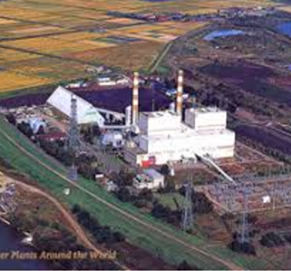
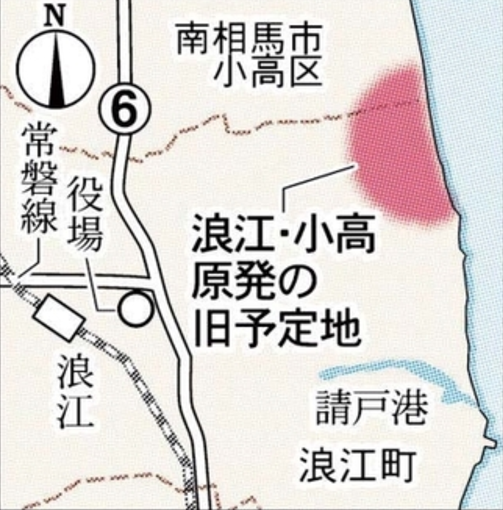
On August 1, 2017 the Japan Government’s New Energy and Industrial Technology Development Organization (NEDO) announced that it will proceed with funding for the construction of a hydrogen production plant in Namie Township, about ten kilometers from the site of the Fukushima nuclear disaster.  The project’s budget is not mentioned, but the installation is projected to be “the largest scale in the world” -- in other words, a real bridge to the future and not a demonstration project.  The project no doubt has a variety of motivations, not least the symbolic value of a renewable hydrogen plant rising in the shadow of the Fukushima Daiichi nuclear station.  In economic terms, though, it appears to be a dead end.  This is unfortunate because a similarly conceived project based on ammonia could be a true bridge-building step that aligns with leading-edge developments elsewhere in the world.
SIP
Article

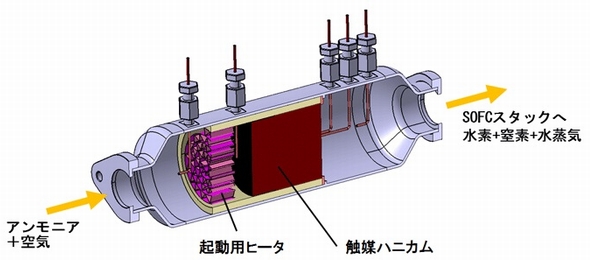
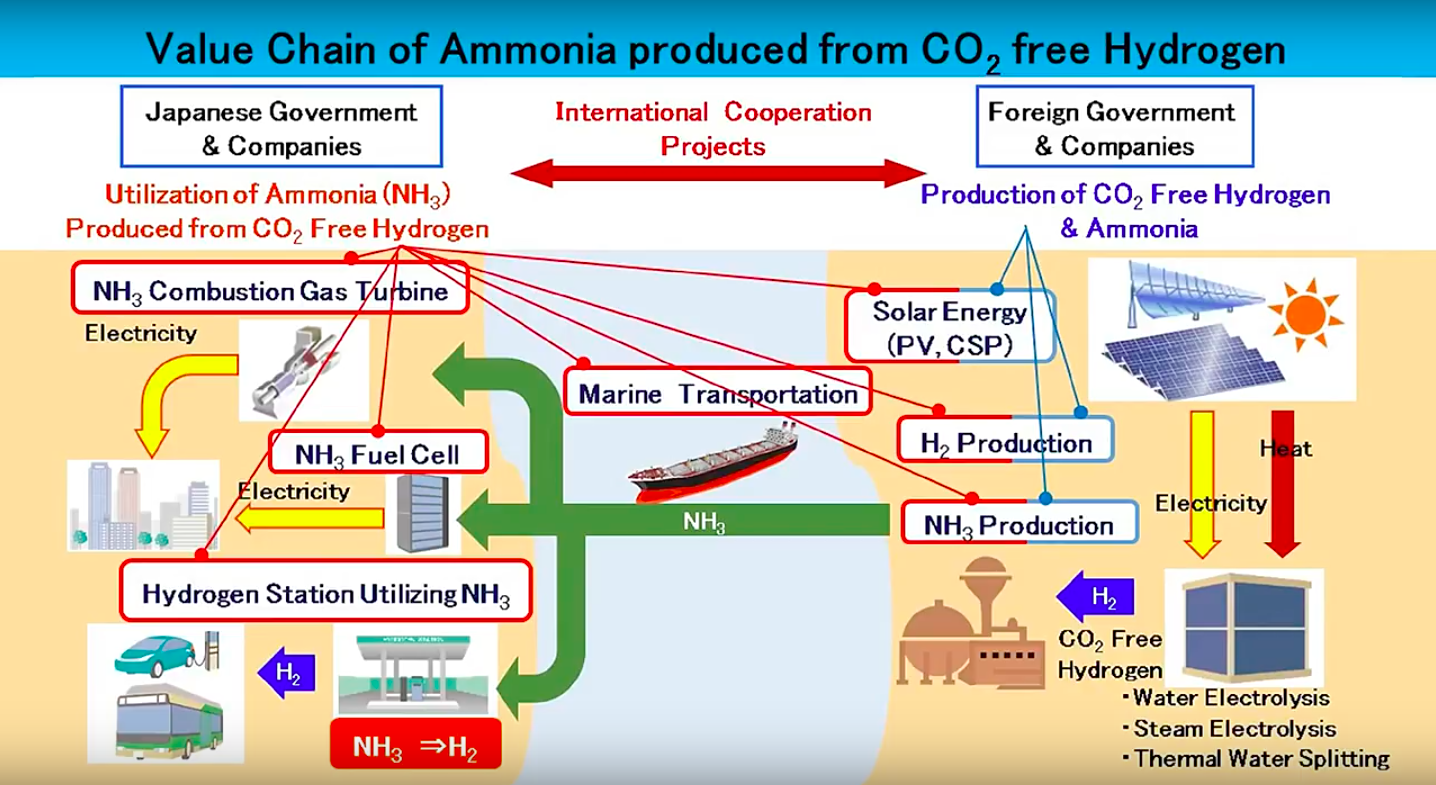
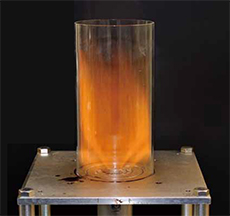
To demonstrate the progress of the SIP "Energy Carriers" program, the Japan Science and Technology Agency last week released a video, embedded below, that shows three of its ammonia fuel research and development projects in operation. R&D is often an abstract idea: this video shows what it looks like to generate power from ammonia. As it turns out, fuel cells aren't hugely photogenic. Nonetheless, if a picture is worth a thousand words, this will be a long article.

The Maritime Industry Begins Assessment of Ammonia as a Fuel
Article

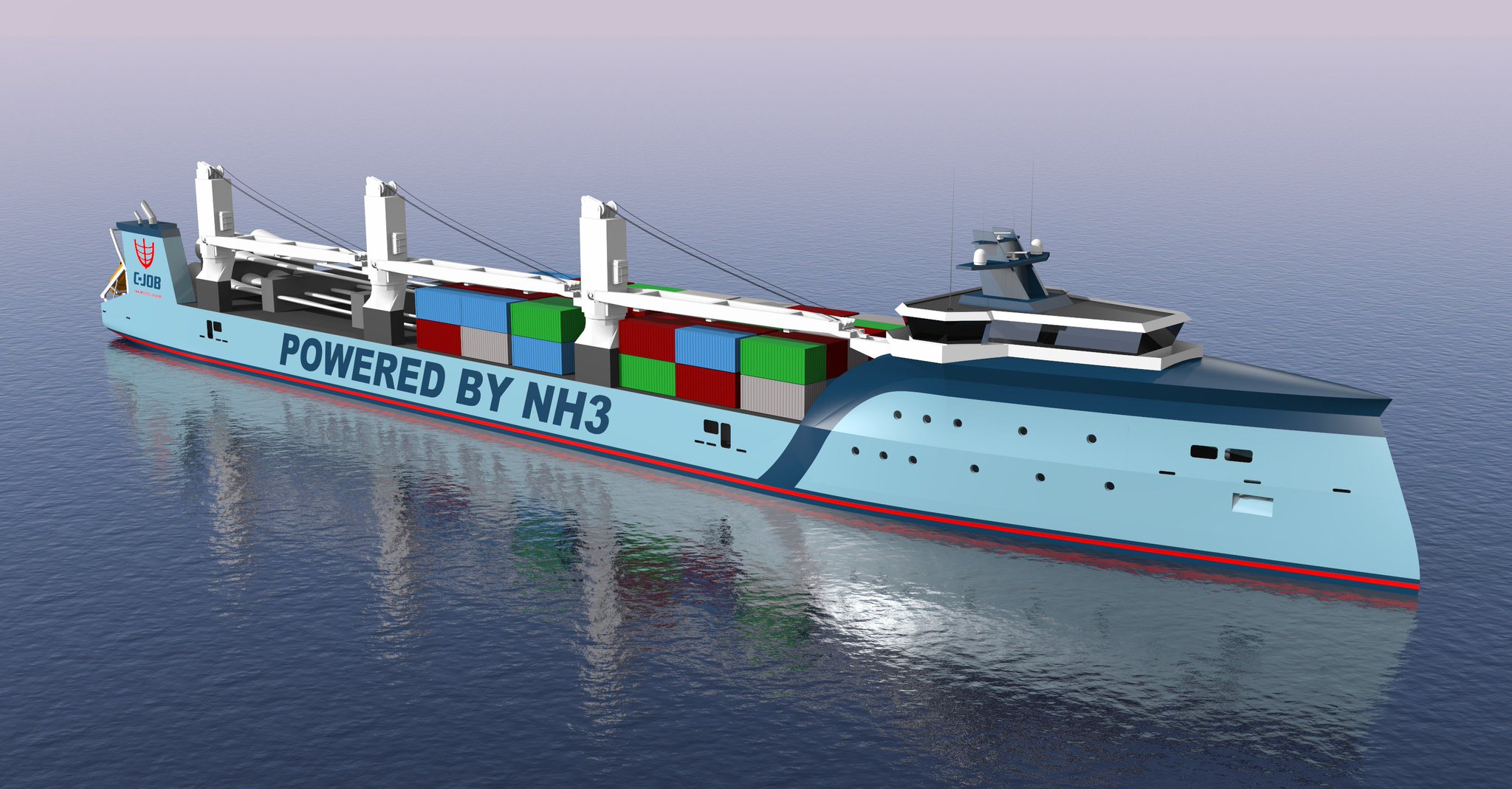
In the last 12 months ... The maritime industry has begun assessing ammonia as a carbon-free fuel, for internal combustion engines and fuel cells. This marks the first time since the 1960s, when NASA used ammonia to fuel the X-15 rocket plane, that industry players have seriously considered ammonia for transport applications.

Green Ammonia Consortium: Bright Prospects in Japan for Ammonia as an Energy Carrier
Article

In the last 12 months ... In July 2017, 19 companies and three research institutions came together to form the Green Ammonia Consortium. Before this development, it was unclear whether ammonia would find a significant role in Japan’s hydrogen economy. In the wake of this announcement, however, ammonia seems to have claimed the leading position in the race among potential energy carriers.

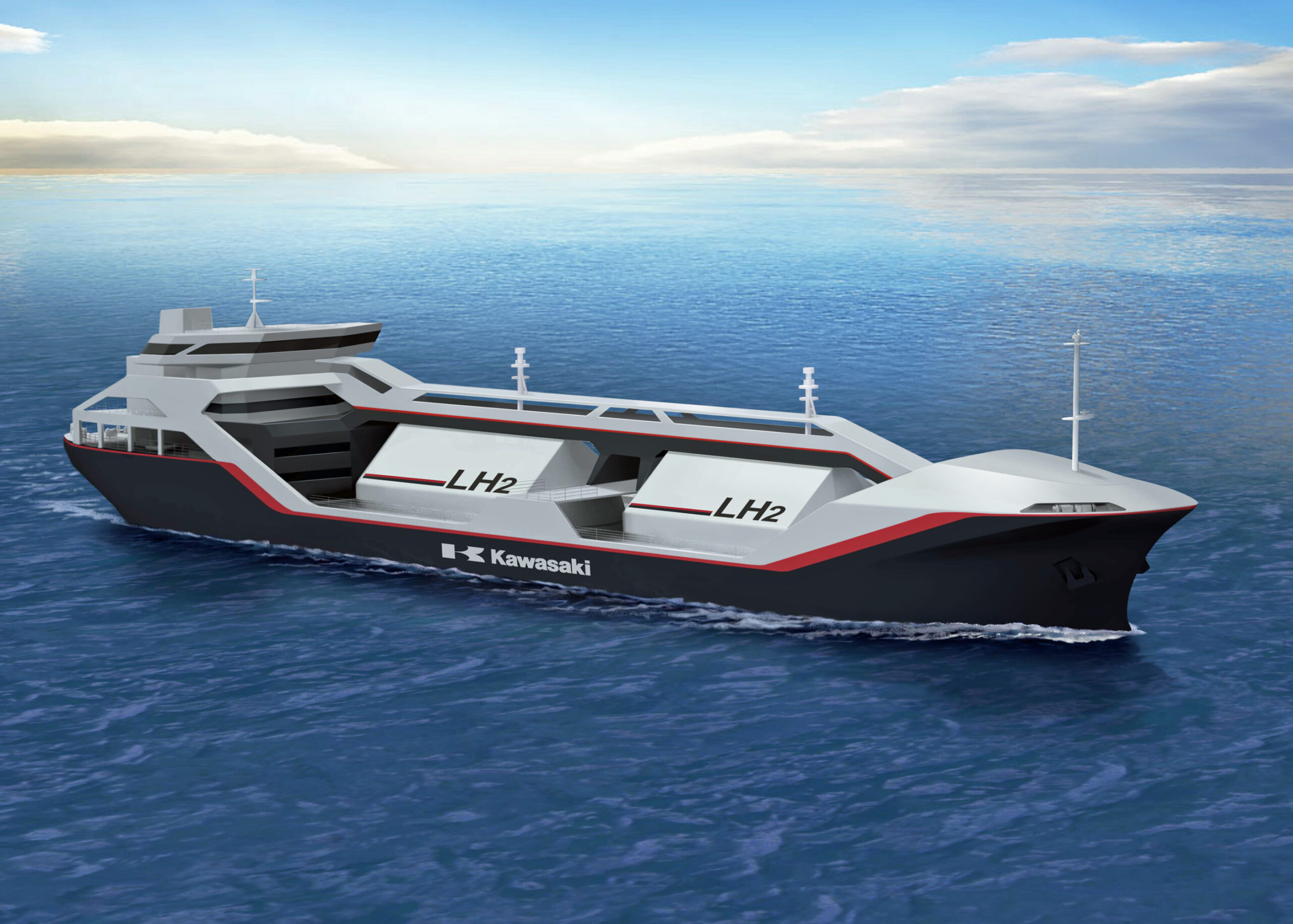
Kawasaki Moving Ahead with LH2 Tanker Project
Article

Kawasaki Heavy Industries (KWI) is moving ahead with plans for a “liquefied hydrogen carrier ship,” as reported by at least two Japanese news outlets since July.  This means that the groups backing each of the energy carriers included within Japan’s Cross-Ministerial Strategic Innovation Promotion Program (SIP) have all made significant moves ahead of the program’s termination at the end of 2018.  On July 25, 2017 the Japan Science and Technology Agency (JST) announced that a collection of companies and research institutions had come together to form the Green Ammonia Consortium.  On July 27, 2017, Chiyoda Corporation announced that work was starting on a demonstration project that will transport hydrogen from Brunei to Japan using liquid organic hydride carrier technology.