Article
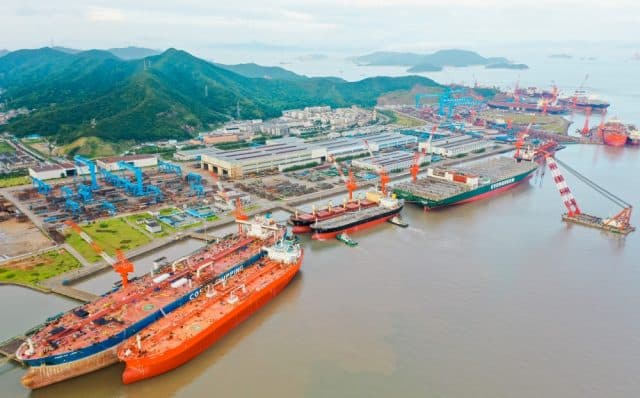
MAN, COSCO to cooperate on engine retrofits
The collaboration integrates MAN’s dual-fuel engine technology with COSCO Shipping Heavy Industry's repair and vessel modification capabilities.
The collaboration integrates MAN’s dual-fuel engine technology with COSCO Shipping Heavy Industry's repair and vessel modification capabilities.


The Zero Emission Maritime Buyers Alliance has launched its second tender process for decarbonized fuels. Starting in 2027, the tender aims to cover multi-year cargo shipping demand equivalent to 1.5 million loaded, twenty-foot shipping containers transported from Shanghai to Los Angeles.
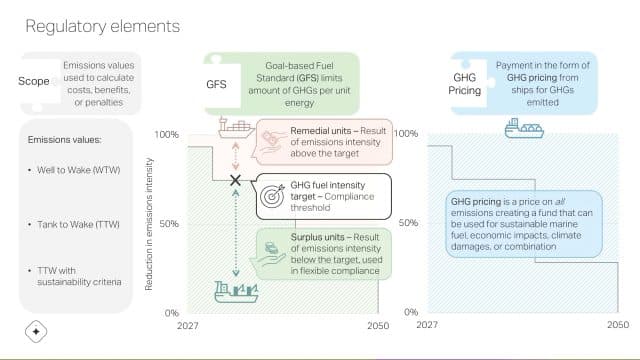
2025 is a critical year for the adoption of ammonia fuel in shipping. Here, we preview important upcoming meetings of the International Maritime Organization, what regulatory gaps are being filled by this work, potential candidates for decarbonization measures, and progress in engine development. All this sets the scene for incredible progress to be made in the coming years.
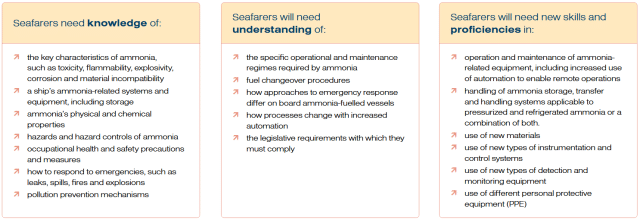
Already in 2025, we have seen multiple initiatives launched and resources released to contribute to seafarer training ahead of the first ammonia-fueled vessels. Here, we explore the IMO’s first training guidelines, a new bunker training facility in India, and a safe procedures manual for ammonia bunkering developed by Copenhagen Infrastructure Partners.
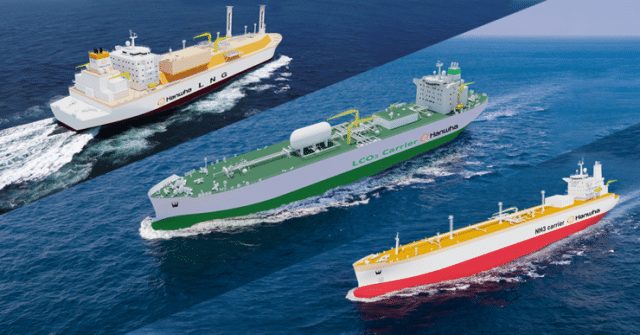
The pair will jointly develop a new small-size, 100% ammonia-capable turbine for maritime applications. Tests will be completed by the end of 2027, after which the ~16 MW unit will be commercially available for orders.
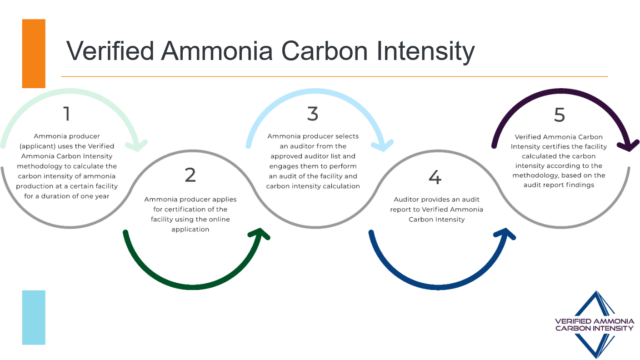
TFI and Ammonia Europe have both launched voluntary certification schemes, aiming to help ammonia producers verify the emissions footprint of their products and attract customers. Both schemes have informed the development of the AEA’s umbrella certification scheme, which is now progressing to the pilot stage.
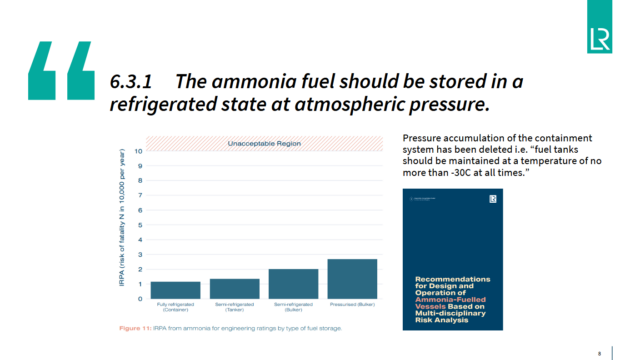
To explore the interim fuel guidelines and discuss their implications, we were joined by the IMO and Lloyd’s Register. Properly applied, the new fuel guidelines will ensure that ammonia systems achieve safety standards comparable to those of LNG or other alternative fuel systems, with special provisions made to ensure that ammonia’s hazards are effectively managed well within acceptable risk thresholds.