Site items in: Europe

Ammonia for Fuel Cells: a literature review
Article

I wrote earlier today about a new literature review on "Ammonia for Power," published in November 2018. As a companion piece to that article, I'd like to highlight another open-access literature review, this one published a few years before we launched Ammonia Energy, which focuses completely on the (perhaps unexpectedly) broad subject of direct ammonia fuel cells. The mini-review, "Ammonia as a suitable fuel for fuel cells," was published in the August 2014 edition of Frontiers in Energy Research, written by Rong Lan and Shanwen Tao of the University of Strathclyde in the UK.
This Week in Hydrogen
Article

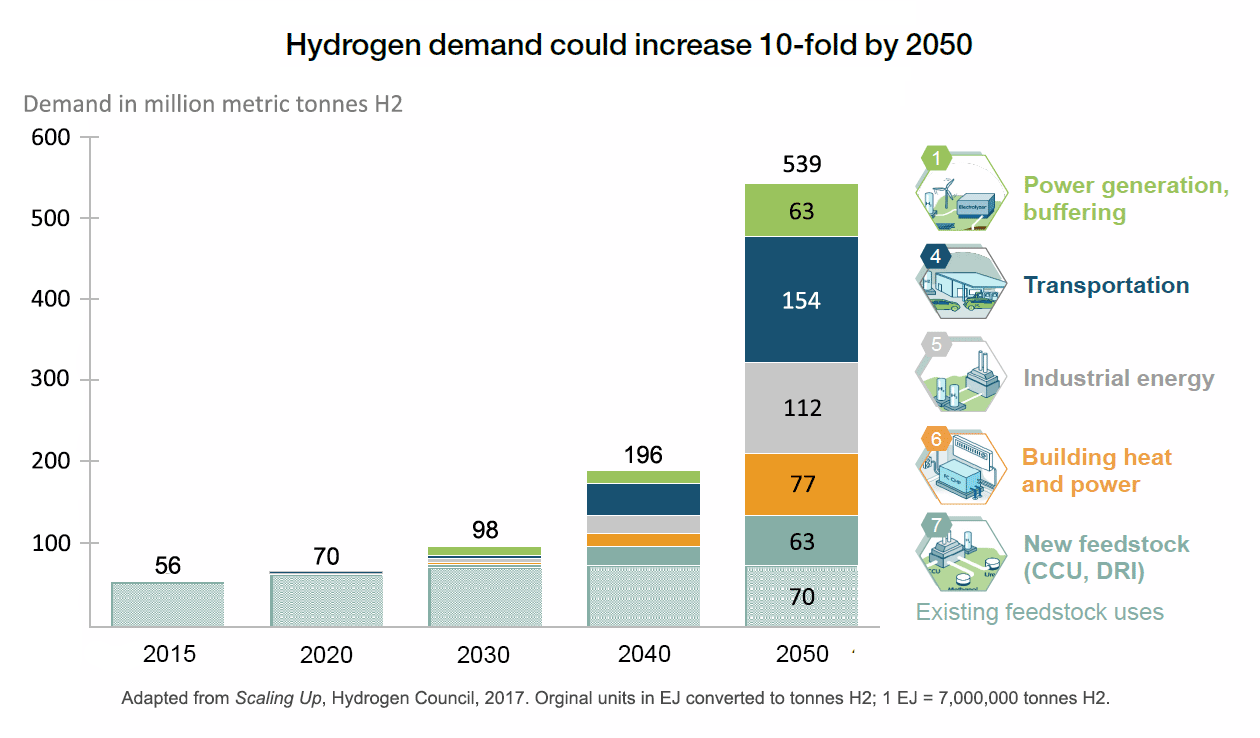
September 10–14 gave us five remarkable events both evidencing and advancing the rise of hydrogen in transportation and energy. Any one of them would have made it a significant week; together they make a sea change.

Small-scale ammonia: where the economics work and the technology is ready
Article

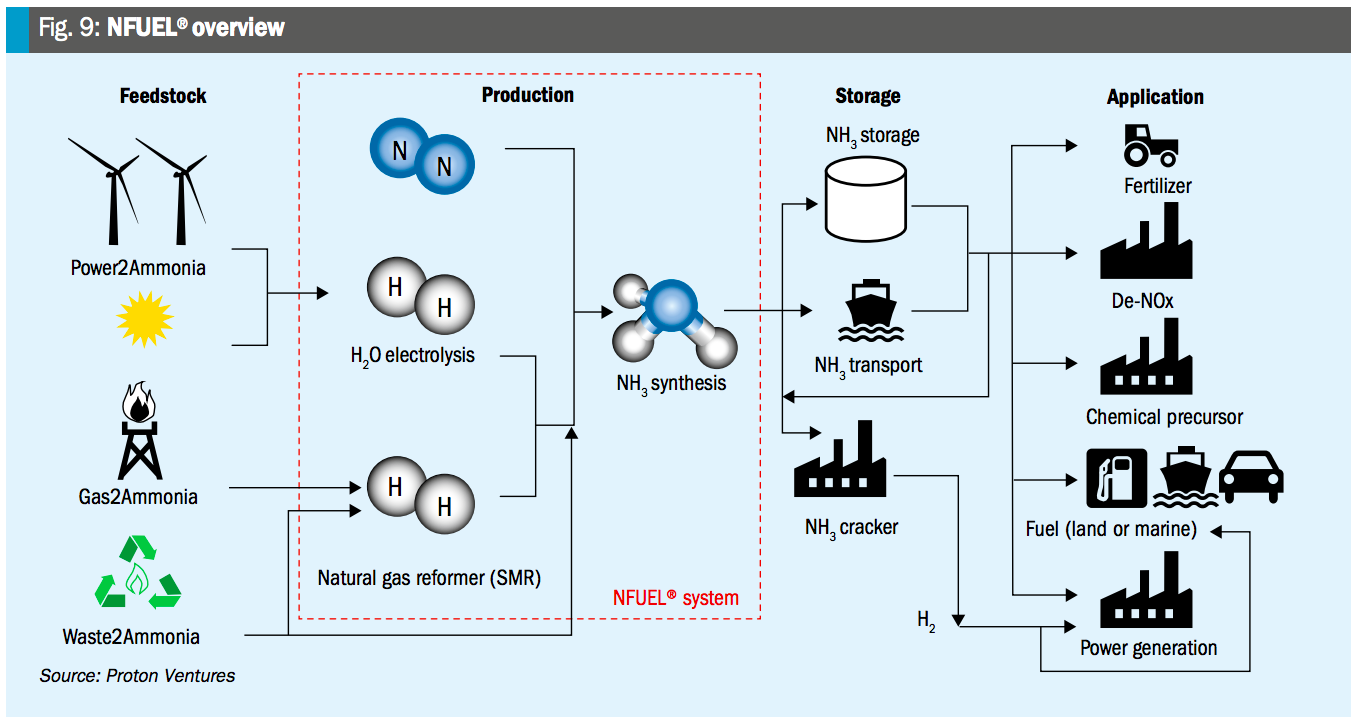
The movement toward small-scale ammonia is accelerating for two reasons. First, small ammonia plants are flexible. And, second, small ammonia plants are flexible. They are feedstock-flexible, meaning that they can use the small quantities of low-value or stranded resources that are widely available at a local scale. This includes flared natural gas, landfill gas, or wind power. And they are market-flexible, meaning that they can serve various local needs, selling products like fertilizer, energy storage, or fuel; or services like resource independence, price stability, or supply chain robustness. While the scale of these plants is small, the impact of this technology is big. As industry-insider publication Nitrogen+Syngas explained in its last issue, "as ammonia production moves toward more sustainable and renewable feedstocks the ammonia market is facing a potentially radical change."

ITM Power, Sumitomo Enter Strategic Partnership
Article

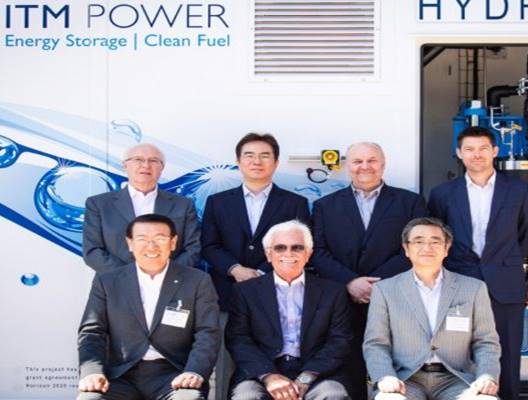
ITM Power and Sumitomo Corporation have entered into a strategic partnership “for the development of multi-megawatt projects in Japan based exclusively on ITM Power’s electrolyser products.”  The two companies will also look for collaborative opportunities outside Japan.  In a July 9 press release, ITM refers to the two companies’ shared vision for “the use of hydrogen to decarbonise heat, transport and industrial processes” as the foundation for the arrangement.

DNV GL predicts carbon-neutral fuels, including ammonia, to surpass oil for shipping by 2050
Article

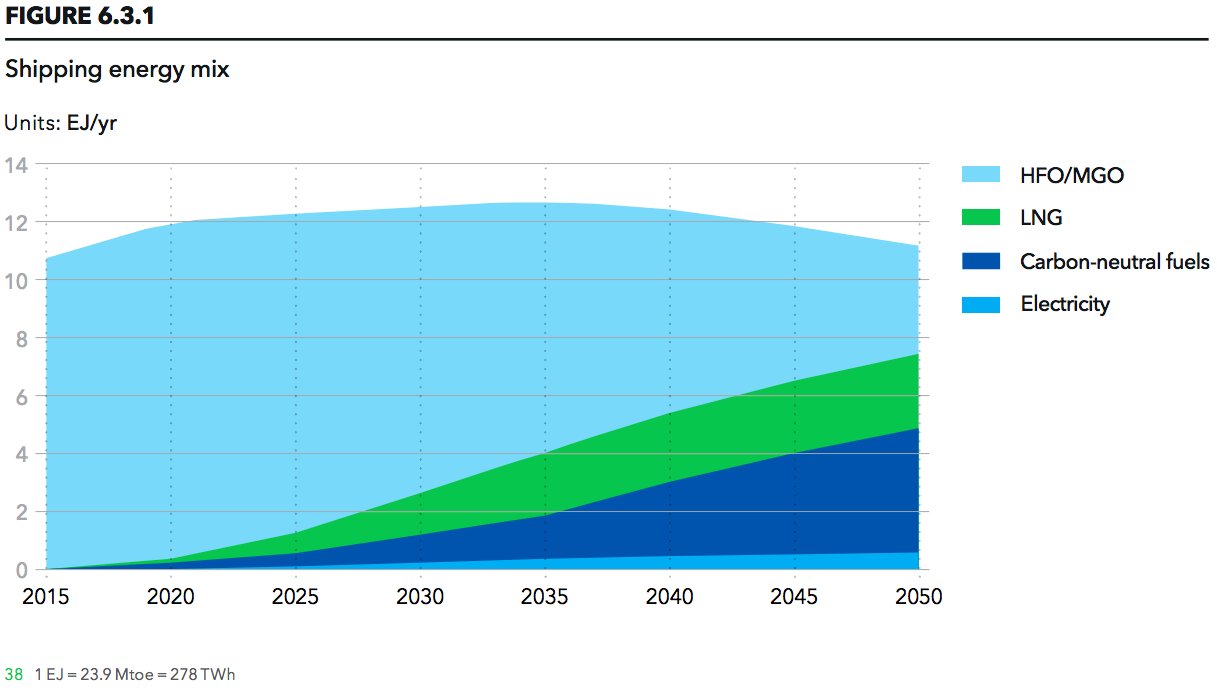
This week, DNV GL published its annual Energy Transition Outlook, providing a long-term forecast for global energy production and consumption, and including a dedicated report describing its Maritime Forecast to 2050. This is the first forecast from a major classification society explicitly to evaluate ammonia as a maritime fuel. By 2050, DNV GL predicts that 39% of the global shipping energy mix will consist of "carbon-neutral fuels," a category that include ammonia, hydrogen, biofuels, and other fuels produced from electricity. By 2050, these fuels will therefore have gained greater market share than oil, LNG, and battery-electric. If ammonia succeeds as the carbon-neutral fuel of choice in the shipping sector, this new demand will be roughly equivalent to 200 million tons of ammonia per year, more than today's total global production.

Siemens Gamesa investigating green ammonia pilot plant in Denmark
Article

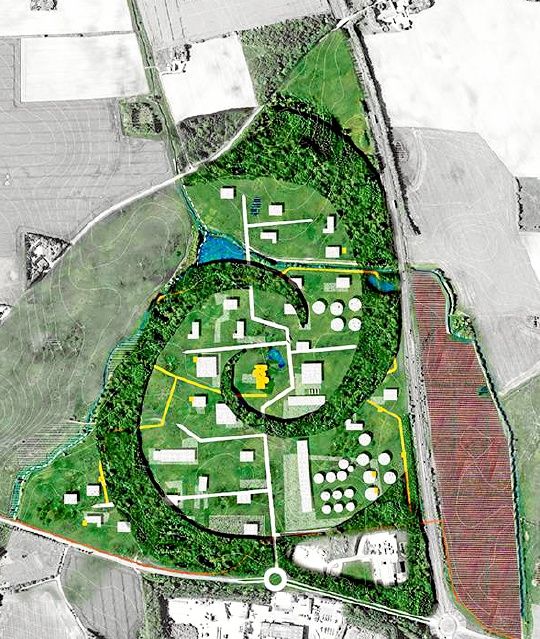
Another week, another green ammonia pilot plant. Siemens Gamesa, the world's largest wind turbine manufacturer (by installed capacity), has announced a partnership with local climate innovation fund Energifonden Skive to investigate the production of ammonia from wind power at an eco-industrial hub in Denmark's "Green Tech Valley." The announcement describes "an agreement to jointly explore eco-friendly ammonia production as a way to store surplus electricity from wind turbines. The goal: a pilot plant at GreenLab Skive."

NH3 Energy+ Topical Conference schedule published
Article

This week, the NH3 Fuel Association published the full technical schedule for the NH3 Energy+ Topical Conference, which will be hosted within the AIChE Annual Meeting, on October 31, 2018, in Pittsburgh, PA. Featuring more than 50 oral presentations, this year's event will be our busiest yet. Speakers and co-authors from 16 countries, and 18 states across the USA, will present research and development from 68 separate companies and research institutions. Registration for the AIChE Annual Meeting is now open, with reduced rates until September 17. Full details are at the NH3 Fuel Association website.

Hydrogen Plans Appear, But Where Is Ammonia?
Article

The concept of hydrogen as the centerpiece of a sustainable energy economy continues to gain momentum.  It is the focus of recent reports from France and the United Kingdom that consider the topic from two distinct but surprisingly convergent national perspectives.  And while ammonia is not given a role in either treatment, this seems to be because the authors' thinking has not arrived at a level of detail where ammonia's virtues become salient.

ThyssenKrupp's
Article

In June, ThyssenKrupp announced the launch of its technology for "advanced water electrolysis," which produces carbon-free hydrogen from renewable electricity and water. This "technology enables economical industrial-scale hydrogen plants for energy storage and the production of green chemicals." Two weeks later, in early July, ThyssenKrupp announced that it was moving forward with a demonstration plant in Port Lincoln, South Australia, which had been proposed earlier this year. This will be "one of the first ever commercial plants to produce CO2-free 'green' ammonia from intermittent renewable resources." The German conglomerate is one of the four major ammonia technology licensors, so its actions in the sustainable ammonia space are globally significant.