Site items in: Asia

Kawasaki Moving Ahead with LH2 Tanker Project
Article

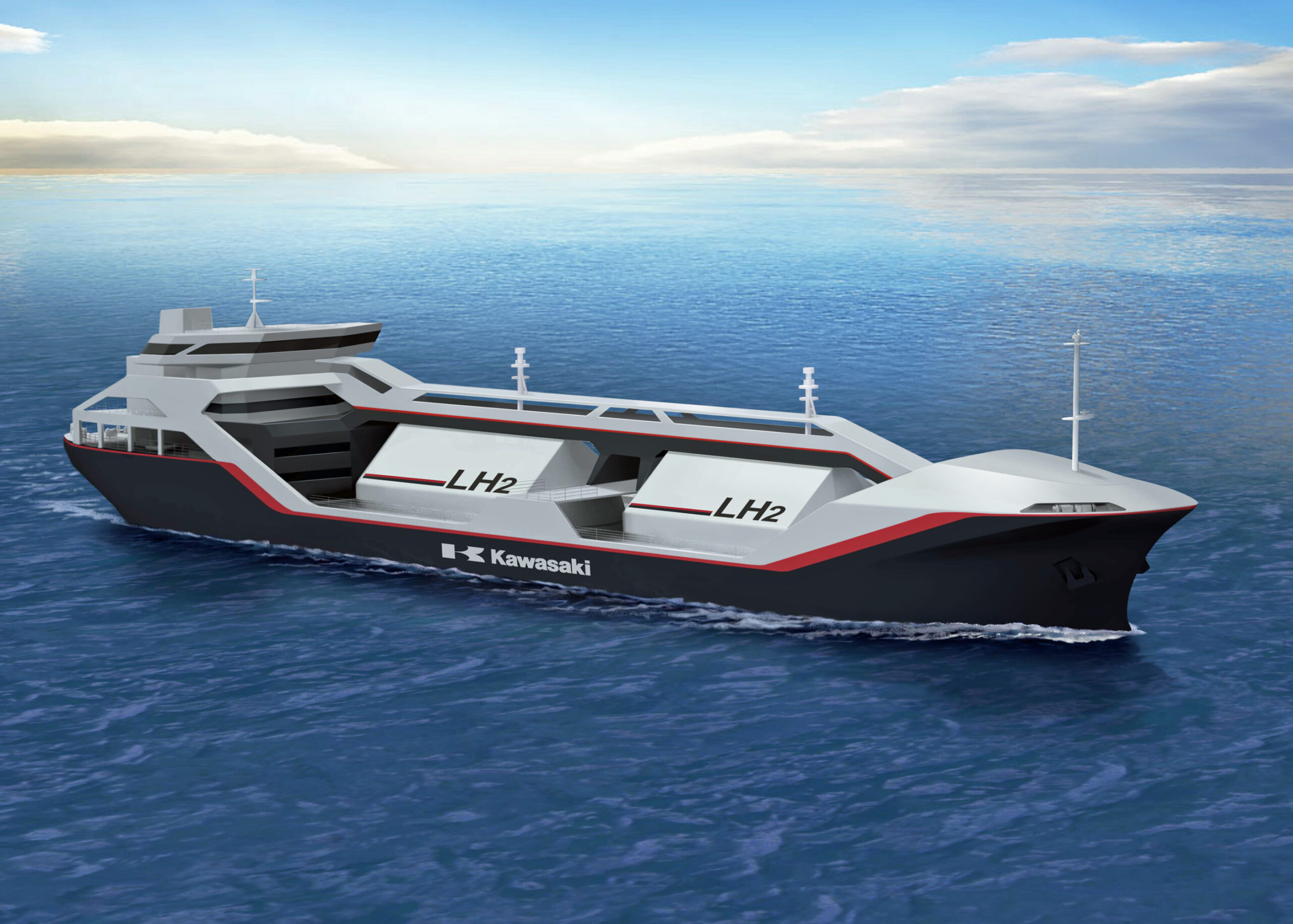
Kawasaki Heavy Industries (KWI) is moving ahead with plans for a “liquefied hydrogen carrier ship,” as reported by at least two Japanese news outlets since July.  This means that the groups backing each of the energy carriers included within Japan’s Cross-Ministerial Strategic Innovation Promotion Program (SIP) have all made significant moves ahead of the program’s termination at the end of 2018.  On July 25, 2017 the Japan Science and Technology Agency (JST) announced that a collection of companies and research institutions had come together to form the Green Ammonia Consortium.  On July 27, 2017, Chiyoda Corporation announced that work was starting on a demonstration project that will transport hydrogen from Brunei to Japan using liquid organic hydride carrier technology. 
Optimizing technology pathways for Ammonia Fuel: production, transportation, and use
Article

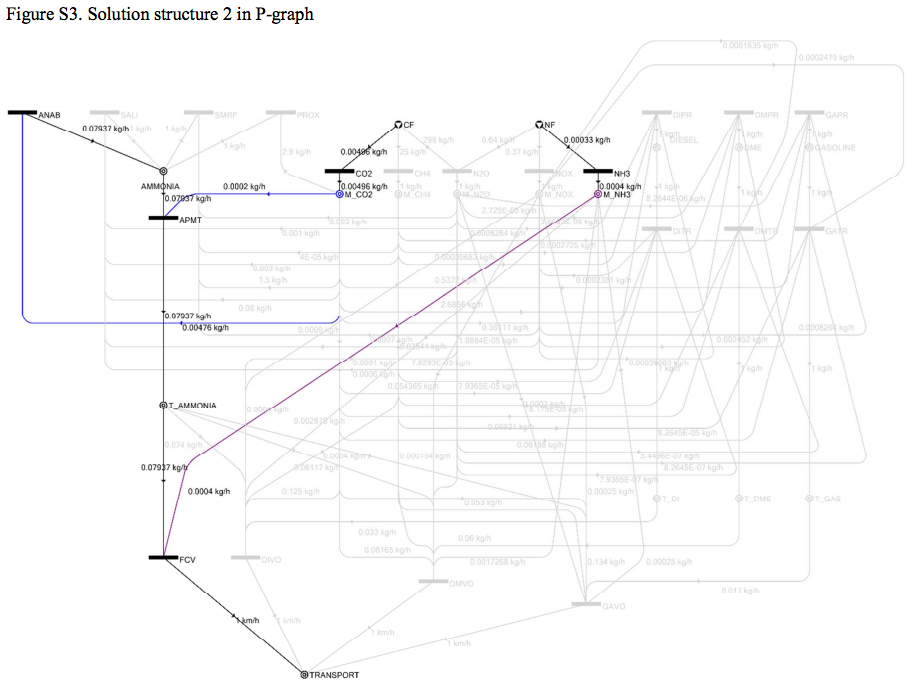
A paper has just been published by researchers in The Philippines who set out to determine the most environmentally benign way to produce, transport, and use ammonia as a fuel for vehicles. This new work provides a detailed life cycle analysis of a broad range of ammonia technologies, evaluating both carbon and nitrogen footprints of each, and identifying the optimal "well-to-wheel" pathway. Their results support the idea that using ammonia for energy presents a safe and sustainable way to bring about the hydrogen economy.

Japanese Cabinet Office Holds Energy Carriers Symposium
Article

Ammonia energy received favorable notice at the Energy Carriers "Open Symposium" held on July 26 by the Cabinet Office of the Japan Government.  Hydrogen energy carriers are a key focus of Japan's Cross-Ministerial Strategic Innovation Promotion Program.  The event took place at Hitotsubashi University in Tokyo.  An observer estimated that approximately 400 attendees were present.

Major Development for Ammonia Energy in Japan
Article

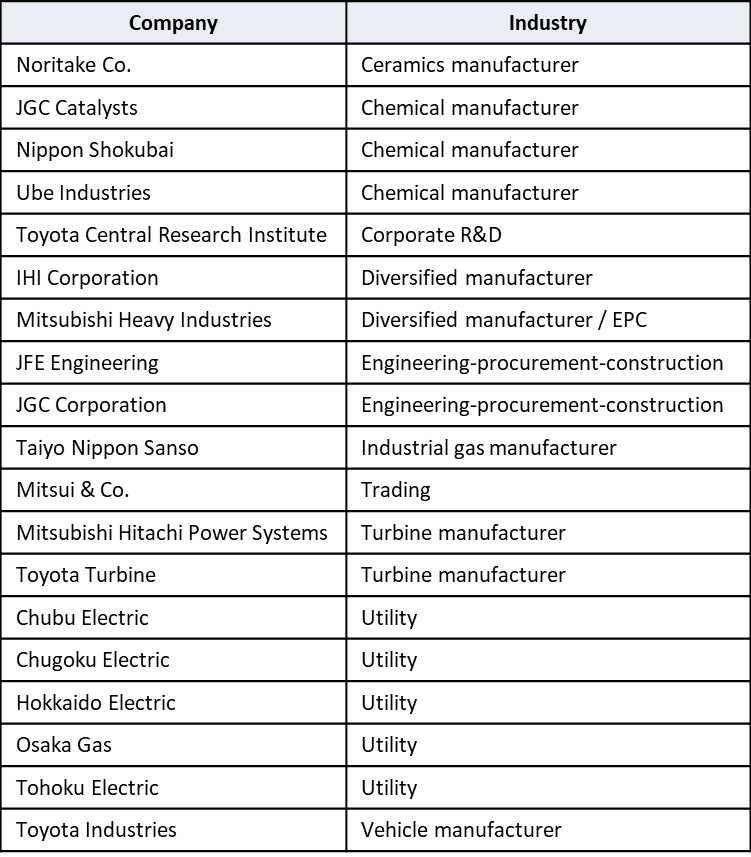
On July 25, the Japan Science and Technology Agency (JST) announced that a collection of companies and research institutions had come together to form a Green Ammonia Consortium.  The 22-member group will take over responsibility for the ammonia aspect of the Cross-Ministerial Strategic Innovation Program (SIP) Energy Carriers agenda when the SIP is discontinued at the end of fiscal 2018.  A JST press release states that the Consortium intends to develop a strategy for “forming [an] ammonia value chain,” promote demonstration projects that can further commercialization, and enable “Japanese industry to lead the world market.”

Japan-Brunei MCH Energy Carrier Demonstration
Article

Chiyoda Corporation, the multinational chemical engineering firm that is arguably the leading proponent of the methyl cyclohexane (MCH) method of hydrogen transport, will start work this month on a project to demonstrate MCH technology in a real-world context.  As reported in a July 27 company press release, the project will involve the transportation of hydrogen from Brunei to Japan in what the company states is "the world's first global hydrogen supply chain demonstration project" -- an assertion that many ammonia energy proponents will no doubt find preposterous.

The Ammonia Economy at the ACS National Meeting
Article

The American Chemical Society (ACS) has published the program for its 2017 National Meeting, which takes place next month in Washington DC and includes a session dedicated to the "Ammonia Economy." The first day of the week-long meeting, Sunday August 20th, will feature a full morning of technical papers from the US, UK, and Japan, covering ammonia energy topics across three general areas: producing hydrogen from ammonia, developing new catalysts for ammonia synthesis and oxidation, and storing ammonia in solid chemical form.

On the Ground in Japan: Mid-Term Prospects for the Hydrogen Society
Article

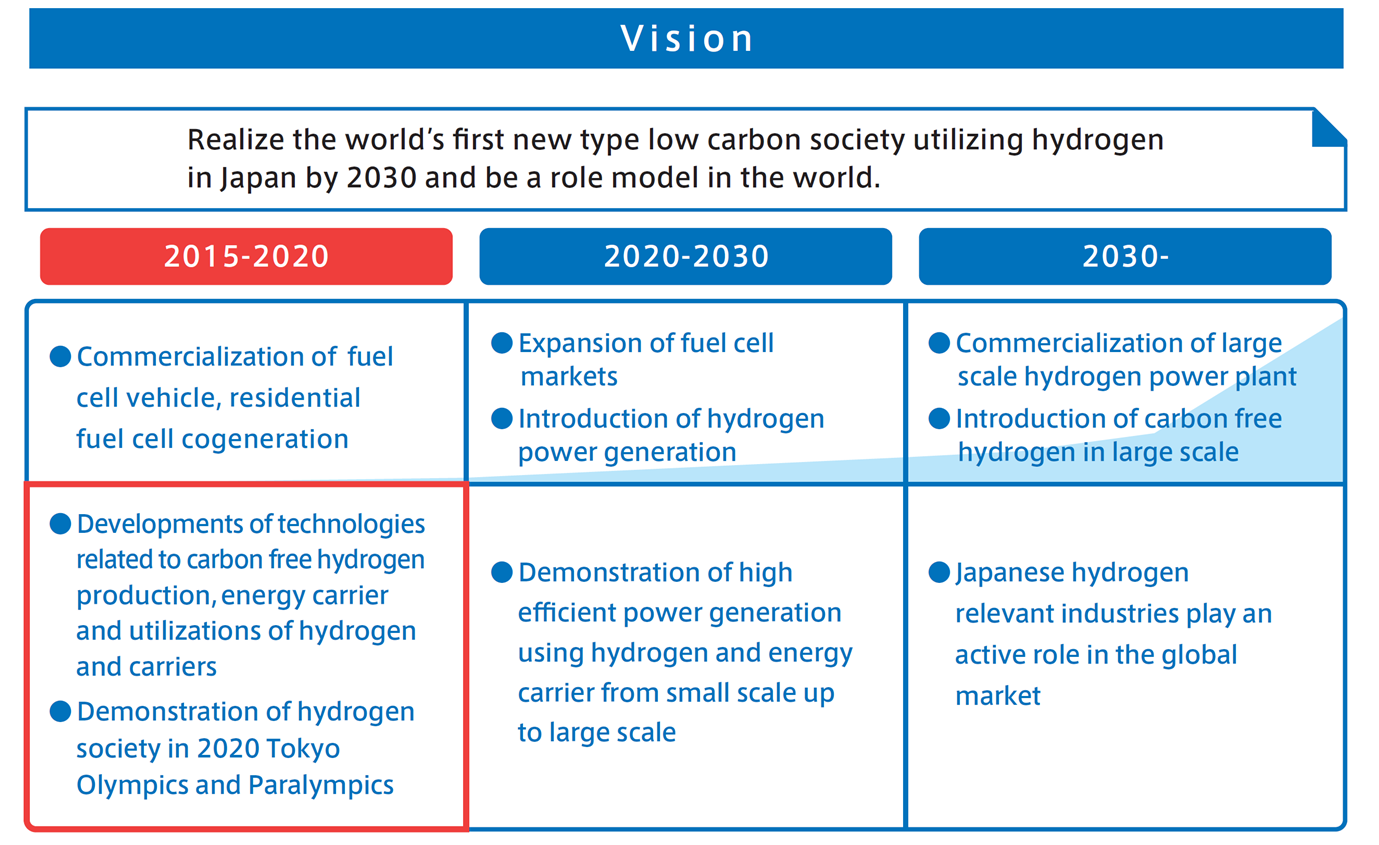
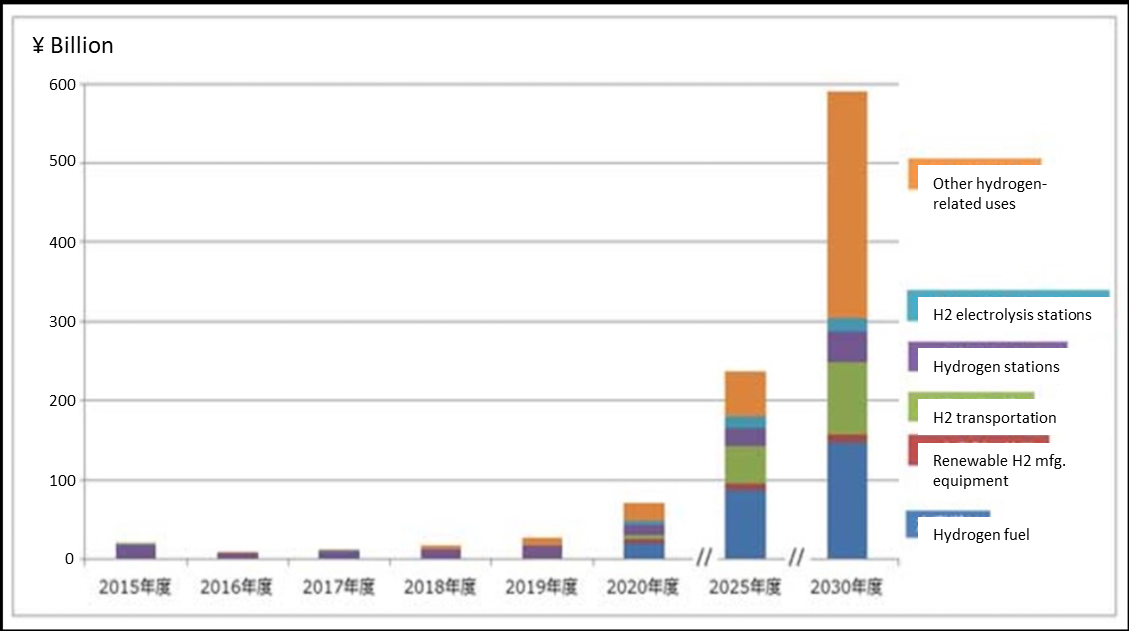
Recent “On the Ground in Japan” posts have considered the path forward for Japan’s “Hydrogen Society.”  Two weeks ago, a post entitled “FCV Uptake and Hydrogen Fueling Stations,” pointed to a lack of marketplace momentum for the products that are supposed to drive the hydrogen society forward in the near term.  The uptake of fuel-cell vehicles is off to a very slow start and the construction of hydrogen fueling stations is “not proceeding.” The same day the post appeared, the Japanese market research firm Fuji Keizai announced the release of a report projecting robust growth for the country’s hydrogen economy.  As reported by the on-line news service Smart Japan, the market for selected hydrogen-related goods will start to hit its stride with the arrival of the Tokyo Olympics in 2020.  At that time, Fuji Keizai projects the market will have a value of approximately ¥700 billion ($6.4 billion).  By 2030, the report says, the market will have a value of ¥5,903 billion ($54 billion). This is good news for hydrogen proponents but its import for ammonia energy is not clear.

Electrochemical ammonia synthesis in South Korea
Article

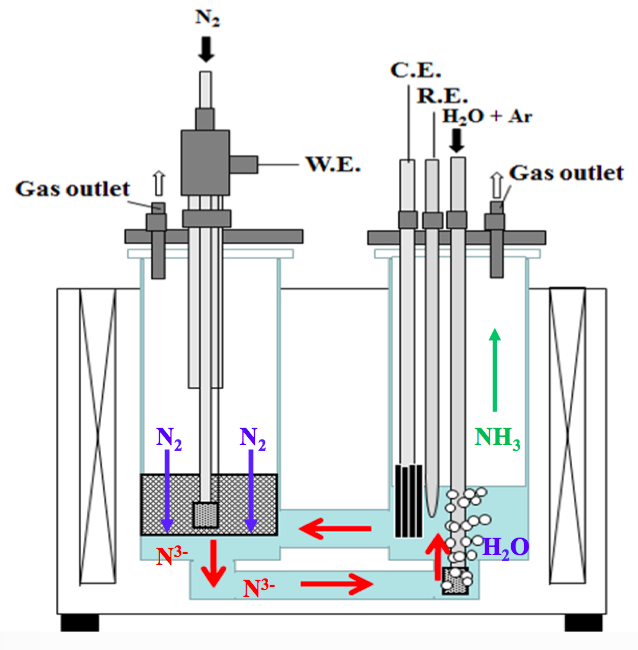
One of the many encouraging announcements at the recent Power-to-Ammonia conference in Rotterdam was the news that the Korea Institute of Energy Research (KIER) has extended funding for its electrochemical ammonia synthesis research program by another three years, pushing the project forward through 2019. KIER's research target for 2019 is significant: to demonstrate an ammonia production rate of 1x10⁻⁷ mol/s·cm2. If the KIER team can hit this target, not only would it be ten thousand times better than their 2012 results but, according to the numbers I'll provide below, it would be the closest an electrochemical ammonia synthesis technology has come to being commercially competitive.