Site items in: Asia

IHI Commits to Ammonia Energy. Big Time.
Article

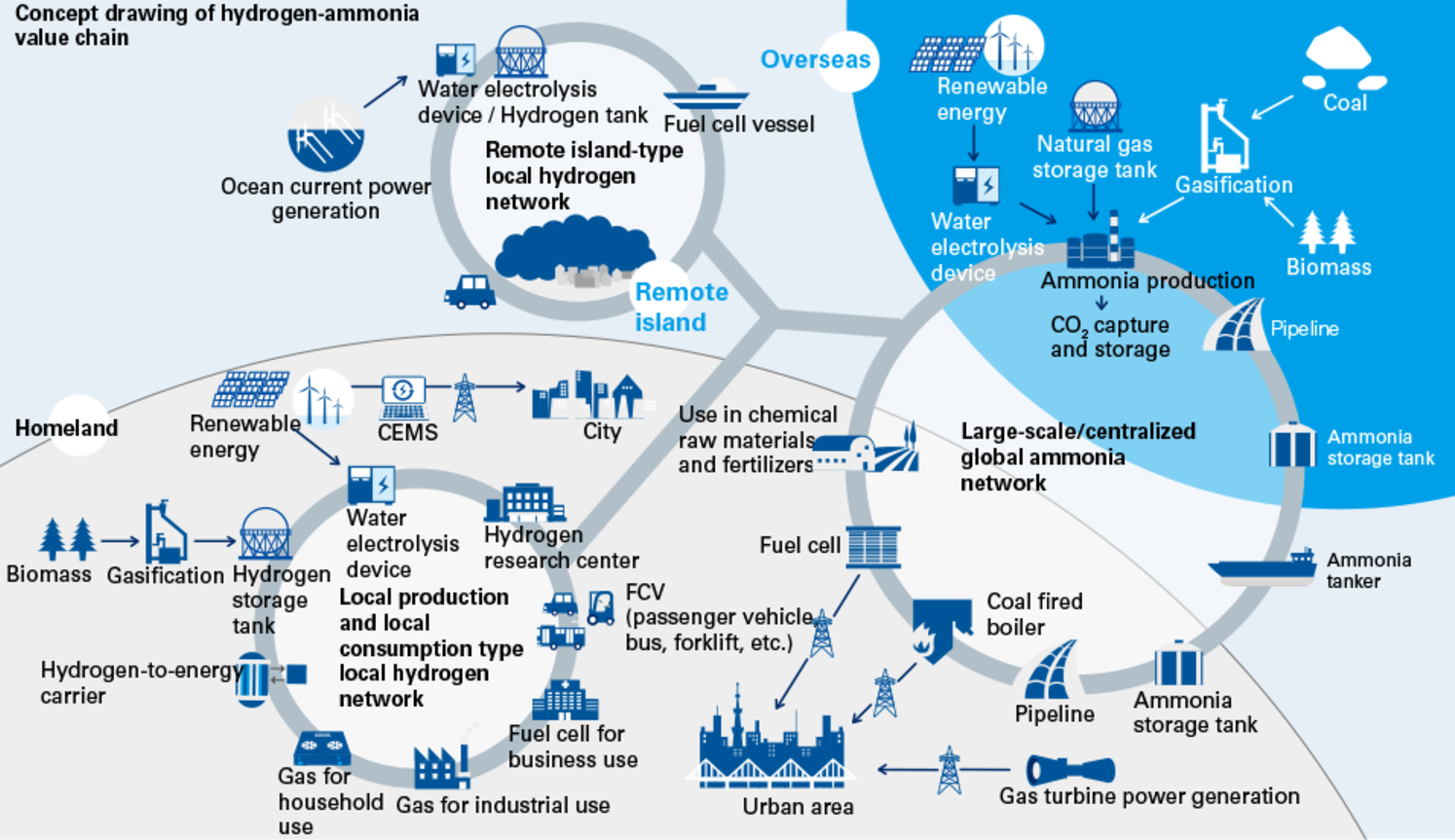
During his presentation at the November 2017 NH3 Energy + Topical Conference, Shogo Onishi of IHI Corporation described the progress made by IHI and Tohoku University in limiting NOx emissions from ammonia-fired gas turbines (AGTs).  Regular attendees of the annual NH3 Fuel Conference identify IHI with its work on AGTs since the company also addressed this topic at the 2016 and 2015 events.  However, a scan of published materials shows that AGTs are just one aspect of IHI’s activity in the ammonia energy arena.  In fact, IHI is also looking at the near-term commercialization of technologies in ammonia-coal co-firing in steam boilers and direct ammonia fuel cells.  This level and breadth of commitment to ammonia energy is unique among global capital goods producers.

Ammonia Positioned for Key Role in Japan's New Hydrogen Strategy
Article

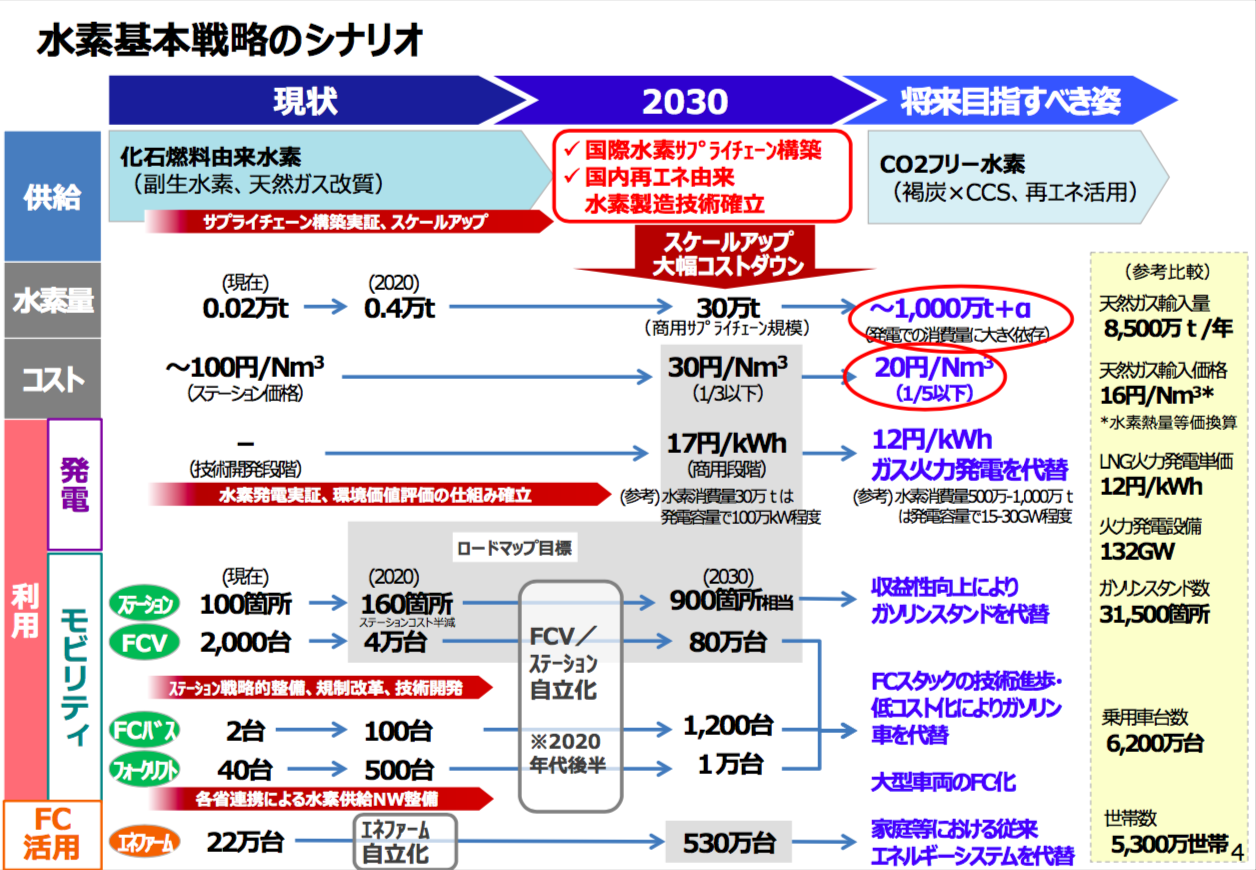
The Japanese government has approved an updated hydrogen strategy which appears to give ammonia the inside track in the race against liquid hydrogen (LH2) and liquid organic hydride (LOH) energy carrier systems. The announcement was made on December 26, 2017, by the Agency of Natural Resources and Energy (ANRE), the lead agency on energy policy within the Ministry of Energy, Trade, and Industry (METI). Perhaps the most important indicator of ammonia’s positioning as the lead energy carrier can be seen in the development timelines that are assigned to each energy carrier. The Strategy calls for “CO2-free ammonia” to come into use “by the mid-2020s.”

Green Ammonia Consortium Comes to the Fore in Japan
Article

On December 8, the Nikkei Sangyo Shimbun ran a story about the future of coal-fired electricity generation in Japan.  The story touched on topics ranging from the plumbing in a Chugoku Electric generating station to the Trump administration’s idiosyncratic approach to environmental diplomacy.  And it contained this sentence: “Ammonia can become a ‘savior’ of coal-fired power.” Clearly an explanation is in order.

A new strategy for internal combustion of ammonia
Article

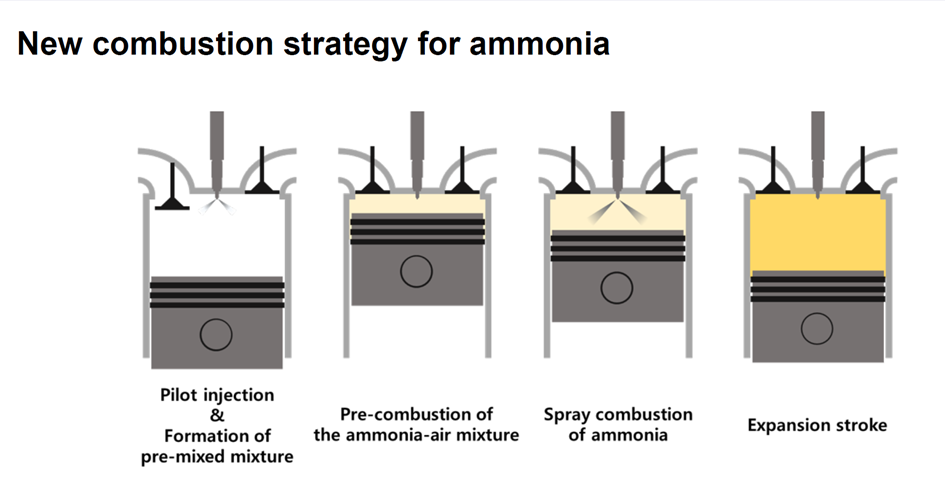
Of all the devices that can convert the chemical energy in ammonia to electricity, gas turbines and fuel cells appear to be receiving the lion’s share of development effort, outstripping that devoted to ammonia-fueled internal combustion engines (A-ICEs).  An Ammonia Energy review last year found a number of organizations with histories of work on A-ICE technology, but reports of progress have not been forthcoming.  It was good news, therefore, when a representative of a newly engaged group appeared at the NH3 Energy+ Topical Conference earlier this month and delivered a talk on an innovative A-ICE “combustion strategy.”  Donggeun Lee from the Department of Mechanical Engineering at Seoul National University (SNU) delivered the paper, entitled “Development of new combustion strategy for internal combustion engine fueled by pure ammonia,” on behalf of his co-authors, Hyungeun Min, Hyunho Park, and Han Ho Song.

Renewable Energy for Industry: IEA's vision for green ammonia as feedstock, fuel, and energy trade
Article

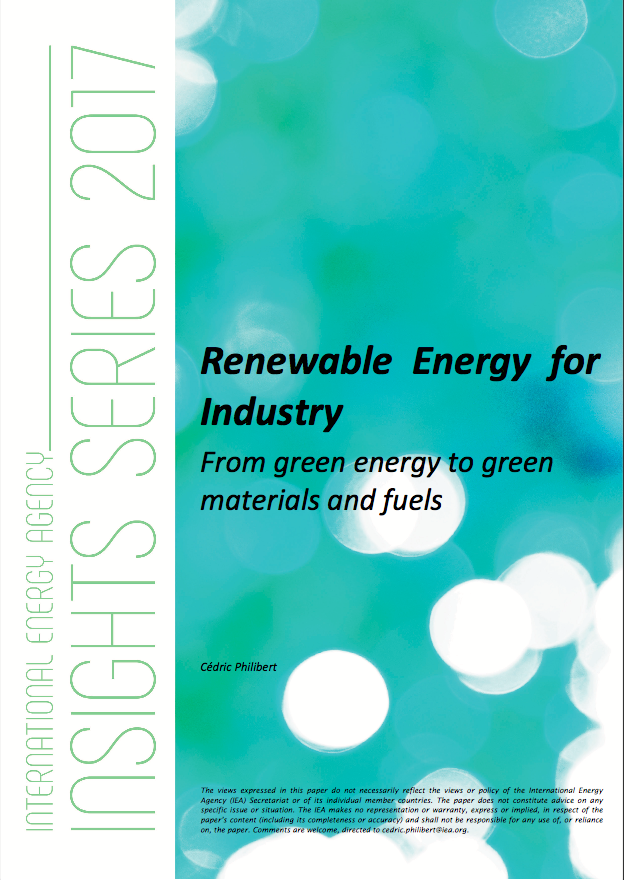
This morning in Beijing, China, the International Energy Agency (IEA) launched a major new report with a compelling vision for ammonia's role as a "hydrogen-rich chemical" in a low-carbon economy. Green ammonia would be used by industry "as feedstock, process agent, and fuel," and its production from electrolytic hydrogen would spur the commercial deployment of "several terawatts" of new renewable power. These terawatts would be for industrial markets, additional to all prior estimates of renewable deployment required to serve electricity markets. At this scale, renewable ammonia would, by merit of its ease of storage and transport, enable renewable energy trading across continents. The IEA's report, Renewable Energy for Industry, will be highlighted later this month at the COP23 in Bonn, Germany, and is available now from the IEA's website.

254th ACS Meeting, Energy and Fuels Symposium “The Ammonia Economy” — Oxidation, Catalytic Cracking & Storage
Article

In August of 2017 a symposium on the Ammonia Economy was held in Washington DC as part of the Energy and Fuels Division of the American Chemical Society (ACS) conference. The symposium was devised to explore the latest results from ammonia related research, including but not limited to; advances in the generation of ammonia, advances in the catalytic cracking of ammonia to nitrogen and hydrogen, ammonia storage and utilisation, detectors and sensors for ammonia, ammonia fuel cells and hydrogen from ammonia, ammonia combustion and ammonia safety.

254th ACS Meeting, Energy and Fuels Symposium “The Ammonia Economy” — Synthesis, Utilization & Nitrogen Reduction
Article

In late August, the day before the exciting solar eclipse, the Ammonia Economy symposium was held as part of the Energy and Fuels Division of the American Chemical Society (ACS) National Meeting in Washington DC. This marks the third gathering of Ammonia related research since 2015 at the national level ACS conference. This year, in addition to the important focus on chemistries for the utilization of ammonia, the rapidly developing field of homogeneous catalysts and biological processes for nitrogen fixation was included as a major theme.

China and Australia collaborate on ammonia as a clean transport fuel
Article

The University of Western Australia has entered the increasingly competitive field of ammonia energy research in Australia, announcing a collaborative agreement to develop "the world's first practical ammonia-powered vehicle" as well as an "ammonia-based hydrogen production plant." These goals are supported by funding from the R&D arm of Shenhua Group, formerly a coal company but now "China's largest hydrogen producer with a production capacity to power 40 million fuel cell passenger cars."

Renewable Hydrogen in Fukushima and a Bridge to the Future
Article

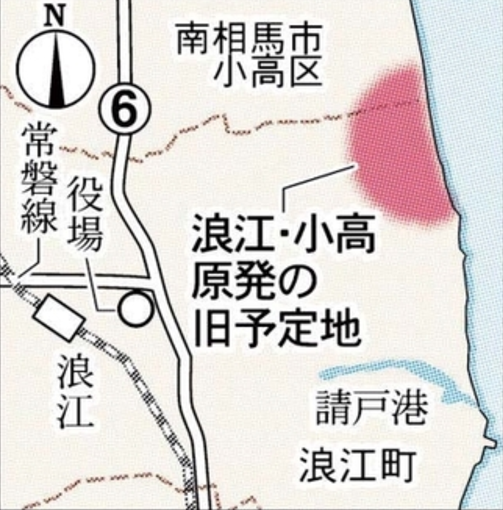
On August 1, 2017 the Japan Government’s New Energy and Industrial Technology Development Organization (NEDO) announced that it will proceed with funding for the construction of a hydrogen production plant in Namie Township, about ten kilometers from the site of the Fukushima nuclear disaster.  The project’s budget is not mentioned, but the installation is projected to be “the largest scale in the world” -- in other words, a real bridge to the future and not a demonstration project.  The project no doubt has a variety of motivations, not least the symbolic value of a renewable hydrogen plant rising in the shadow of the Fukushima Daiichi nuclear station.  In economic terms, though, it appears to be a dead end.  This is unfortunate because a similarly conceived project based on ammonia could be a true bridge-building step that aligns with leading-edge developments elsewhere in the world.

SIP
Article

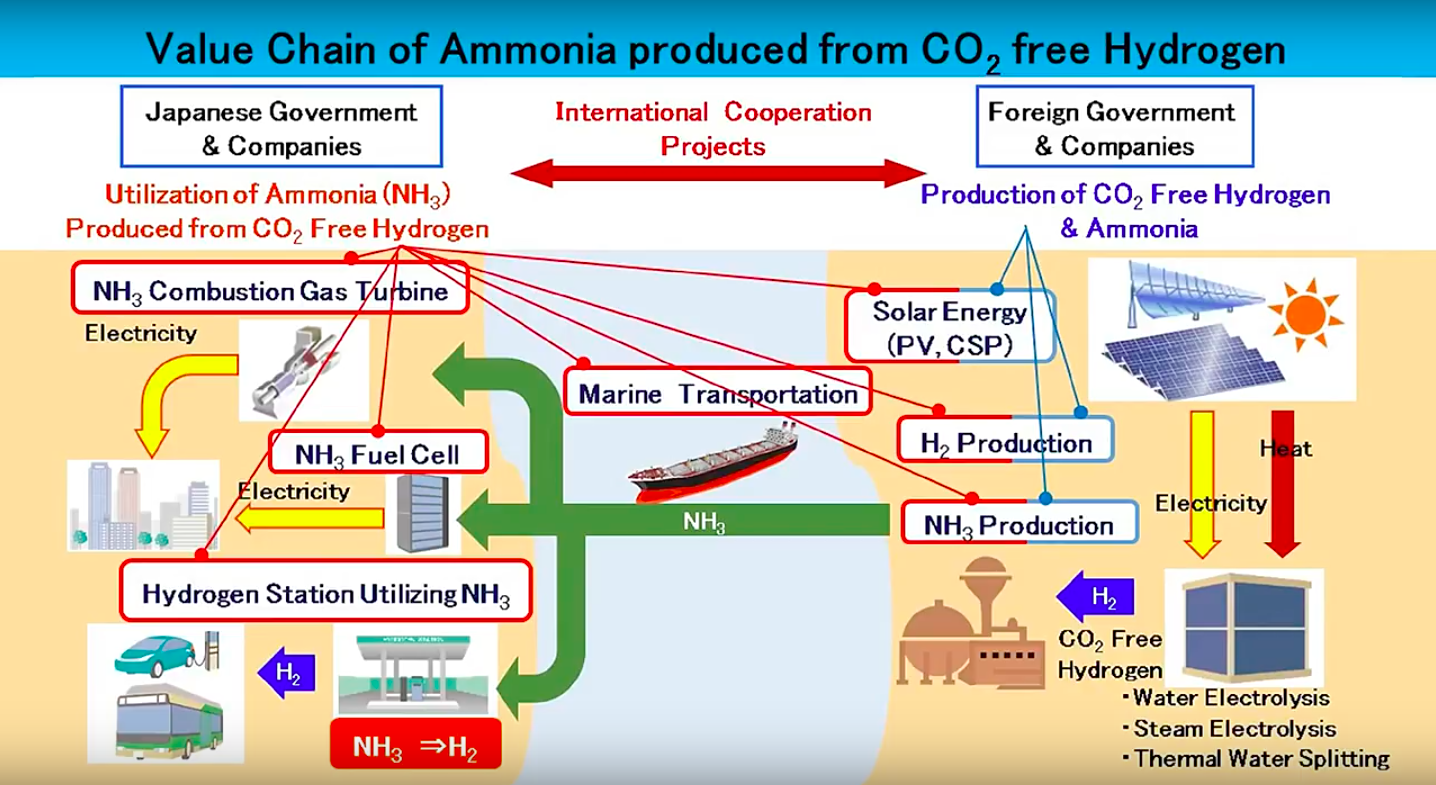
To demonstrate the progress of the SIP "Energy Carriers" program, the Japan Science and Technology Agency last week released a video, embedded below, that shows three of its ammonia fuel research and development projects in operation. R&D is often an abstract idea: this video shows what it looks like to generate power from ammonia. As it turns out, fuel cells aren't hugely photogenic. Nonetheless, if a picture is worth a thousand words, this will be a long article.