Site items in: Content by Author Trevor Brown

Low-carbon ammonia in Nebraska and the Netherlands
Article

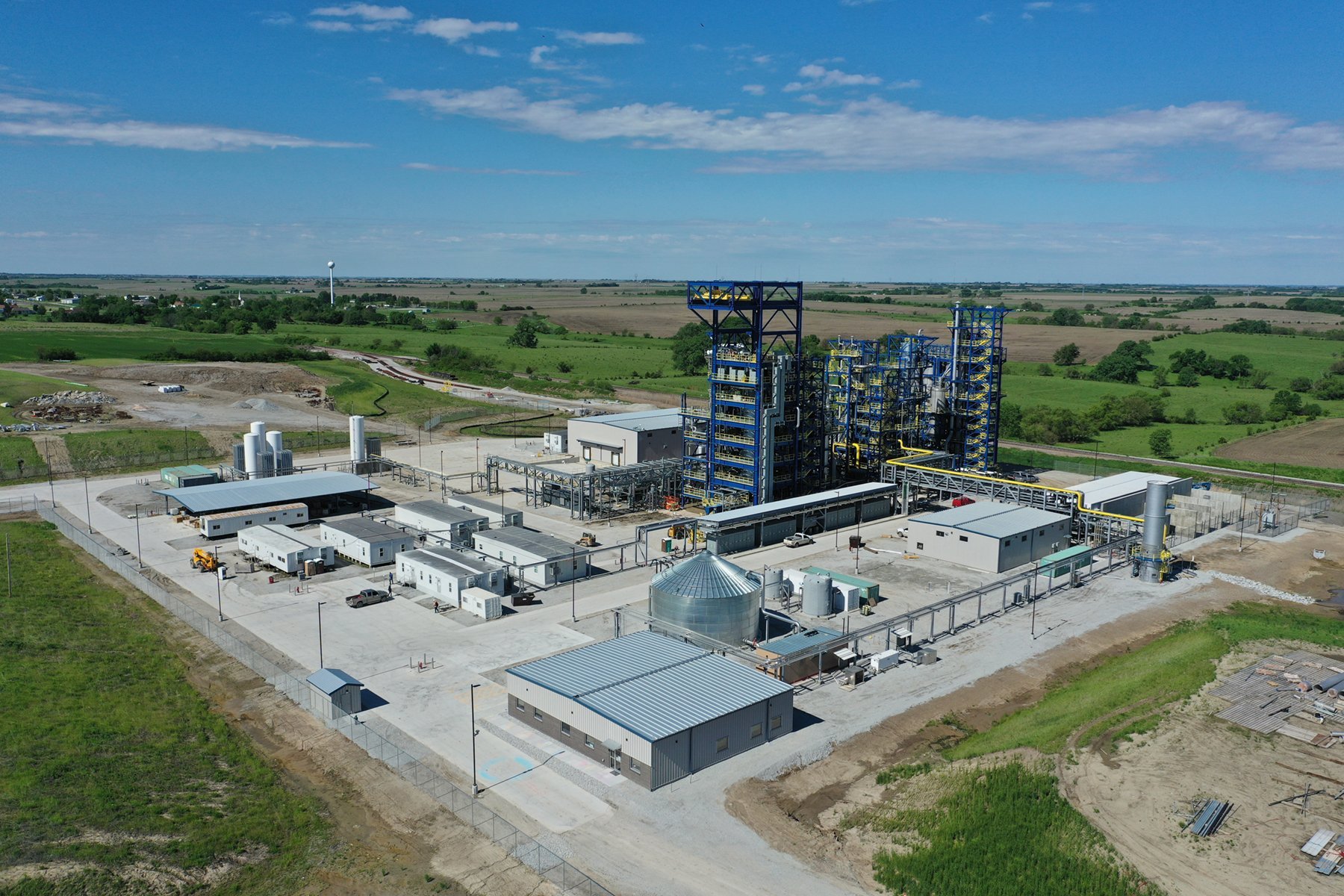
Last week, two new low-carbon ammonia production projects were announced, both of them large-scale and largely CO2-free. Monolith Materials announced a 275,000 ton per year “clean ammonia” plant in Nebraska, in the heart of the US cornbelt. The plant will begin construction in 2021, expanding the existing demonstration plant, using Monolith’s methane pyrolysis process powered by 100% renewable electricity. Ørsted and Yara announced their plan to produce 75,000 tons per year of “green ammonia” at Yara’s existing Sluiskil plant in the Netherlands. They intend to install a 100 MW electrolyzer, using Ørsted’s offshore wind energy, with a final investment decision expected in 2021-2022, and production beginning in 2024-2025.
Saudi Arabia ships low-carbon ammonia to Japan
Article

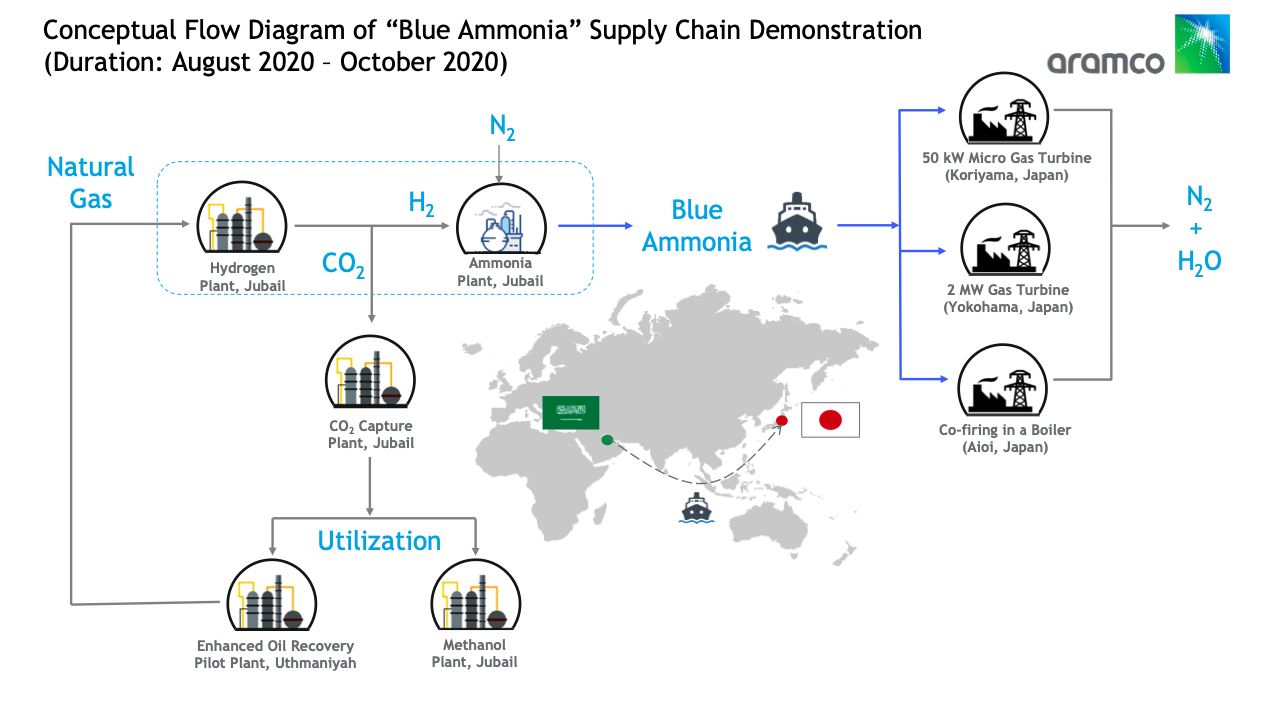
Last week, Saudi Aramco and the IEEJ attracted significant media attention when they announced that the first “blue” ammonia has been shipped to Japan. Aramco’s celebration of this shipment of 40 tons of ammonia (not 40 thousand or 40 million, just 40 tons) raises many questions, but makes three things clear. First, projects to demonstrate the carbon footprint of specific batches of low-carbon ammonia are now underway, and these case studies will inform the design of an international low-carbon ammonia certification scheme. Second, there is an urgent need to establish definitions across the industry, or risk losing credibility. Third, Aramco (absolutely the most profitable company in the world, with over a hundred oil and gas fields and almost 300 trillion scf of natural gas reserves) has sent a clear signal that it intends to make and sell ammonia as a decarbonized energy commodity.

Picking bunker winners: the mono-fuel / dual-fuel duel
Article

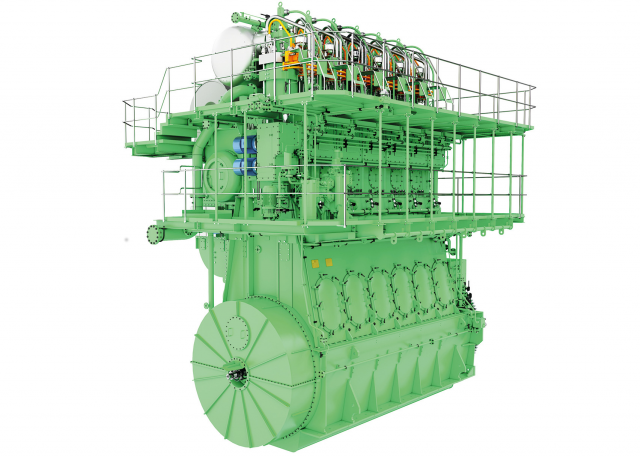
This week, DNV GL published its annual Maritime Forecast to 2050, concluding that “e-ammonia, blue ammonia and bio-methanol are the most promising carbon-neutral fuels in the long run.” DNV GL’s assumptions that determine this long run, however, suggest a significant mid-term reliance on fossil LNG. This risks locking the industry into a long-term emissions trajectory incompatible with the IMO’s 2050 GHG targets, in part because of significant fuel supply and infrastructure investments. These investments could become more ‘sticky’ than expected. A host of alternative opinions have been published in the days before and after DNV GL published its report. These suggest that, for ammonia, the long run could begin this decade. Among others, MAN ES has announced that its ammonia engine will be available for retrofits by 2025.

Japan's NYK and partners to develop ammonia fueled and fueling vessels
Article

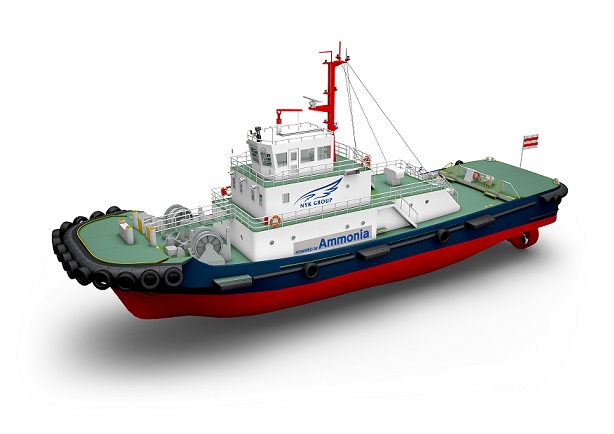
In recent weeks, the Japanese shipping company NYK Line has announced a series of high-profile research and development collaborations that aim to establish ammonia fueled vessels and fuel supply. Its partners in these projects include classification society Class NK, engine manufacturer IHI Power Systems, and shipbuilder Japan Marine United Corporation. Three vessel types have been announced, so far, including an ammonia-fueled ammonia gas carrier, an ammonia barge for offshore bunkering, and an ammonia-fueled tugboat (for navigating the barge). Pushing beyond the initial research phase, these collaborations aim for commercialization and to put these vessels “into practical use.”

Hyundai joins Fortescue and CSIRO to
Article

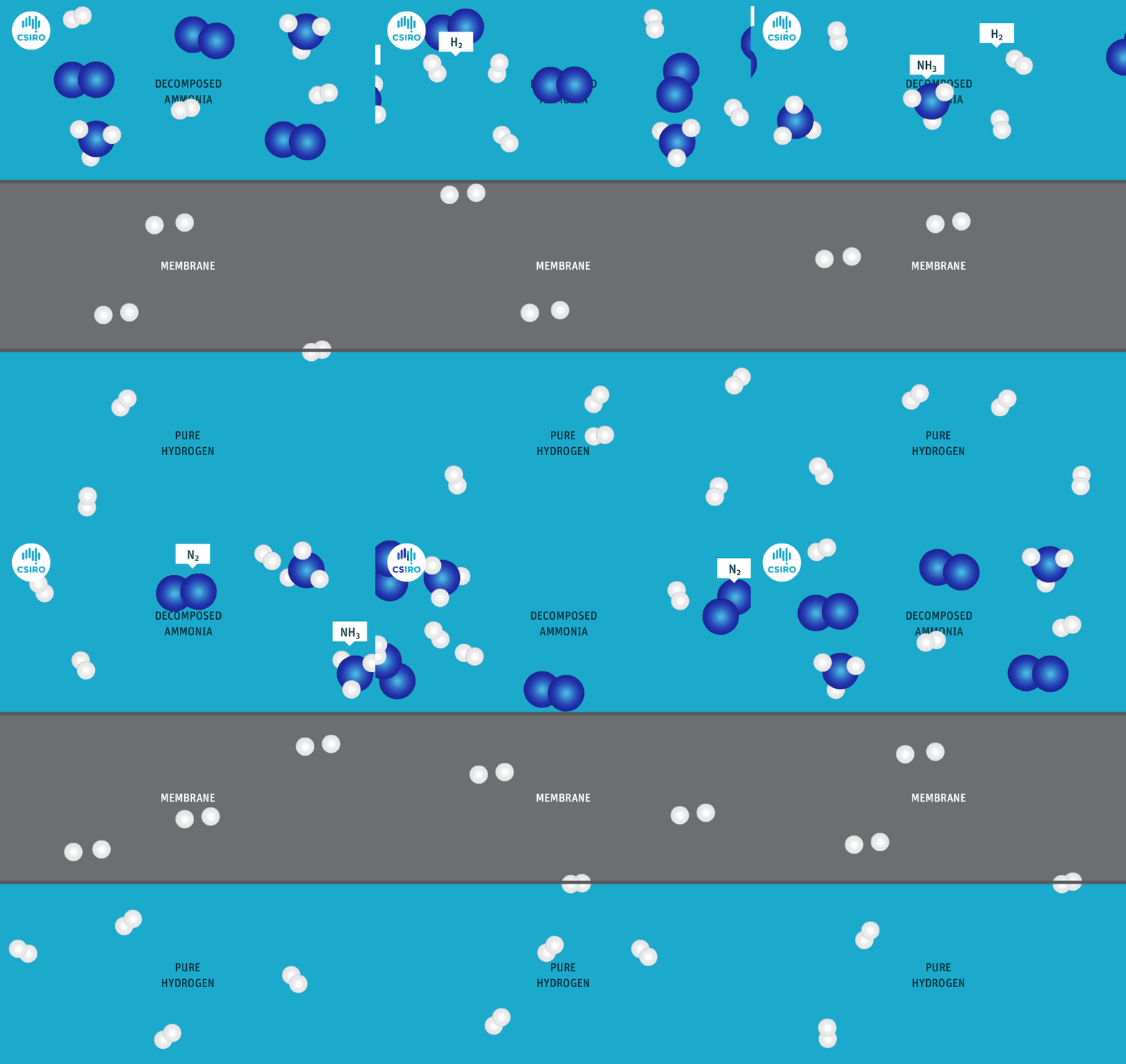
Fortescue recently announced that it has signed a memorandum of understanding (MOU) with Hyundai Motor Company and CSIRO for the “development and future commercialisation” of its metal membrane technology. This technology, which produces high-purity compressed hydrogen from liquid ammonia, was demonstrated in 2018. It enables PEM fuel cell vehicles to refuel using hydrogen that is generated on demand from ammonia. At scale, this technology could enable an ammonia-based hydrogen production, storage, and distribution infrastructure, lowering the barriers to implementation of a national network of hydrogen filling stations. Now, “Hyundai will seek to demonstrate the viability of the technology for renewable hydrogen production and vehicle fuelling in Korea.”

Zero emission aircraft: ammonia for aviation
Article

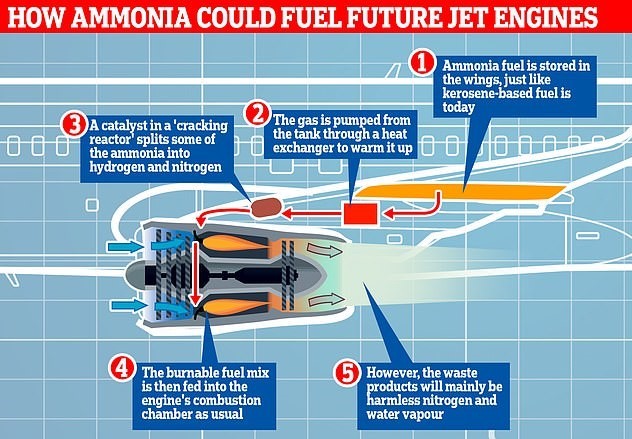
This week, Reaction Engines announced a “ground-breaking study” on ammonia as a fuel for zero-emission aircraft. This will soon be followed by a demonstration project, “integrating the technology into a ground-based test engine.” The study combines Reaction Engines’ heat exchanger technology with the ammonia cracking technology being developed by the UK’s Science and Technology Facilities Council (STFC). By partially cracking green ammonia to hydrogen, the resulting ammonia fuel mix “mimics jet fuel,” making it possible to adapt existing engines and aircraft to use zero-emission fuels. “This means a fast transition to a sustainable aviation future is possible at low cost.”

Hazard identification, feedback loops, risk tolerance
Article

There are many lessons to be drawn from the explosion in Beirut last week. Perhaps the most important is that we, as a society, always have a choice: to learn from our mistakes, or to repeat them. We can debate the root cause and find individuals and systems at fault — and we must do these things — but if we don’t make use of those learnings, and change our future behavior, we’ll have missed the point. As one commentator put it, the cause of the Beirut explosion was clear-cut: “Once again, society not learning from its own mistakes. For hundreds of years, there have been situations where too much ammonium nitrate has been kept in the same place at the same time.”

Green ammonia at oil and gas scale: the 15 GW Asian Renewable Energy Hub
Article

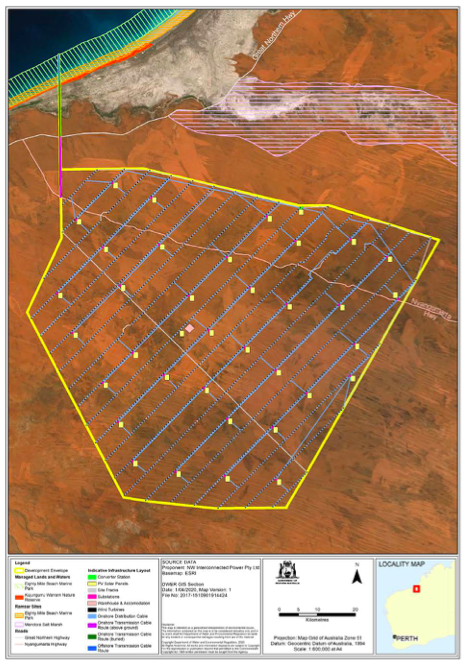
The Asian Renewable Energy Hub will be a 6,500 square kilometer wind and solar farm in Australia's Pilbara desert, producing green ammonia for export beginning in 2027/28. This was recently reported as an investment of AU$ 22 billion (US$ 16 billion). As it says on its website, this is "renewable energy at oil and gas scale." Details recently entered the public domain regarding the project's upstream segment (power generation). Now, its downstream segment (green ammonia production) is coming into focus as well. InterContinental Energy, one of the project backers, represents the Asian Renewable Energy Hub as just one project within its $100+ billion, 50 million ton per year, green ammonia and green methanol production portfolio: "the largest and most advanced portfolio of green hydrogen projects worldwide."

Solar ammonia, available in Spain from 2021
Article

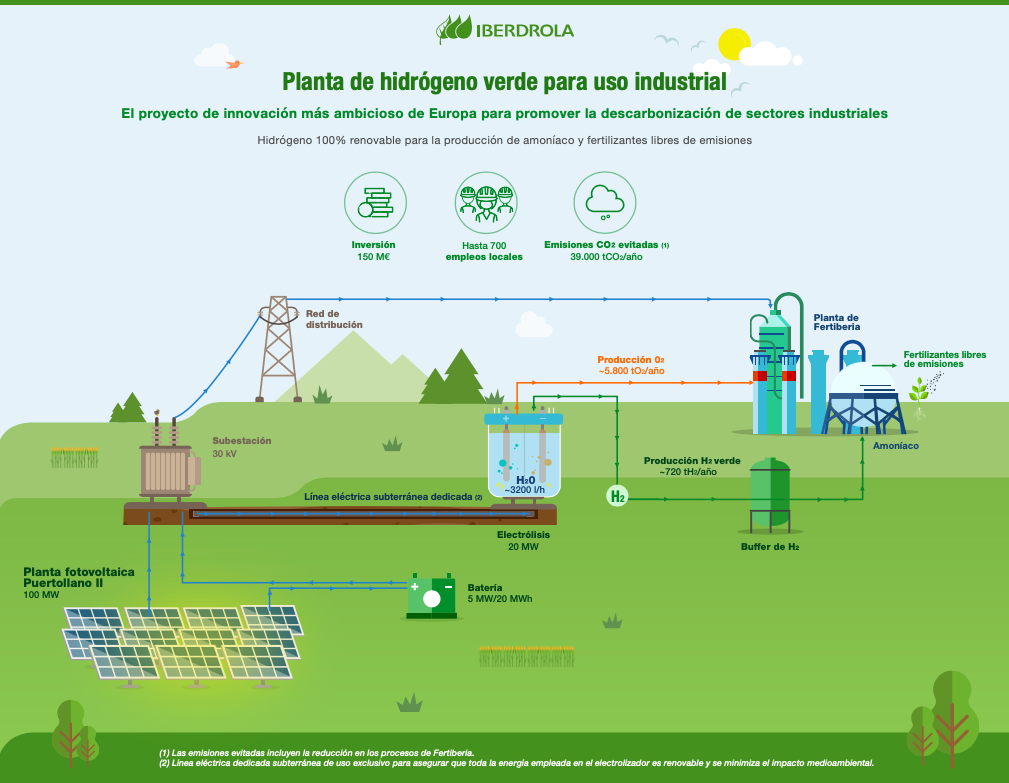
Last week, Iberdrola and Fertiberia announced plans to start producing green ammonia for “fertilizantes libres de emisiones” (emission-free fertilizers). Iberdrola will invest EUR 150 million to build the 100 MW “Puertollano II” solar field, with a 20 MW electrolyzer bank to produce renewable hydrogen. Fertiberia will “update and modify” its existing Puertollano plant to consume this green hydrogen, reducing its natural gas use by “over 10%,” and producing green ammonia beginning in 2021.

Saudi Arabia to export renewable energy using green ammonia
Article

Last week, Air Products, ACWA Power, and NEOM announced a $5 billion, 4 gigawatt green ammonia plant in Saudi Arabia, to be operational by 2025. Air Products, the exclusive off-taker, intends to distribute the green ammonia globally and crack it back to “carbon-free hydrogen” at the point of use, supplying hydrogen refueling stations. According to Air Products’ presentation on the project, “our focus is fueling hydrogen fuel cell buses and trucks.” This will be one of the first projects to be built in the industrial hub of NEOM, a futuristic “model for sustainable living.” NEOM is a key element in Vision 2030, Crown Prince Mohammed bin Salman’s plan to diversify the Saudi Arabian economy and reduce dependence on oil revenues. In other words, Saudi Arabia is establishing itself as “a global leader in green hydrogen production and green fuels.”