Site items in: Content by Author Julian Atchison

Ammonia supply chain between the Middle East & Japan takes shape
Article

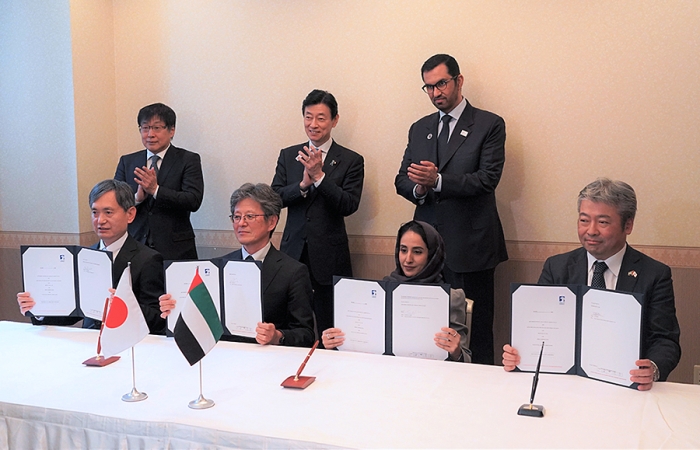
Mitsui & Co., INPEX and Japanese government agency JOGMEC will partner with ADNOC to verify the emissions intensity of ammonia produced at a new project in al-Ruwais, UAE. The final methodology is likely to reflect the definition of clean ammonia currently being developed in Japan. Shipments of CCU-based ammonia have arrived in Japan & India in recent weeks from SABIC in Saudi Arabia, further highlighting the potential of Middle East supply chains.
Key shipping stakeholders see a multi-fuel future: new survey results
Article

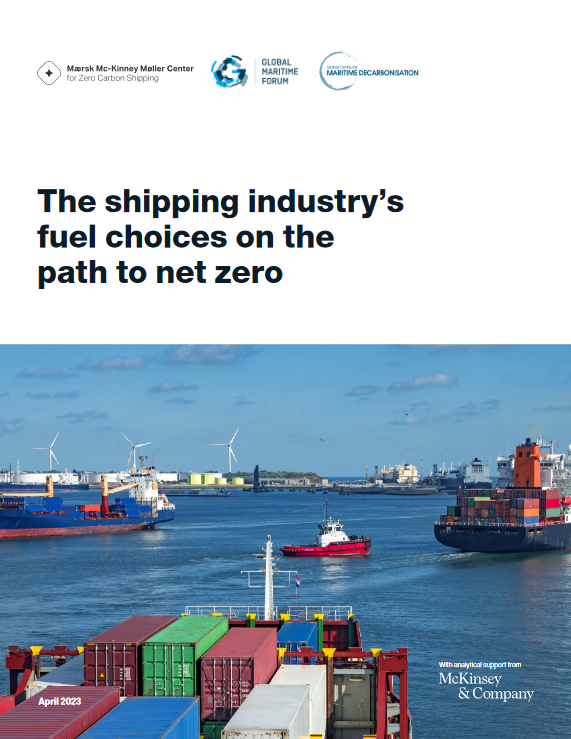
A recent survey reveals how shipping industry leaders see the maritime fuel transition progressing. With conventional ship engines set to remain the preferred technology until at least 2050, almost all the survey respondents saw their fleets running on a mix of fuels by that date. Although methanol & ammonia are likely to be adopted at scale, respondents do not currently see any of the new fuels emerging as an industry standard, with key choices ahead for shipping companies, fuel producers, bunker providers and industry regulators.

New electrolysis-based ammonia projects in China
Article

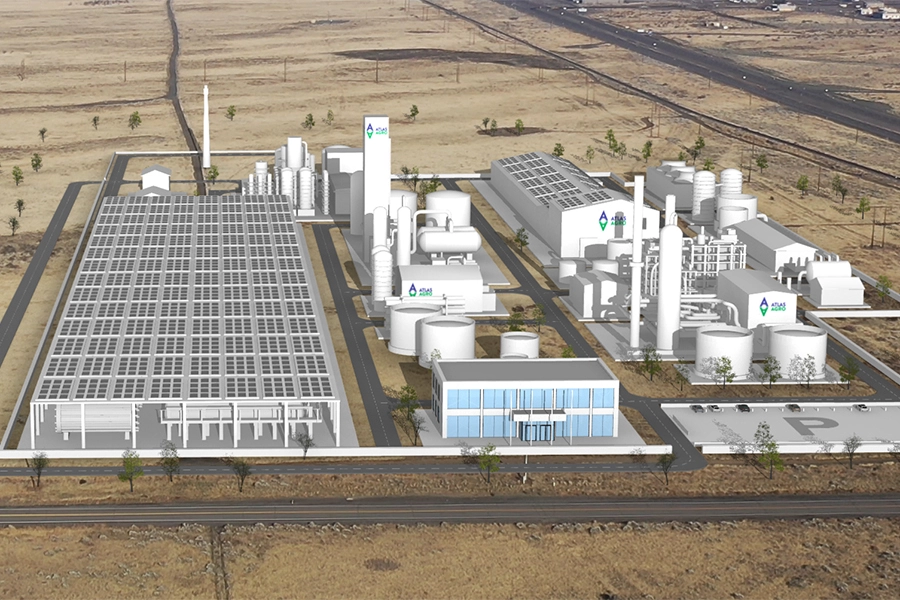
Jilin Electric Power Company has selected LONGi Hydrogen and SANY Hydrogen as electrolyser technology providers for a 180,000 tonnes per year renewable ammonia project in Da’an, northeast China. A growing list of renewable ammonia projects is being developed in the country, with many focused on decarbonised production of chemicals.

Maritime developments: on-water cracking, AiPs and Singapore bunker study releases first results
Article

In maritime ammonia updates this week:

  • In Europe, government funding will support the development of an ammonia cracking system that can be installed on existing LNG vessels (Norway), and the establishment of a floating production and storage facility connected to an offshore wind farm (Netherlands).
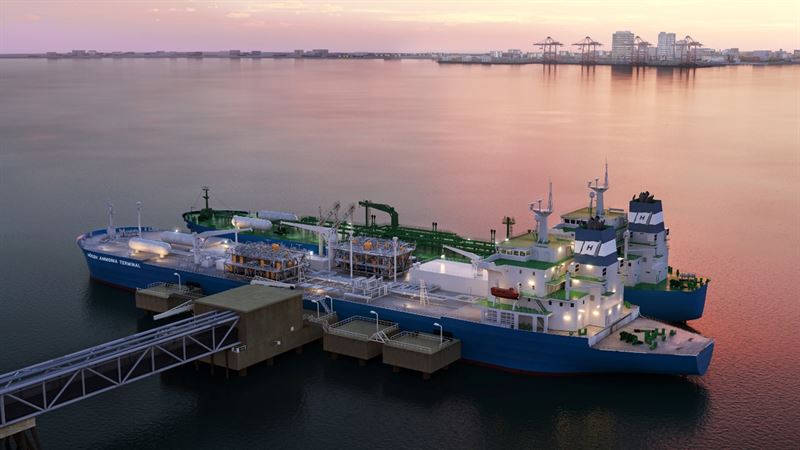
  • Two AiPs have been granted: one for Korea’s first ammonia FSRU vessel, the other for a bunkering tanker in Singapore.
  • H2Carrier and Trelleborg will develop a ship-to-ship ammonia transfer system.
  • And GCMD has unveiled the results of their Singaporean ammonia bunker study. All risks identified for conducting pilot projects were found to be low or mitigable, with work towards those pilots to continue.

The state-of-play for decarbonising ammonia in Australia: new government report
Article

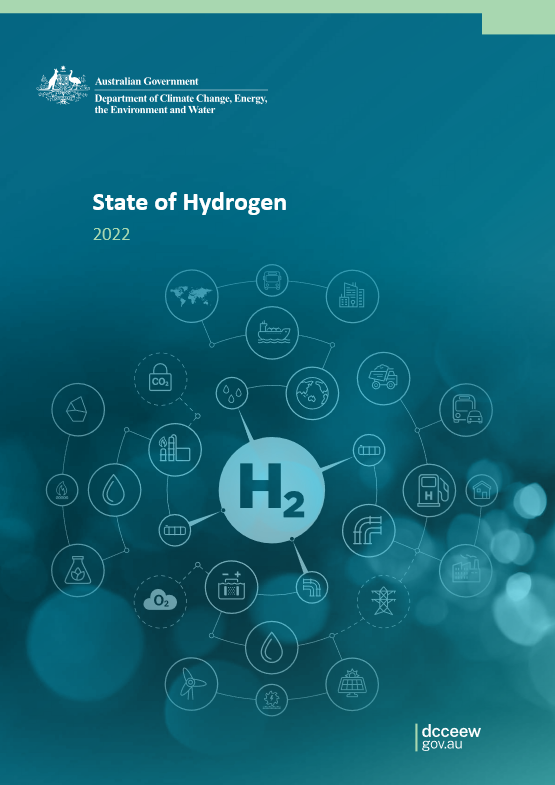
While the opportunity for Australia to become a world-leading exporter of green molecules is well-established, State of Hydrogen 2022 suggests the best progress to date has been made on a domestic opportunity: decarbonisation of existing ammonia production within Australia. Government support for emerging hydrogen hubs, workforce training and regulatory updates are highlighted as key next steps.

Electrolysis-based projects progress in USA & Canada
Article

KBR has been selected as technology provider for two future production projects in Texas and Washington state. At the Port of Galveston, Texas Green Fuels has begun pre-FEED work and sourcing renewable electricity for its fuels export complex. And in Nova Scotia, Bear Head Energy has received environmental approval to proceed with its 2 million tonnes per year production project near Point Tupper.

Ammonia bunkering at the Port of Savannah
Article

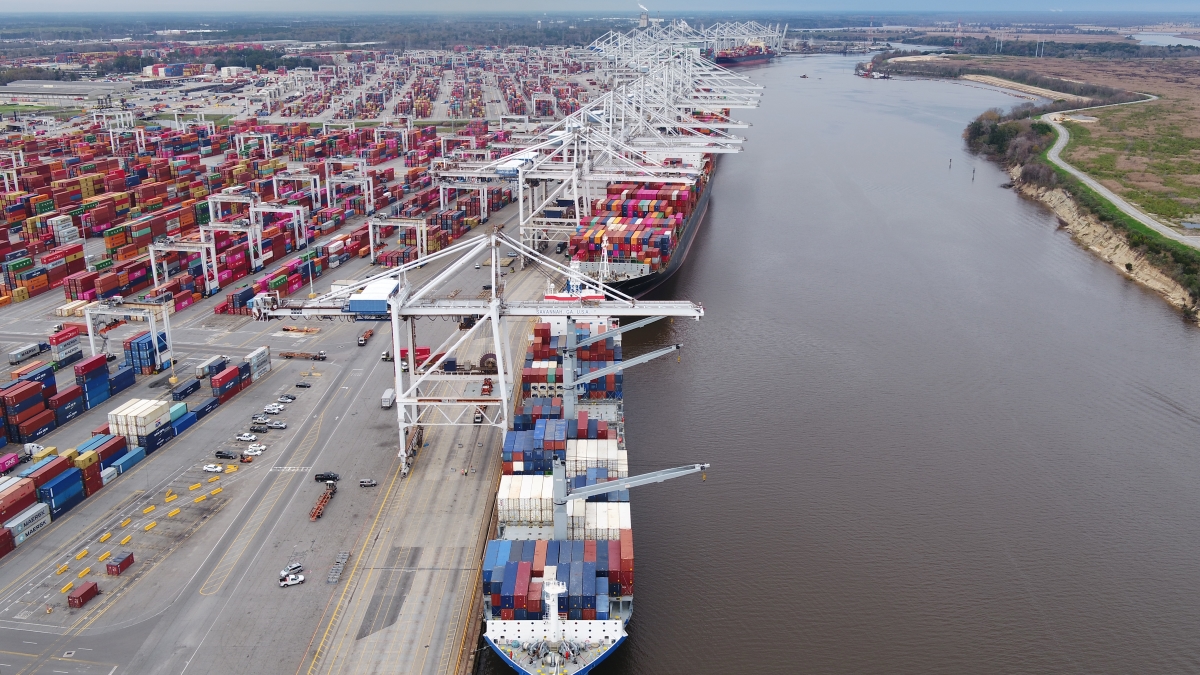
A high-profile consortium will conduct a joint study exploring ammonia bunkering at the Port of Savannah in Georgia, USA. The consortium aims to establish a comprehensive supply chain to allow ship-to-ship ammonia bunkering in Savannah, and the study scope includes design of an Ammonia Bunkering Articulated Tug-Barge (AB-ATB) vessel.

Clean ammonia production in West Virginia
Article

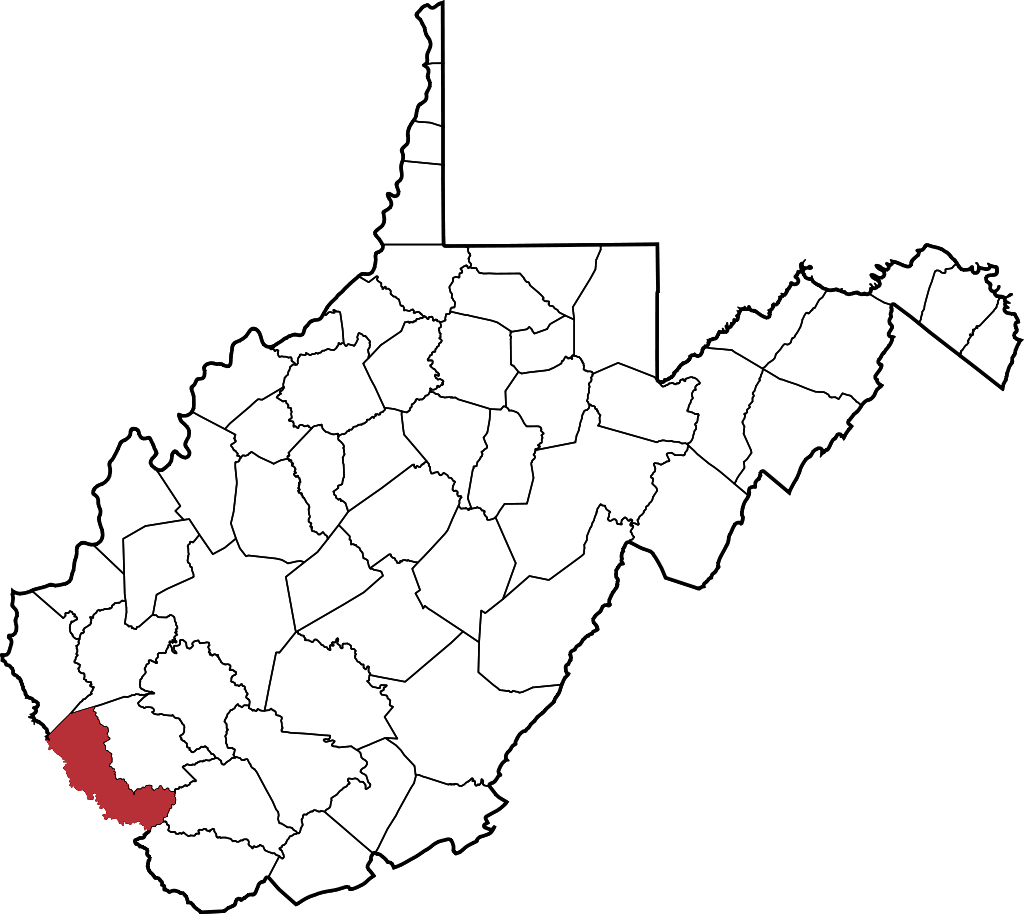
The Adams Fork Energy clean ammonia project will produce up to 2.16 million tonnes per year of ammonia, based on gas feedstock and CCS. The project will serve as the anchor for the Appalachian Regional Clean Hydrogen Hub, one of a number of applications being considered by the US Department of Energy for funding as part of a $7 billion jump-start program.

New R&D: ammonia as a green steel enabler
Article

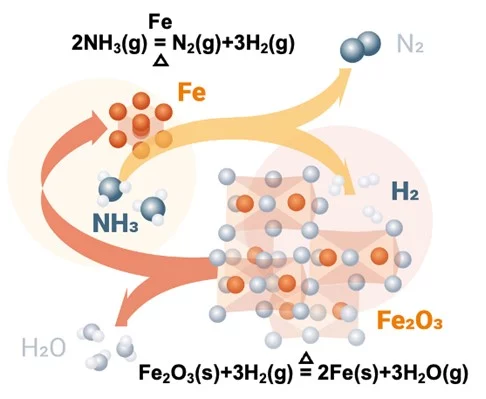
Researchers at the Max Planck Institute report that ammonia was successfully used as a reductant to convert iron ore to sponge iron in a laboratory-scale reactor. The direct use of ammonia effectively offers a “process shortcut” in green steelmaking, removing the need for ammonia cracking or the extra costs associated with the transport & storage of hydrogen.