Article
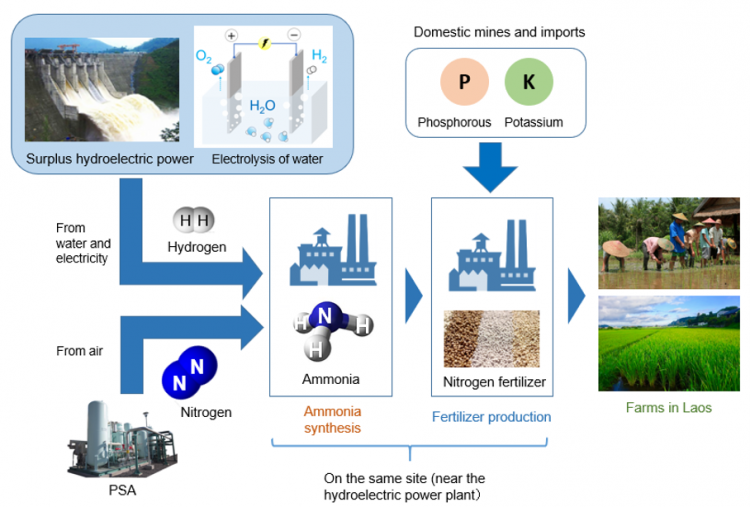
Tsubame BHB: renewable ammonia and low carbon fertiliser in Laos
Tsubame BHB will partner with Agri Laos and State Enterprise for Agriculture Service to produce low-carbon fertiliser for domestic use, and potentially exports.
Tsubame BHB will partner with Agri Laos and State Enterprise for Agriculture Service to produce low-carbon fertiliser for domestic use, and potentially exports.
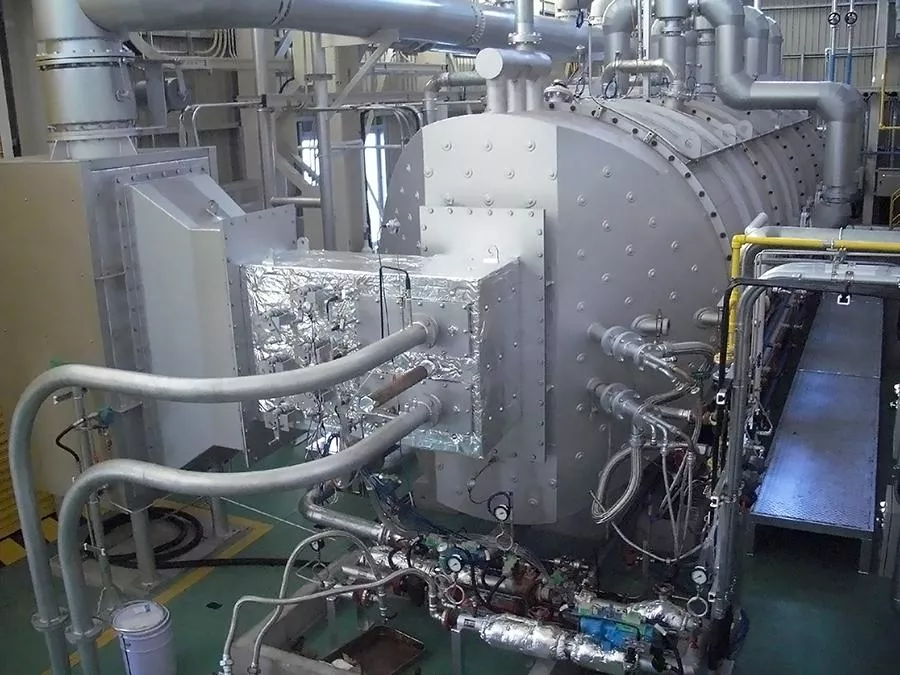
MHI has successfully combustion-tested its ammonia single-fuel burners. The tests confirmed that the burners are capable of complete and stable combustion, producing reduced NOx emissions relative to coal firing. The test will now be run at a larger scale to simulate actual operations.
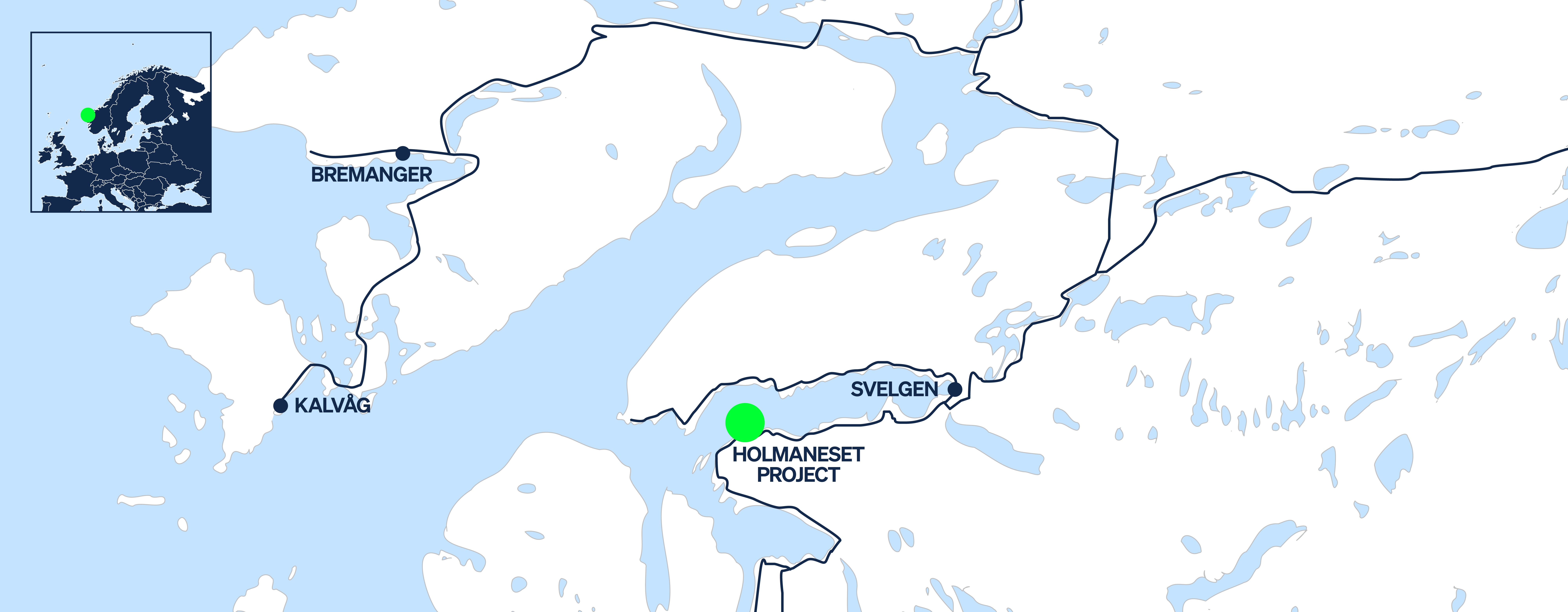
Fortescue is developing a 225,000 tonnes per year renewable ammonia project in western Norway. The Holmaneset Project has received over €200 million grant from the EU’s Innovation Fund. Fortescue also secured 300 MW renewable power supply from Statkraft.
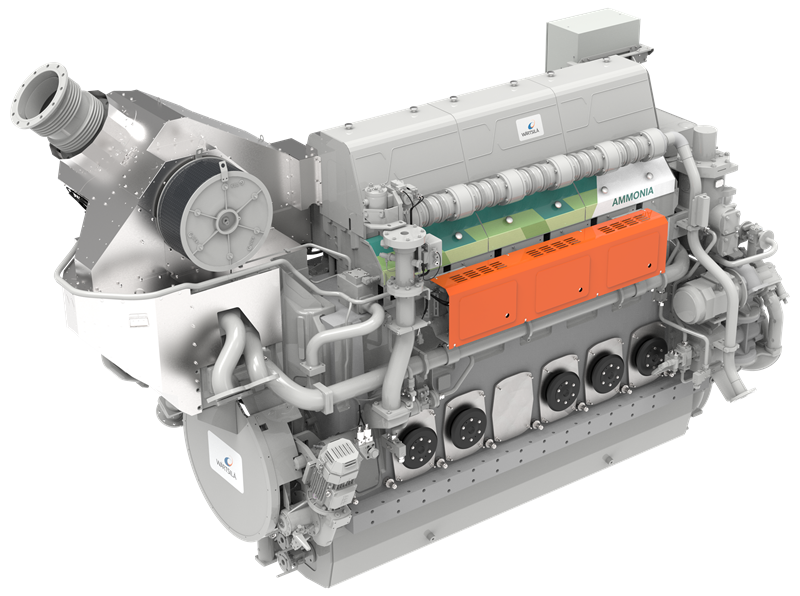
Wärtsilä’s 4-stroke ammonia engine is now commercially available. Meanwhile, WinGD and CMB.TECH’s plan for newbuild vessels based on WinGD’s 72-bore ammonia engine design has been underwritten in partnership with China State Shipbuilding Corporation.
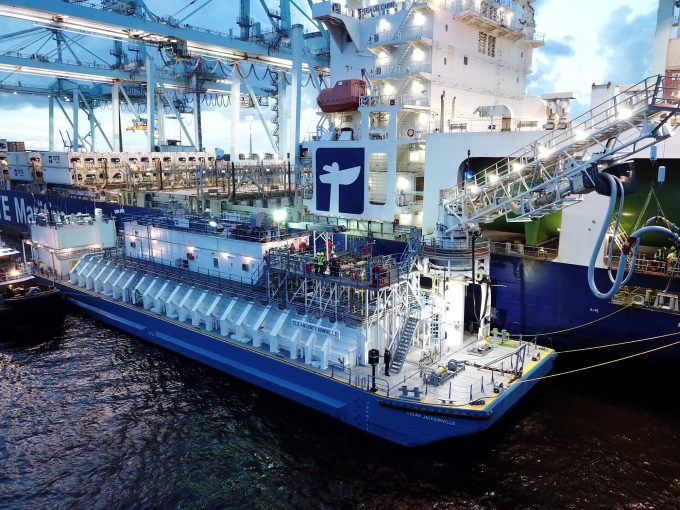
Sumitomo will supply clean ammonia fuel for Hoegh Autoliners’ future fleet of ammonia-fueled PCTC vessels at the ports of Jacksonville and Singapore from 2027. Also on the Atlantic US coast, Sumitomo is part of a consortium conducting a feasibility study on ship-to-ship ammonia bunkering at the Port of Savannah.
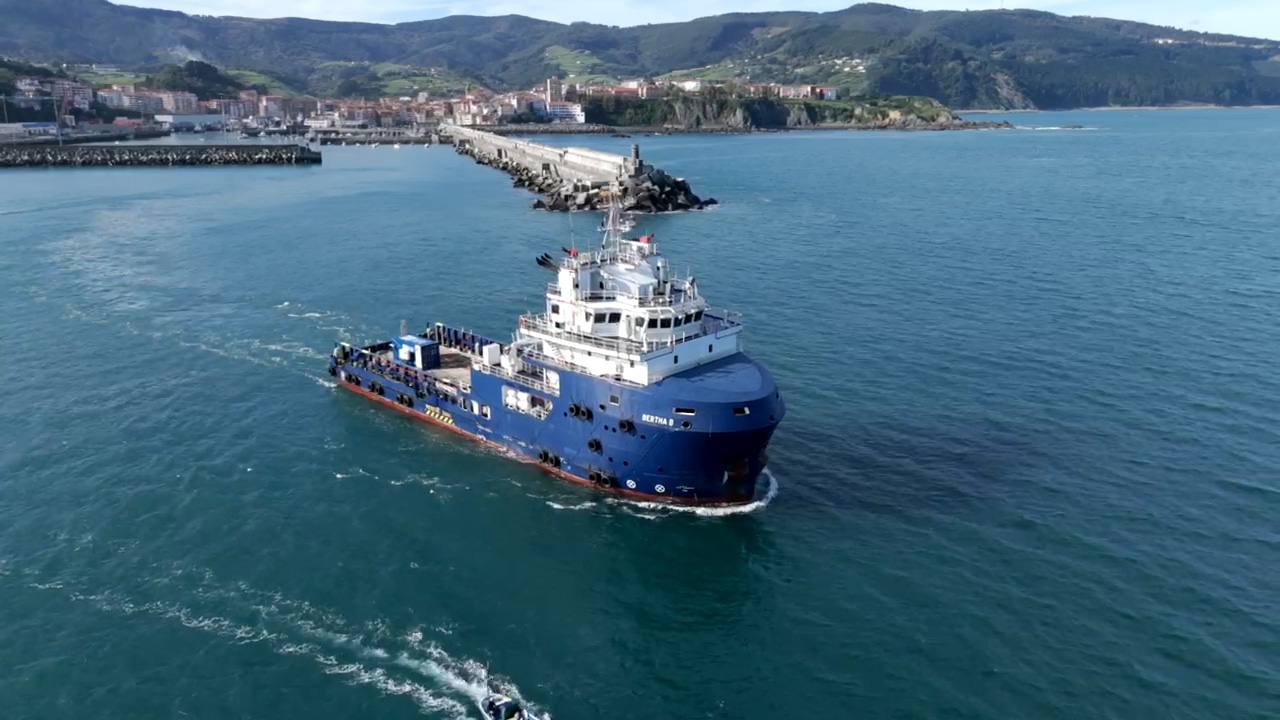
H2SITE successfully used its membrane-based ammonia cracking technology coupled with a PEM fuel cell to power auxiliary services onboard the BERTHA B as it sailed along the Gulf of Biscay. In the UK, AFC Energy will continue validation of a 140 kg-per-day demonstration plant, featuring its modular ammonia cracker technology.
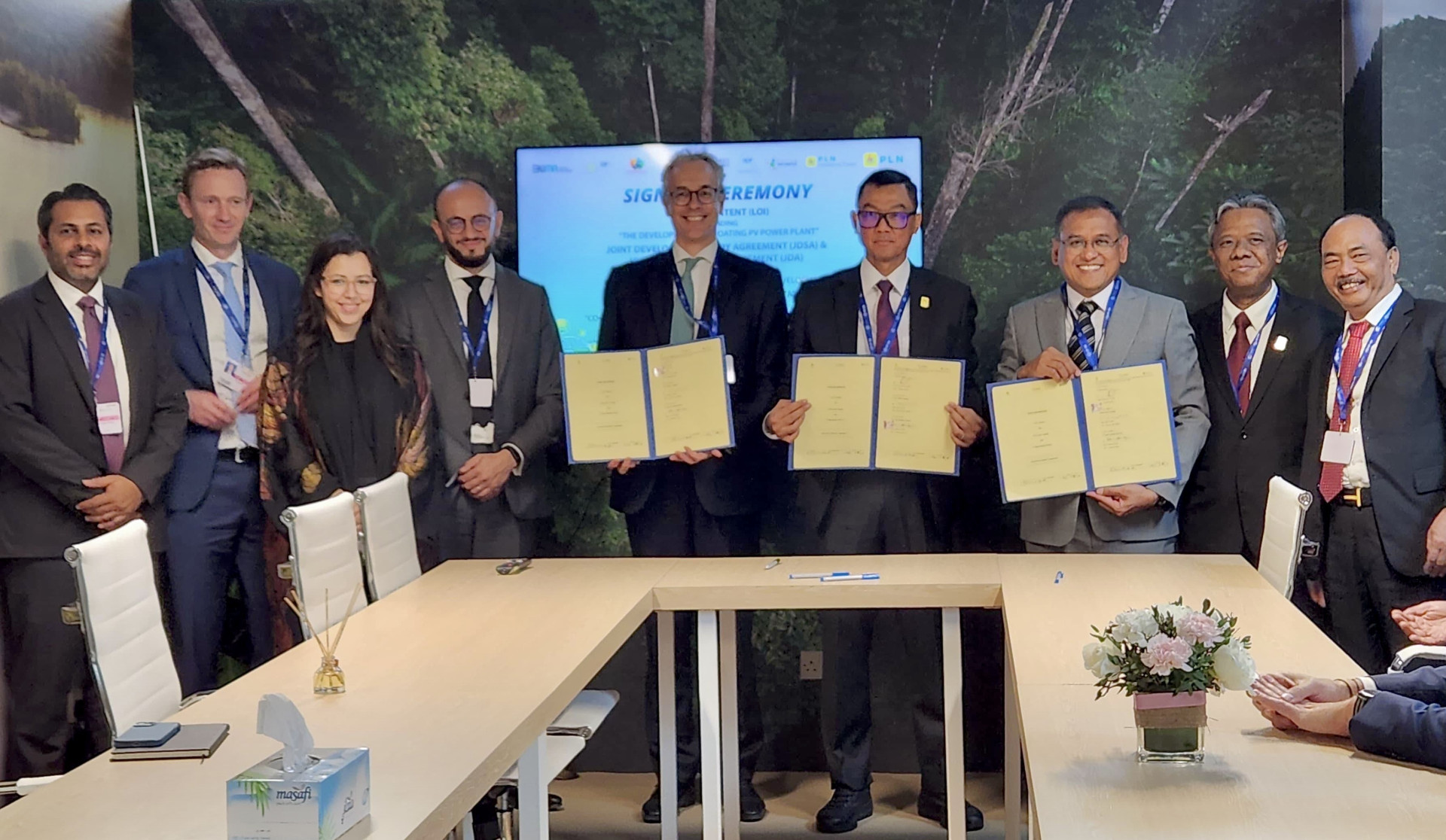
ACWA Power will develop a 150,000 tonnes-per-year renewable ammonia project in Indonesia, powered by 600 MW of wind and solar energy. The Saudi-based company also commenced construction on the first phase of its 500,000 tonnes-per-year renewable ammonia project in Uzbekistan, and has progressed development of a renewable mega-project near the Suez Canal.
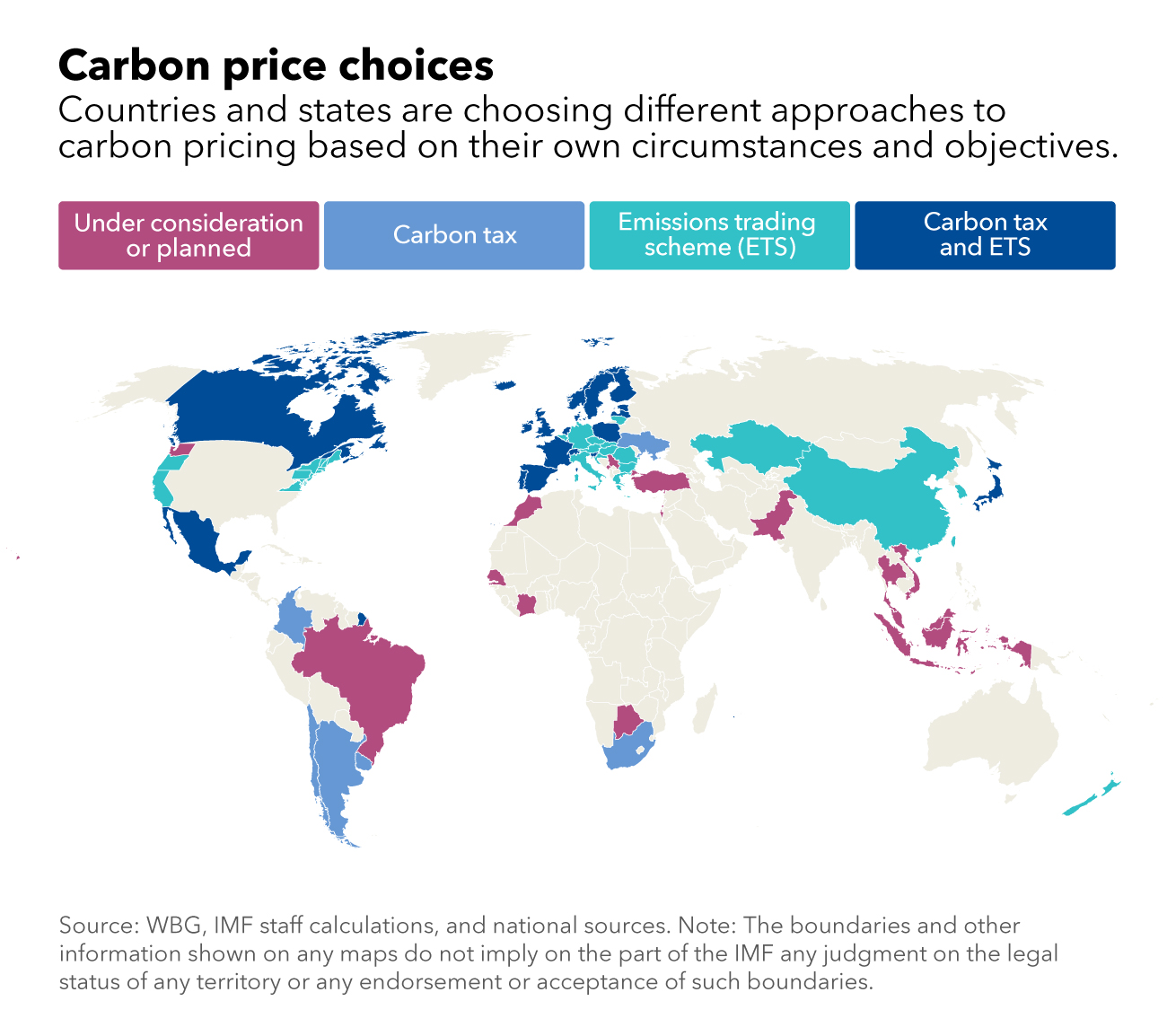
In this session at our 2023 annual conference, panelists explored the challenges and opportunities for designing certification schemes for different markets. Moderated by Madhav Acharya, the discussion featured Emily Wolf from Ambient Fuel, Claire Behar from Hy Stor Energy, Domagoj Baresic from the UCL Energy Institute and Patrick Hastwell from KBR.
Compliance with EU standards offers flexibility for producers and will facilitate the immediate scale-up of export markets, but progress towards an umbrella-style certification scheme remains in focus for the AEA. Broad-based certification schemes will help create new voluntary demand markets and avoid a sector-by-sector approach to developing certification.
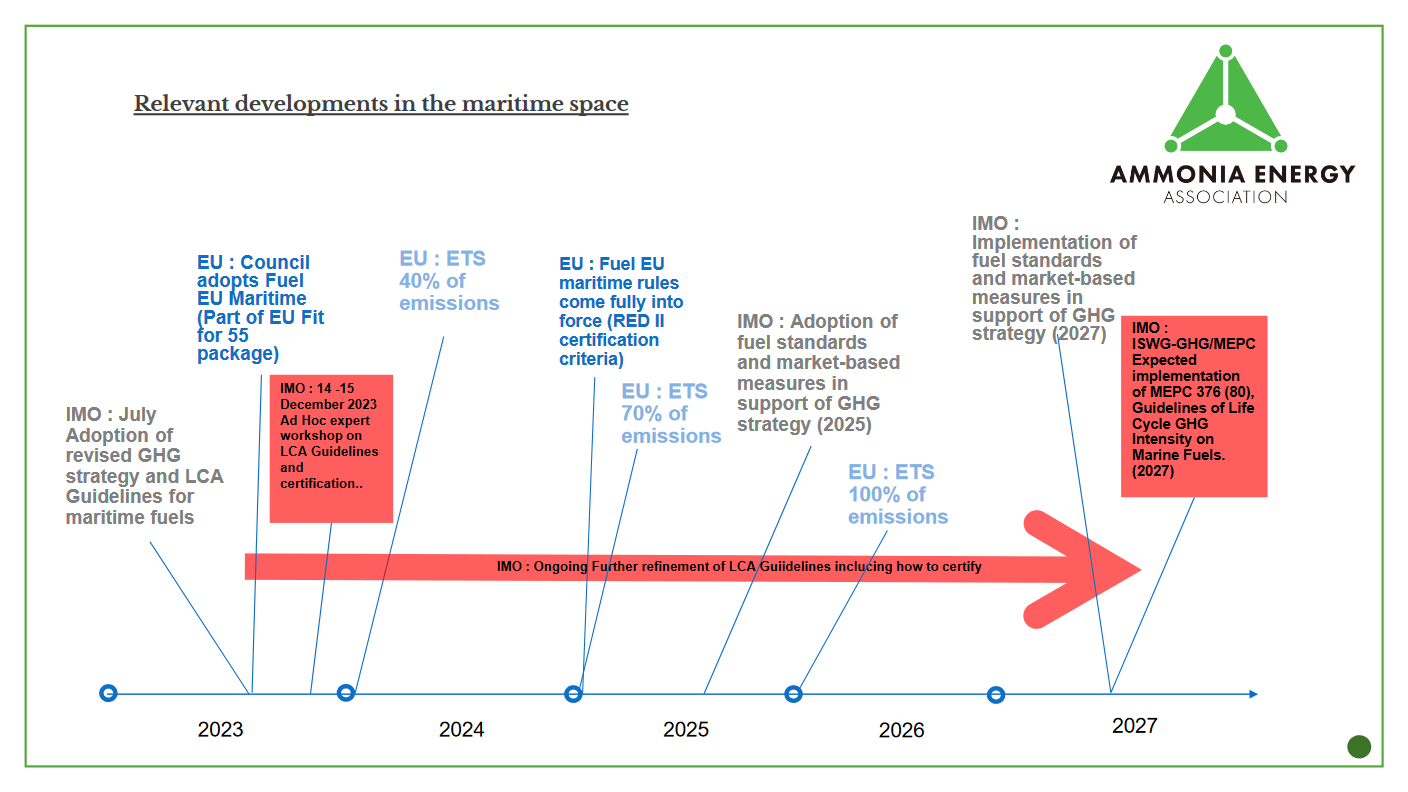
In this session at our 2023 annual conference, panelists discussed how ammonia certification methods should be data-centric, and focus less on colour labels. The panel featured Alicia Eastman (InterContinental Energy), Shigeru Muraki (Clean Fuel Ammonia Association), Wouter Vanhoudt (Hinicio), Linda Dempsey (CF Industries) and Conor Fürstenberg Stott (Fürstenberg Maritime Advisory).
Certification based on actual GHG emissions intensity is the principle on which the AEA’s certification system is being built, and the issue is becoming an increasingly important subject at international fora such as the IMO, the G7 and the G20.
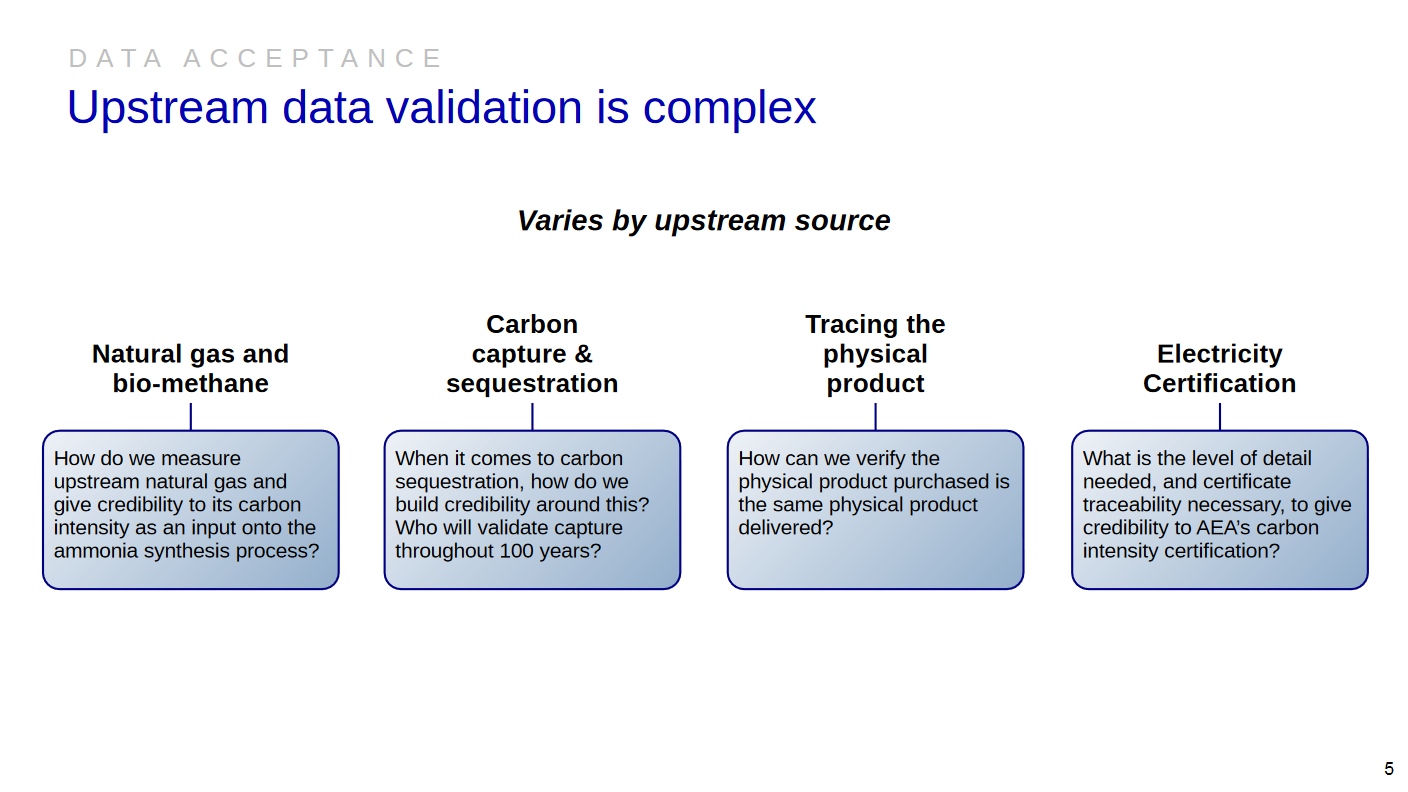
This session of our 2023 annual conference explored the need for high quality data as an input to ammonia certification. The panel featured Jennifer Beach (Starfire Energy), Lara Owens (MiQ), Jim Seely (Authentix), Selim Sevikel (Global CCS Institute), and Rajiv Sabharwal (Bureau Veritas).
This issue is a key focus for the AEA, as our under-development ammonia certification system will require auditable data from a host of stakeholders – including gas and electricity suppliers, CO2 offtakers, and others – in order to calculate a true and trustworthy carbon footprint.