Article
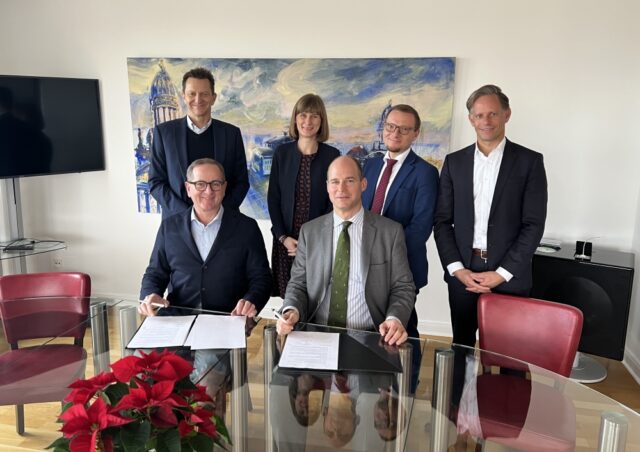
Aker, VNG sign term sheet for renewable ammonia from Norway
VNG will purchase up to 150,000 tons per year of renewable ammonia from 2029, supplying it directly to its German customers or cracking it on arrival and supplying hydrogen.
VNG will purchase up to 150,000 tons per year of renewable ammonia from 2029, supplying it directly to its German customers or cracking it on arrival and supplying hydrogen.

The IMO’s Maritime Safety Committee has approved interim guidelines for the use of ammonia fuel onboard vessels. Ship owners will also be able to voluntarily adopt code changes allowing the use of ammonia cargo as fuel, ahead of their entry into force next July. To unpack the new guidelines, the AEA will host the IMO and Lloyd’s Register at a public webinar in January.
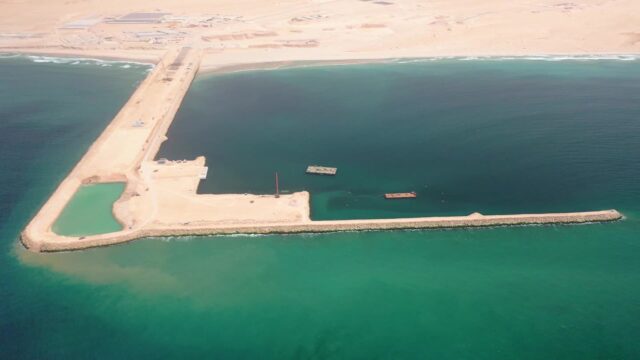
UAE-Moroccan developer Dahamco is planning a $25 billion, multi-million ton per year renewable ammonia project at the Port of Dhakla on Morocco’s Atlantic coast. The first phase will feature an investment of $4 billion and produce nearly one million tons of ammonia per year.
Qatar Energy has laid the foundation stone of its new 1.2 million tons per year ammonia project in Mesaieed Industrial City, south of the capital Doha on the Persian Gulf coast.
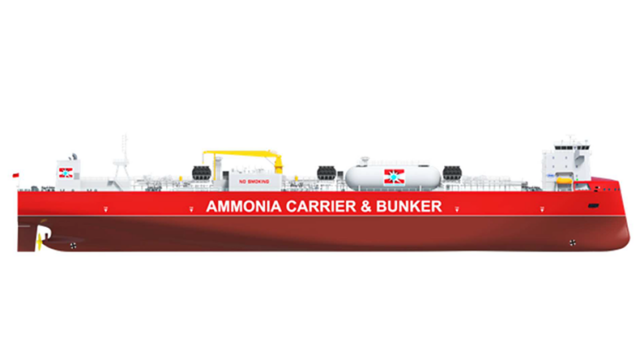
Copenhagen Infrastructure Partners has signed MoUs with two shipping companies to develop vessels that will feature a dual-fuel ammonia engine and full ammonia bunkering capabilities. The new vessels will help CIP transport and distribute ammonia from its planned production projects.
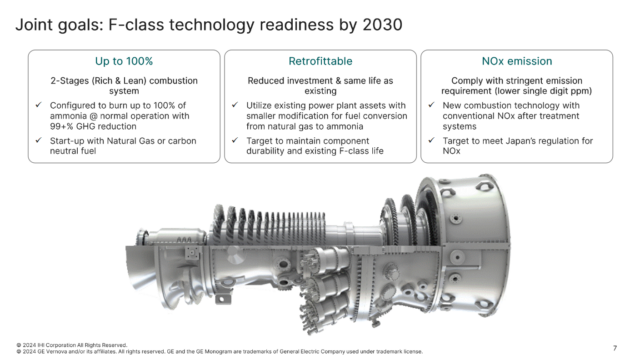
During the recent AEA Annual Conference 2024, the status of ammonia as fuel for gas turbines was discussed, featuring a panel of global OEMs and gas turbine experts. We explore the technology developments to date, different fuel strategies for ammonia, demonstration projects planned, and the pathway forward for deployment.
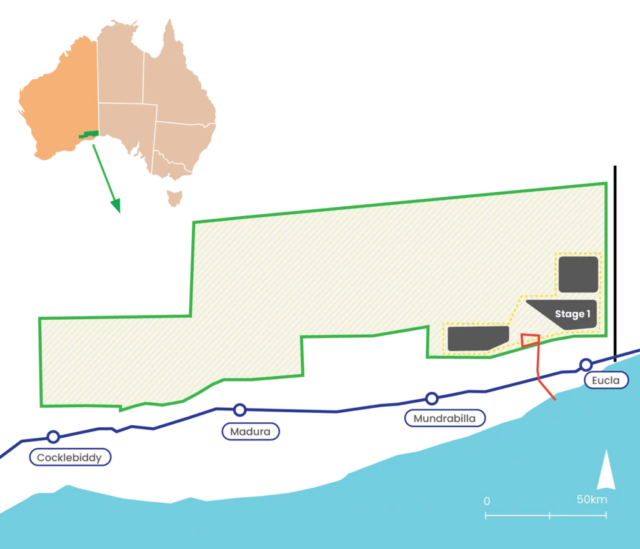
The Western Green Energy Hub will proceed to the official environmental approvals stage after receiving the green light from state authorities. FID for the first stage of the project is due in 2029.
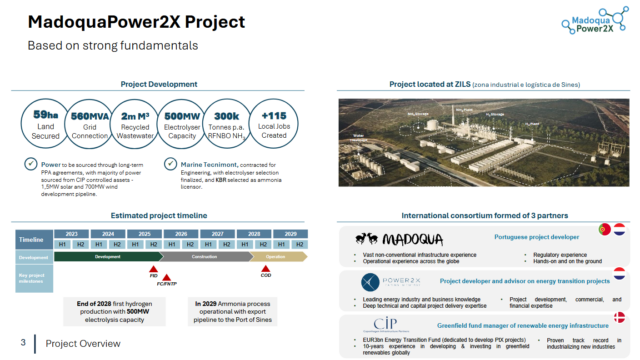
In our November episode of Project Features, we explored the MadoquaPower2X renewable ammonia project in Sines, southern Portugal. 300,000 tons per year of RFNBO-compliant ammonia will be produced for export to Rotterdam and Duisburg from 2028, focused on marine fuel and fertilizer markets in Europe.
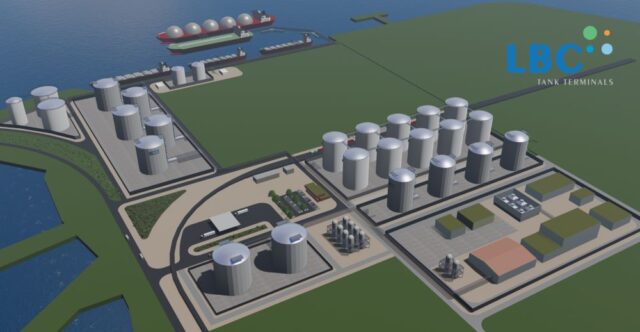
LBC Tank Terminals has completed a 100% share acquisition of Evolution Terminals, including plans to develop a new renewable commodities import terminal in Vlissingen, Netherlands. The new terminal features an initial phase of 150,000m3, and is expected to be operational at the end of 2028.
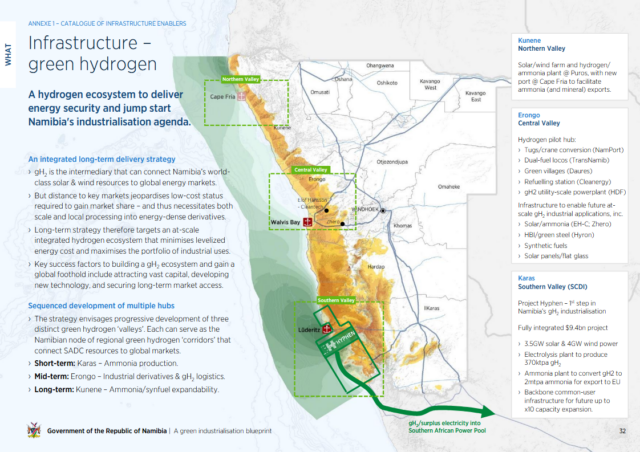
We explore Namibia’s vision of a sprawling hydrogen ecosystem. The country plans to leverage its competitive wind and solar energy potential and strategic coastal location to produce electrolytic hydrogen and ammonia for the global market. We also highlight some of the key projects and partnerships already underway, and some key bottlenecks that must be overcome.